For years, tech enthusiasts, photographers, and loyalists of the Sony brand have whispered the same question: “What happened to the once-mighty Sony in the smartphone wars?” From the days when the Walkman redefined music to the PlayStation rewriting gaming, Sony had always been synonymous with innovation. But in the fast-moving world of smartphones, the Japanese giant had seemed to fade into the shadows, overshadowed by Apple’s iPhone and Samsung’s Galaxy Ultra.
Yet, in 2025, the whispers turned into a roar. Sony’s newest flagship smartphone is not just a device—it is a resurrection. And in a twist that has shocked the industry, fans and critics alike are calling this comeback a haunting echo of the company’s past: the ghost of the Sony Ericsson Satio, the 2009 photography-focused device that promised to change everything… but failed spectacularly.
Now, Sony is being praised for delivering the unthinkable: a smartphone that dares to take on Samsung’s $1,300 Ultra series head-to-head.
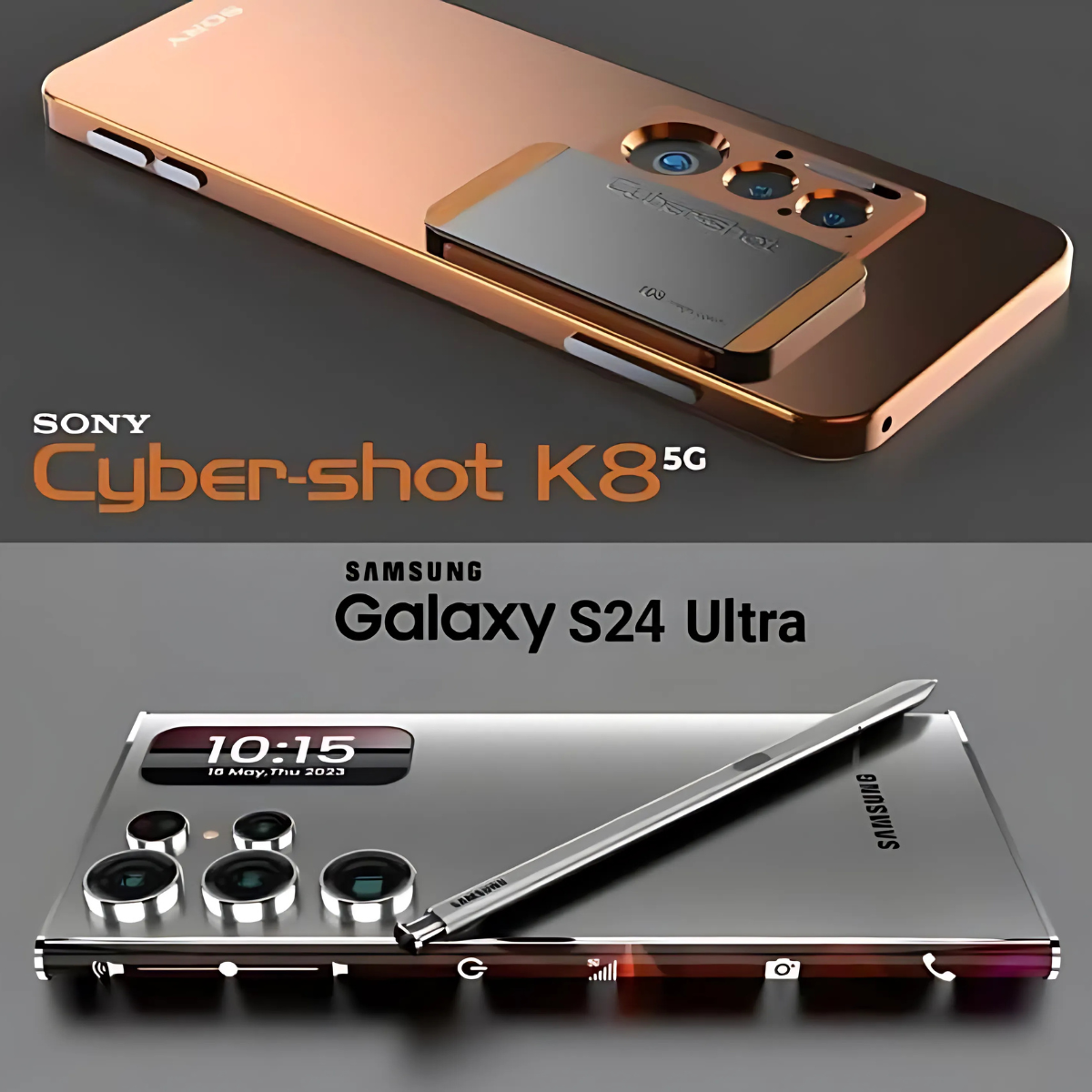
The Satio’s Ghost
To understand the magnitude of Sony’s return, we must first revisit the painful chapter of the Satio. In 2009, when smartphones were still in their adolescence, Sony Ericsson unveiled the Satio U1i—a device marketed as a true digital camera in your pocket. It had a 12.1-megapixel sensor, xenon flash, Carl Zeiss optics, and promised users a professional photography experience in a handheld device.
The hype was enormous. Tech magazines hailed it as “the iPhone killer.” Photographers drooled over the specs. Sony Ericsson promised a future where phones could replace compact cameras.
Best smartphone
But then—the crash came.
The Satio was plagued with software instability, a clunky Symbian operating system, and a poor app ecosystem. Despite its camera brilliance, the overall user experience was clumsy. In just a year, the Satio had gone from dream device to industry cautionary tale. It became a ghost of missed potential, a symbol of Sony’s failure to adapt.
For over a decade, Samsung’s Galaxy series and Apple’s iPhone devoured the market. Sony limped on with its Xperia line, but never again commanded the spotlight. The “Satio ghost” became shorthand for squandered opportunity.
The Samsung Ultra Empire
By the early 2020s, Samsung’s Galaxy Ultra series had become the crown jewel of Android. With its $1,300 price tag, massive displays, and cameras capable of shooting the moon, it represented everything Sony once aspired to dominate.
The Galaxy Ultra wasn’t just a phone—it was a statement of power, wealth, and cutting-edge technology. Samsung had mastered marketing, positioning its Ultra line as the go-to for content creators, professionals, and those who wanted the best.
Sony’s Xperia Pro models, while technically impressive, remained niche—beloved by cinematographers, but never mainstream. The ghost of the Satio still loomed: great cameras, but clunky adoption.
It seemed impossible that Sony could ever mount a serious challenge to Samsung’s empire.
The Spark of Resurrection
And then, almost quietly, it happened. In 2025, Sony unveiled its new flagship smartphone—codenamed Project Rebirth during development, but marketed under the bold name:
Sony Vision One.
From the first teaser, it was clear this was no ordinary Xperia refresh. Instead of a niche professional tool, Sony promised a device that blended luxury design, cinematic photography, gaming power, and AI intelligence into one seamless package.
And the key? Sony admitted its mistakes. Instead of ignoring the ghost of the Satio, the company leaned into it. The Vision One was marketed as “the device the Satio should have been.”
The world listened.
