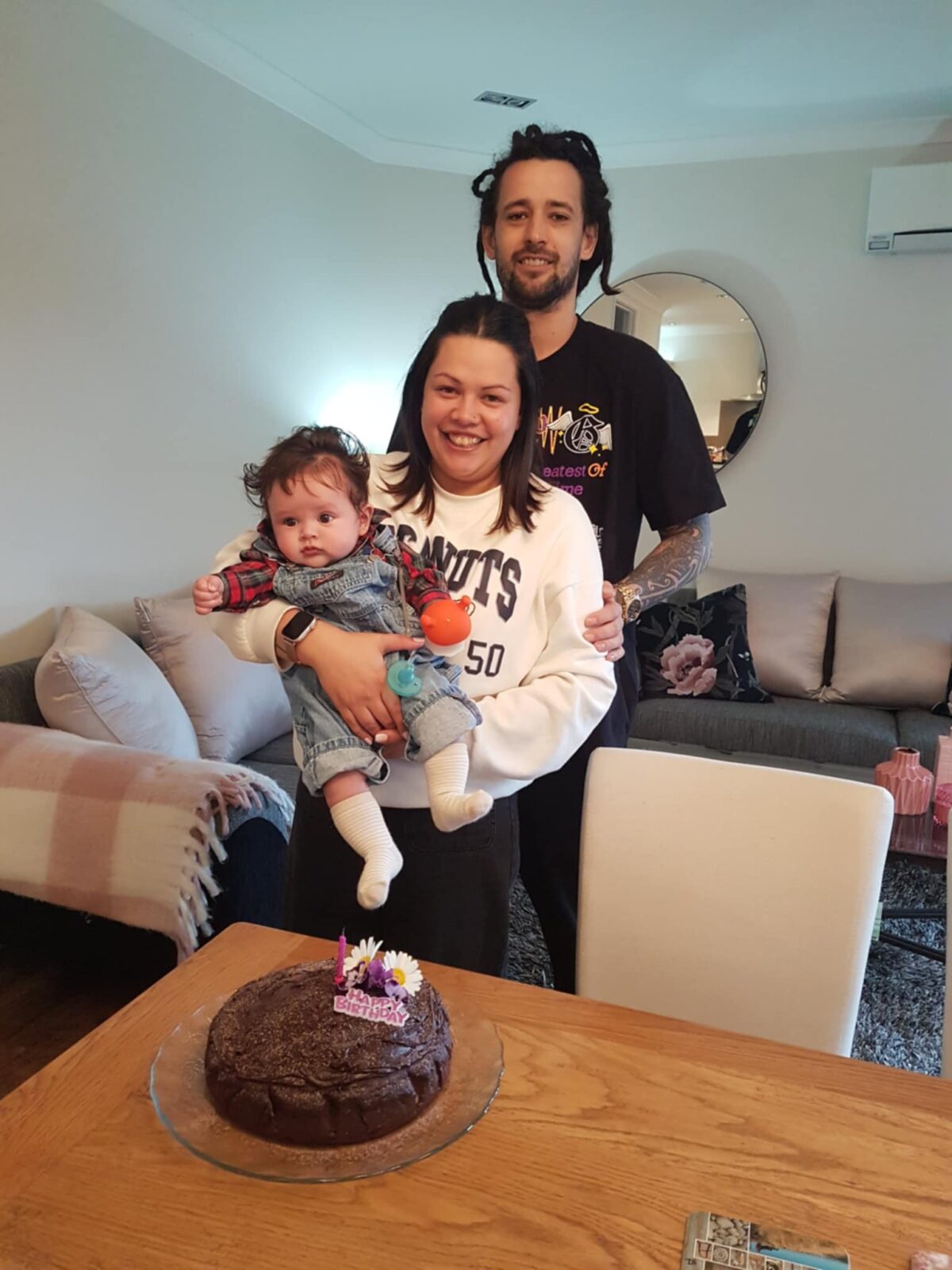
In September 2024, we received news we never expected but had quietly prayed for — we were pregnant with our rainbow baby. After loss, hope feels fragile. We had been preparing to begin IVF testing, planning to move forward in the New Year, when life surprised us in the most beautiful way. This baby came not from planning, but from grace, and from the very beginning, we knew he was special.
Pregnancy, however, was not without its challenges. I was admitted to the hospital multiple times with gallstones, each stay bringing pain, fear, and uncertainty. After many conversations with my midwife and obstetrician, we made the careful decision to
induce labor at 39 weeks and 1 day, believing it was the safest choice for both me and our baby. We felt prepared. We felt reassured. Nothing suggested what was about to happen.
On Saturday, May 31, 2025, our beautiful son Malachi made his grand entrance, weighing 2.82 kilograms. In what should have been the most joyful moment of our lives, the room fell silent. Malachi was
not breathing. There had been no warning signs during induction or labor — no distress, no alarms, no indication that something was wrong. The shock was immediate and overwhelming.
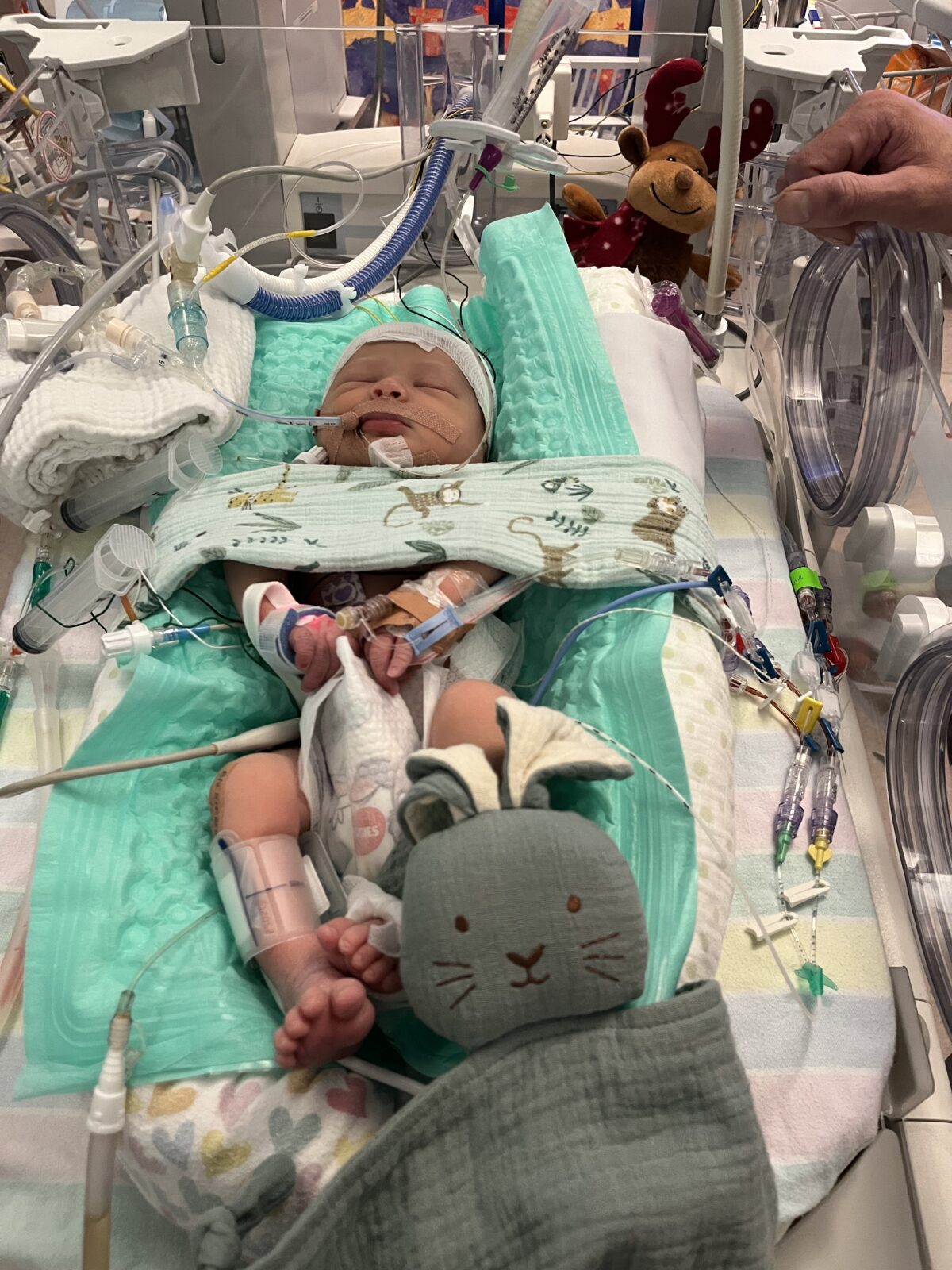
Our baby was rushed to SCBU, while we waited for the Life Flight helicopter that would transport him to Wellington NICU. He needed to be placed on a
cooling mat, a critical treatment used after oxygen deprivation to help preserve brain function. He also required a chest drain after developing a pneumothorax, a collapsed lung. In an instant, our world shifted from celebration to survival.
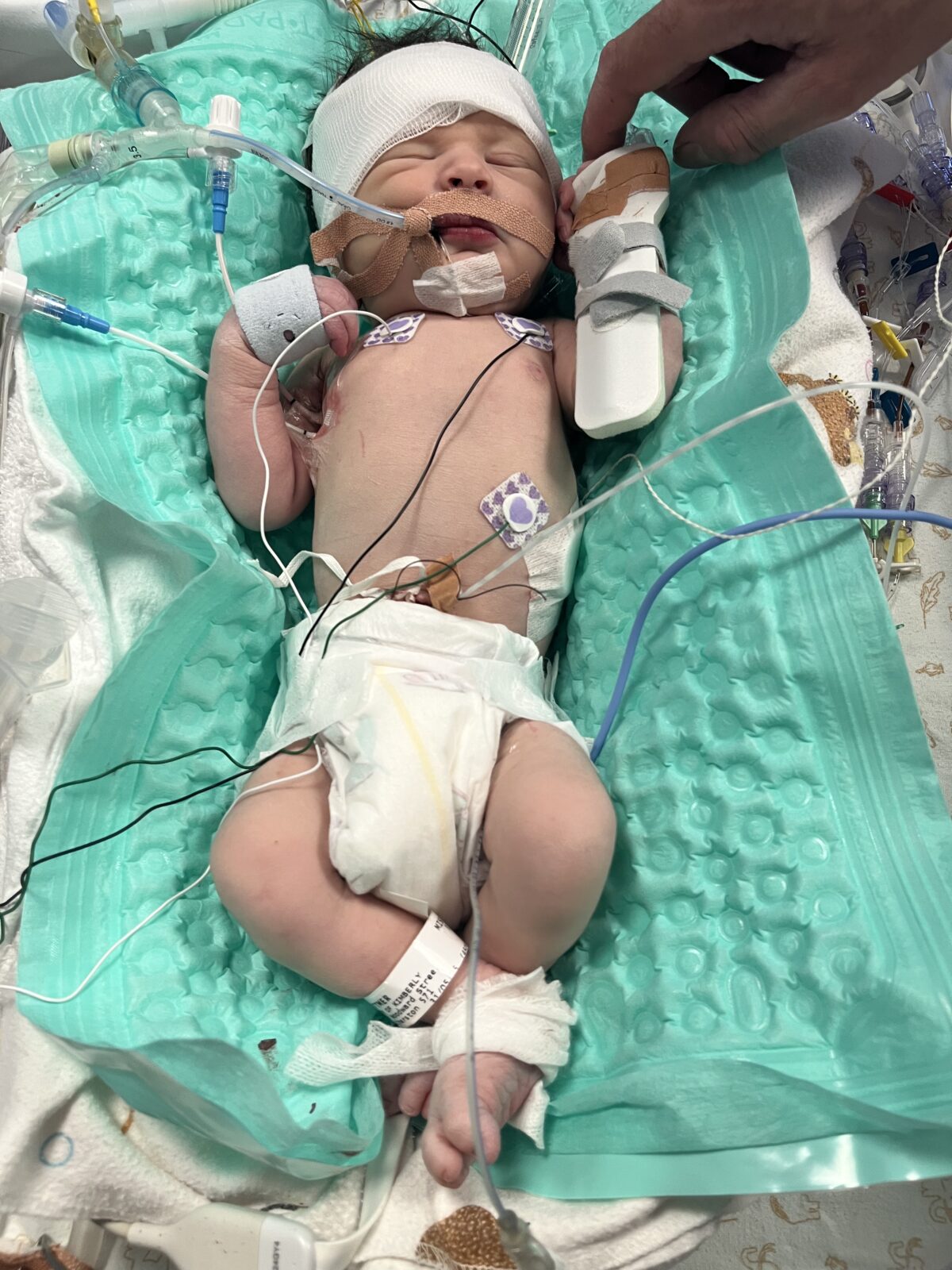
The cooling process lasted 72 hours, during which Malachi’s body temperature was carefully lowered and then slowly brought back to normal. Each hour felt endless. The following day brought another terrifying setback —
two seizures. Doctors acted quickly, placing a second chest drain to help his struggling lungs. We lived moment to moment, holding onto hope while bracing for answers we were terrified to hear.
An MRI was needed to assess whether Malachi had suffered brain damage from the lack of oxygen at birth. When the results came back, our hearts sank. There was a
change in the motor-function area on the left side of his brain. Doctors couldn’t say exactly what it meant — only that Malachi was now considered low risk for a mild form of cerebral palsy. The uncertainty was crushing. We were grateful it wasn’t worse, yet terrified of what the future might hold.
After what felt like an eternity, 15 long days, we were finally discharged and allowed to bring our baby home. But even then, the journey was not over. We had to wait until Malachi was
three months old for full neurodevelopmental assessments. Those weeks were filled with watching every movement, every stretch, every sound, wondering what it all meant.
When the results came back, we could hardly believe it —
no signs of cerebral palsy. Relief washed over us in waves. Follow-up plans were put in place: another assessment at six months, monthly neurodevelopmental visits until his first birthday, and a follow-up MRI at 18 months. The road ahead would still involve monitoring, but for the first time, we could breathe.
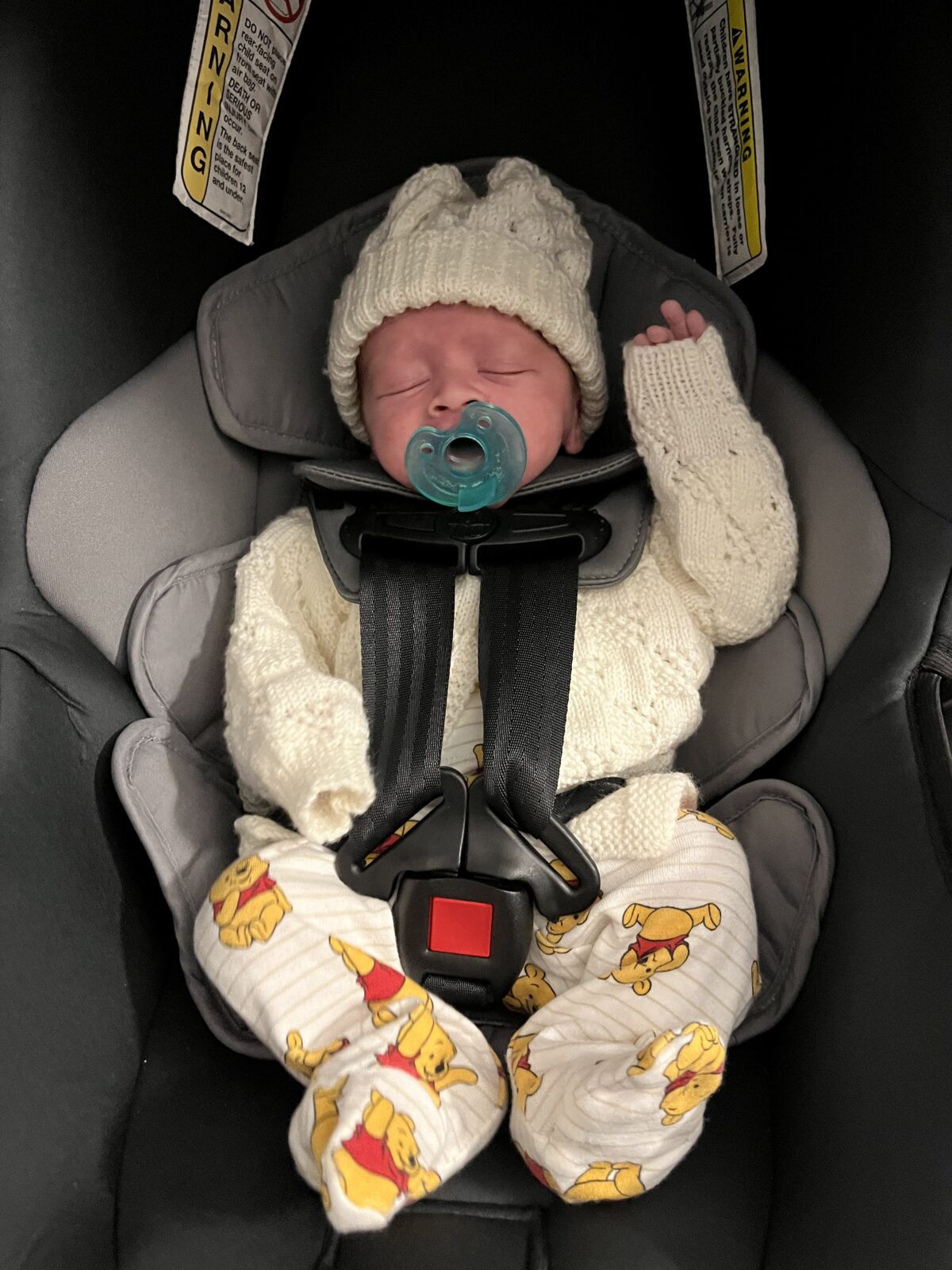
Now, at five and a half months old, you would never know what Malachi endured in his first days of life. He is the happiest little man, full of smiles and light, hitting every milestone right on time. He laughs, he grows, he thrives. Every moment with him feels like a miracle we do not take for granted.
We are forever grateful for the incredible support we received during our darkest days — from the NICU staff, the Ronald McDonald House, and The Little Miracles Trust
. They carried us through a situation no parent ever imagines finding themselves in, offering not just medical care, but compassion, guidance, and strength when we had none left.
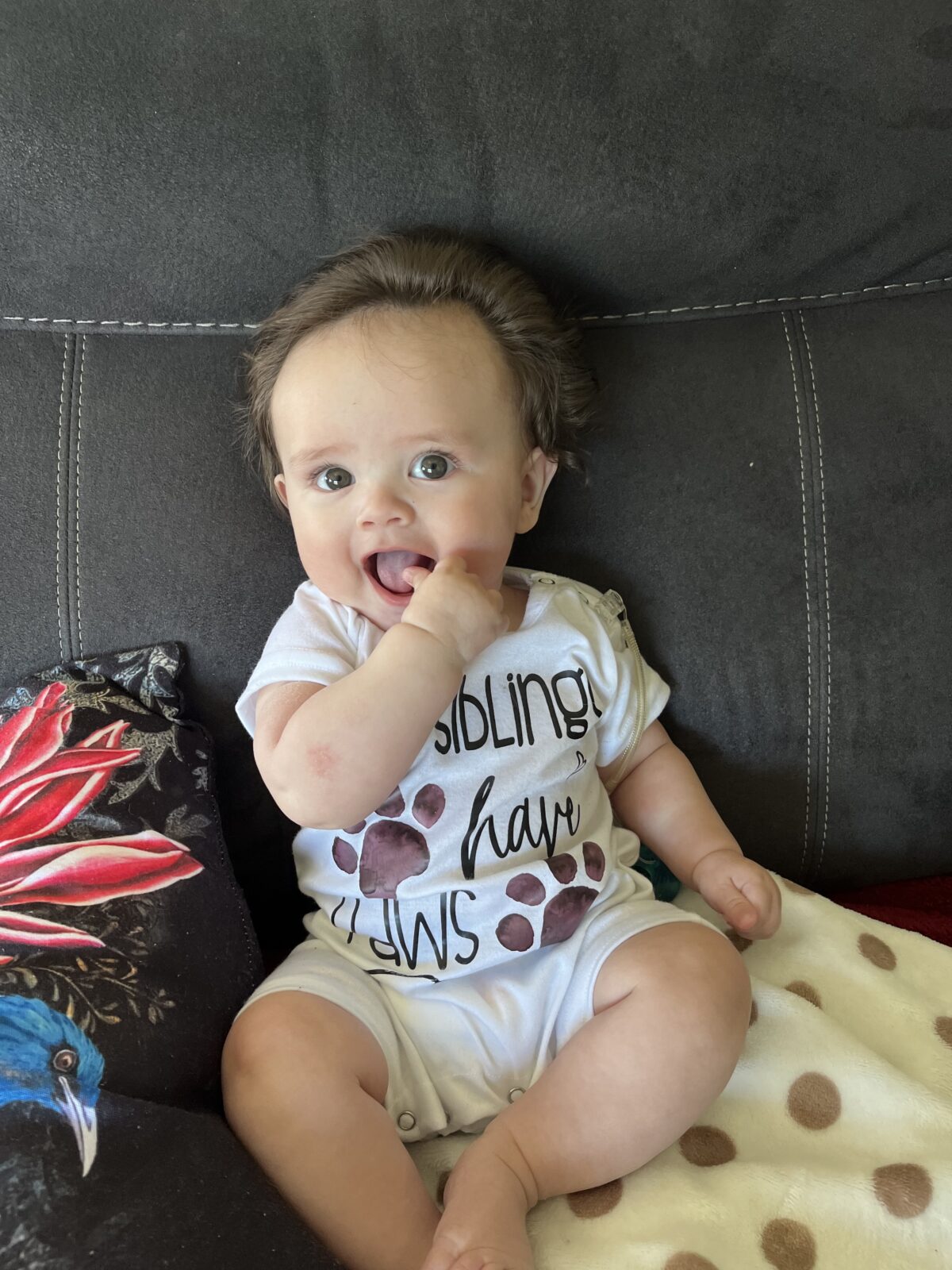
Malachi’s story is one of resilience, faith, and quiet miracles. A reminder that even when beginnings are fragile, endings are still being written. And sometimes, the babies who fight the hardest teach us the most about hope.
Our rainbow didn’t just arrive — he fought his way here. And every day, we are thankful he did.