In a shocking case out of Utah, Micah Smith, a father of three young children, has been charged with child abuse after an incident that has left the community reeling and concerned for the safety of vulnerable children. Authorities say that Smith forced his three children, aged 2, 4, and 6, to embark on a grueling mountain hike during one of the region’s most severe snowstorms. Eyewitnesses and investigators report that the children begged to be allowed to turn back, expressing fear and discomfort, but their pleas were ignored.
The hike, which many would have considered dangerous even under favorable conditions, quickly turned into a life-threatening ordeal. As the snowstorm intensified, the children became exhausted, wet, and chilled to the bone. Temperatures plummeted, wind speeds increased, and visibility was drastically reduced. Hypothermia—a condition in which the body loses heat faster than it can produce it—set in rapidly. Emergency responders later described the scene as “harrowing,” with the children trapped overnight, exposed to extreme weather conditions.
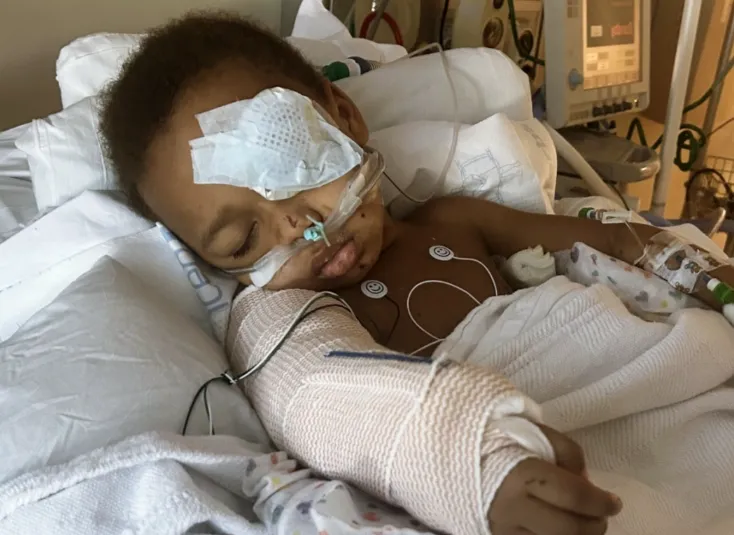
The consequences of this ordeal were severe. At least one child was rendered unconscious, falling into a dangerous hypothermic coma. The other two children, although conscious, were severely cold and disoriented, showing signs of frostbite and extreme stress. Hospital staff reported that all three children required immediate and intensive medical intervention to stabilize their conditions. Doctors emphasized that without rapid treatment, the outcome could have been fatal.
According to prosecutors, Smith’s decision to continue the hike despite the storm was not simply a lapse in judgment. They describe it as a deliberate choice that prioritized his own goals over the safety and well-being of his children. “This was a preventable tragedy,” said the prosecutor during a recent press conference. “It was a choice—a reckless, dangerous choice—to put these young lives at risk in conditions no child should ever face.”
The case has drawn national attention not only because of the sheer danger involved but also because it underscores the responsibilities parents carry when guiding young children in potentially hazardous situations. Experts in child development and wilderness safety have weighed in, emphasizing that children as young as 2 or 4 are incapable of assessing danger or advocating effectively for their own protection in extreme environments. In such scenarios, the responsibility falls entirely on the adults.
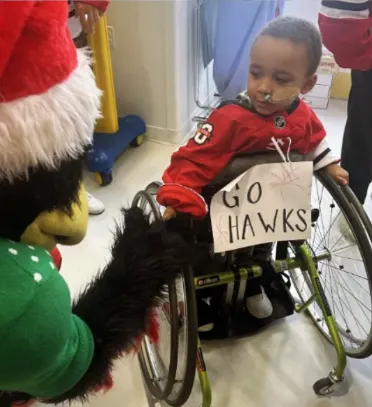
While the circumstances are undeniably tragic, there is a note of hope amid the crisis. The child who initially fell into a coma has since regained consciousness and is reported to be recovering steadily. Doctors say the child remains under close observation, but the prognosis has improved dramatically from the initial emergency. The family has reportedly expressed relief, gratitude for the medical team, and hope that all three children will make full recoveries.
Despite the positive turn in the children’s health, the incident has sparked a wider conversation about parental responsibility, outdoor safety, and the dangers of exposing children to extreme weather conditions. Child advocacy groups and safety organizations have highlighted the importance of planning, risk assessment, and knowledge of environmental hazards when hiking or exploring wilderness areas with young children. They stress that even seemingly routine outdoor activities can become life-threatening when weather, terrain, and age-appropriate limitations are ignored.
“This case serves as a reminder that children depend entirely on adults for their safety,” said a child welfare expert. “They trust that we will make choices that protect them. When that trust is violated, the consequences can be catastrophic, both physically and emotionally.”
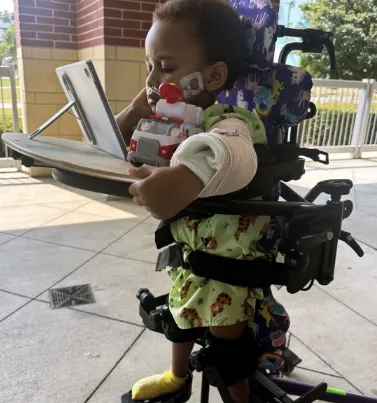
Authorities have confirmed that Smith faces multiple charges of child abuse, with potential penalties that could include significant prison time, fines, and long-term restrictions on parental rights. The legal process is expected to be closely watched by both the local community and the wider public, as the case raises important questions about parental decision-making, accountability, and child protection in outdoor and wilderness environments.
In addition to the criminal proceedings, social workers and child protection agencies are involved to ensure the long-term safety of the children. Their involvement includes assessing the family environment, providing support to the children as they recover from the trauma, and offering guidance to the parents on how to prioritize child safety in the future. Trauma specialists also note that incidents like this can have lasting psychological effects on children, even after physical recovery. Feelings of fear, abandonment, and distrust can persist, requiring careful attention and therapeutic support to help the children heal fully.
Community response has been strong, with neighbors, friends, and concerned citizens expressing shock, anger, and concern. Many have called for stricter guidelines and education around wilderness activities with children, particularly in areas prone to harsh weather or sudden environmental changes. Outdoor organizations and local authorities are now discussing potential preventive measures, including mandatory weather briefings, safety courses, and educational campaigns targeting parents and guardians.
The story of Micah Smith and his children serves as a cautionary tale about the importance of foresight, care, and respect for the limits of young bodies in extreme conditions. Hypothermia, frostbite, and other cold-related illnesses can develop rapidly, particularly in small children who have less body fat, lower heat regulation, and limited ability to communicate their discomfort. What might seem like a manageable outdoor adventure to an adult can quickly escalate into a life-threatening situation for a child.
Experts note that there are many simple precautions parents and guardians can take to prevent such incidents: checking weather forecasts carefully, dressing children in appropriate layers, limiting outdoor exposure during storms, carrying emergency supplies, and being prepared to turn back immediately if conditions deteriorate. They stress that no goal—no matter how well-intentioned—should ever take precedence over the safety of a child.
For the community and for the children involved, the path forward will require patience, support, and vigilance. Physical recovery is only one part of the journey; emotional healing, trust rebuilding, and trauma support will be equally important. Child psychologists emphasize that reassurance, stability, and consistent care from trusted adults are essential for children who have experienced life-threatening events.
As the legal process unfolds, the case will likely have broader implications, sparking dialogue about child safety, parental responsibility, and the role of community oversight in preventing similar tragedies. Advocates hope that the incident will lead to increased awareness, more robust safety standards, and stronger protections for children in outdoor and wilderness settings.
While the story of Micah Smith’s actions is tragic, the resilience of the children and the efforts of medical professionals offer a glimmer of hope. The child who survived the coma is waking up to a second chance at life, and the community is rallying to ensure that all three children receive the care, protection, and support they need. In the face of unimaginable danger, their survival is a testament to the critical importance of prompt medical intervention, attentive care, and, above all, the enduring strength of children even in the most perilous circumstances.
The incident reminds all parents, guardians, and caregivers that while adventure and exploration are valuable for children’s growth and development, these experiences must always be balanced with vigilance, preparation, and an unwavering commitment to safety. The lives of children are fragile, and the trust they place in adults is sacred—violating that trust, even unintentionally, can have consequences far beyond what any parent could imagine.
In summary, what began as a seemingly ordinary day for a family in Utah turned into a life-threatening ordeal, leaving deep emotional scars and a community shaken to its core. Yet amid the horror, the resilience of the children and the dedication of medical professionals provide hope that, with care, guidance, and attention, these young lives can recover, heal, and eventually thrive. The case also serves as a vital lesson for all families about the importance of prioritizing safety over ambition, especially in unpredictable and potentially dangerous outdoor environments.