I thought I knew everything about water safety. It was something I’d always felt confident in. I even remember saying, just a few weeks ago, after hearing about a toddler who drowned in a neighboring small town, “I just don’t see how this can happen.
We watch our littles so closely, always.” I thought drowning only happened to other people. Until we became those other people.

Now, looking back, I realize how naïve we were. I wish we had been more educated. I wish I hadn’t assumed that just because we were there—right in the pool with our kids—nothing could go wrong.
I want to share our story, hoping that it will help other parents understand how quickly things can go wrong, and to remind you of the importance of being vigilant. The story I’m about to tell is JD’s testimony—his testimony of life, survival, and the harsh reality that nothing in parenting can ever be taken for granted.
JD is our middle child, a beautiful, vibrant little boy who will turn five this December. His older brother, Graham, will be ten in November, and our youngest, Ryn, is three and will have her birthday in September.
Craig, my husband, is a firefighter and EMT in the town we live in, and I used to work in the medical field as well. But none of that prepared us for the events that unfolded on July 3rd, almost nine months ago. I will never forget that Friday afternoon. It was the worst moment of my life, and it haunts me to this day.

We were in Mustang, Oklahoma, visiting my in-laws for the holiday weekend. Craig had just finished his 24-hour shift at the station and drove up to join us on Friday morning.
The day before, on Thursday the 2nd, we had a great time swimming with all the kids, my nieces and nephews included. Eight kids in total, all having a blast in the pool. Craig and I both thought JD was inside eating his lunch when it happened.
The morning of July 3rd, Craig and his mom went to the store to pick up some drinks and food. While they were gone, I stayed with the kids, swimming with them, watching as they jumped and splashed in the pool.
When Craig and his mom returned, he changed into his swim trunks, ready to join us. I didn’t realize then that my life would be forever changed in a matter of moments. Everyone was supposed to be inside eating lunch when the accident occurred, so we thought.
But then, just moments later, Graham walked through the door and into the pool area. What he said made my heart stop—”Mom, JD’s in the pool.” I could tell something was terribly wrong.
Craig and I had been so focused on the conversation we were having, the floaties we were lounging on, the laughter of the kids, and the warm summer day. We hadn’t noticed JD slip into the pool, completely unnoticed. He had quietly slipped into the water, and we never heard a splash. Not a sound.
In that moment, when I looked at my son’s lifeless body in the water, I thought I was dreaming. It couldn’t be real. Not our son, not JD. But it was. We were the parents now in the nightmare.
Craig and I had always drilled into our kids that they shouldn’t go near the pool without an adult, but none of that mattered. Drowning doesn’t look like what you see in the movies. It’s not the frantic splashing, the screaming for help. No. It’s silent.
Graham said, “He didn’t look like he was drowning. He was just a dark spot under the water. But I knew JD wasn’t supposed to be there.” It was quiet. There were no signs that he was struggling—no splashing, no cries for help.
He was simply beneath the surface, as if he were holding his breath. That’s the scariest part: drowning doesn’t look like what we think it does. If JD had been older—say, five, six, or seven—he would have been even harder to spot. But Graham knew something wasn’t right. He acted quickly, and that may have saved JD’s life.
I will never forget the screams—my own, uncontrollable screams as I begged for someone to call 911. I was praying out loud, over and over. It felt like time slowed down. Everything in that moment seemed to drag on forever.
I never imagined I would be the mother screaming for help, praying for my son’s life. And I certainly never thought it would happen to me. I thought I knew better. I thought I was always paying attention.
Craig, thank God, is an expert at CPR. He’s a firefighter, after all, and has saved many lives. But doing CPR on your own child is a whole different experience. I don’t know how many times he had to perform chest compressions.
I don’t know how many rounds of CPR he did, but I do know that there was a moment—right before JD started to breathe again—when I thought we had lost him. But then, something miraculous happened. Water, blood, and the remnants of a hot dog came up. JD’s chest rose in a desperate gasp for air. His eyes fluttered open. He was alive.
It was all over in about four minutes, but those four minutes felt like a lifetime. Four of the longest, most agonizing minutes I have ever experienced. And yet, in those moments, my son came back to me. That’s a miracle I’ll never forget.
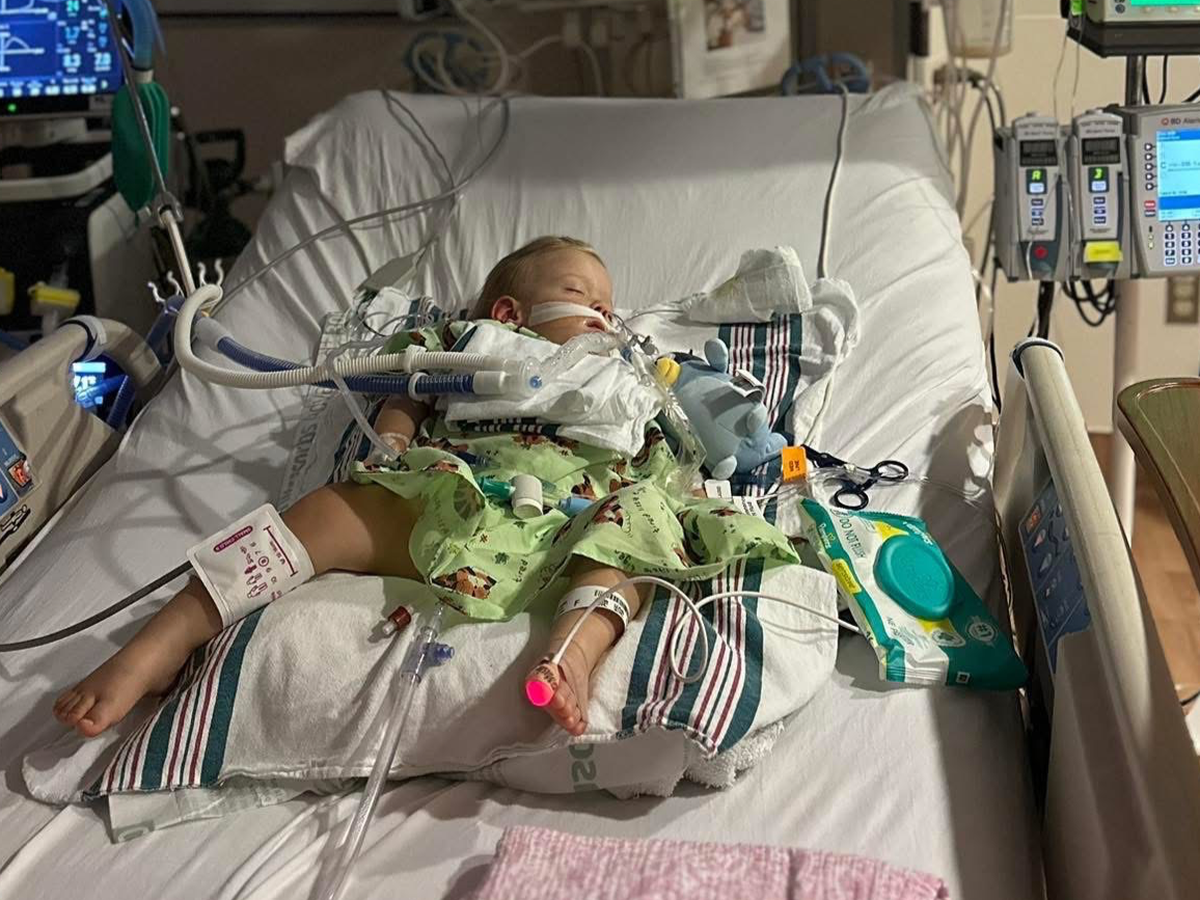
JD spent the next four days in the Pediatric Intensive Care Unit at OU’s Children’s Hospital in Oklahoma City. The whole experience was made even harder by the COVID-19 pandemic, which meant only one parent could be with him at a time.
That meant, for a while, I had no idea what was happening with my son. Craig had left his phone at home in the chaos, so I couldn’t even reach him. I sat alone in the parking garage, feeling completely helpless, not knowing whether JD was alive or not. When I was finally allowed in, I saw my baby—hooked up to machines, covered in wires, and unable to speak. It felt surreal.
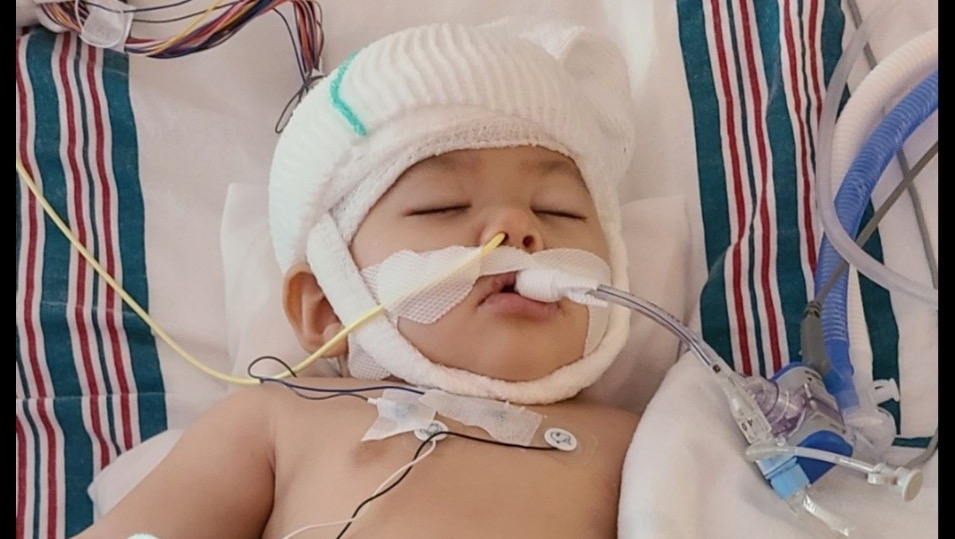
But somehow, JD kept fighting. The doctors used a BiPAP machine to help him breathe before moving to intubation. His little body was under immense strain, and at one point, I felt completely powerless.
I had to leave the room when they intubated him. I didn’t want to be there for that moment, but it was the only option. Craig and I sat in a private waiting room, overwhelmed with emotions. When we were finally allowed back in, JD was still fighting. The nurses and doctors worked tirelessly, and after two days on the ventilator, JD’s body began to heal.
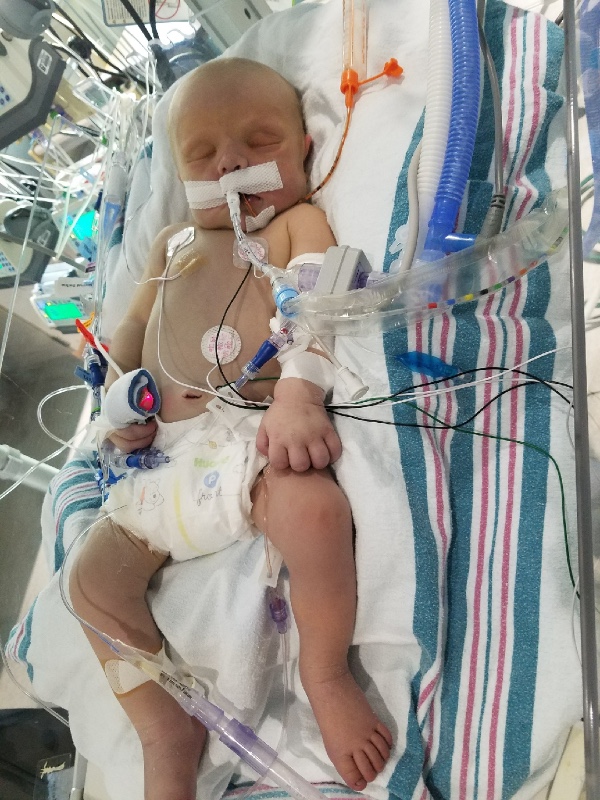
The next few days were filled with uncertainty. Would he recover? Would there be lasting damage? But miraculously, JD woke up. He was fully conscious, and he had no lasting effects from the drowning. No brain damage. He was able to talk, walk, eat, and do everything he did before. It was nothing short of a miracle.
A few days after his recovery, JD started telling us about his dream during his time in the hospital. He said he had seen a big, golden light, and a man who spoke to him and told him not to be afraid.
He said he wanted to go home to us, and the man told him to follow a big bear back to us. JD remembered everything—everything about his near-death experience. He remembered being underwater, and he remembered being saved. It’s a moment I will never forget.
JD’s recovery is nothing short of a miracle. His first T-ball game is this Friday. He’s swimming again, and he’s already back in ISR swim lessons. He’s living his life, and I am so thankful every day that he’s here with us.
But I will never forget the terror of that day, and I will never stop sharing our story so that other parents don’t have to experience what we went through.
The most important lesson we learned from this experience is that drowning can happen to anyone, even when there are adults around. We were naïve. We thought our kids knew the rules, but they didn’t.
We were not vigilant enough, and it almost cost us everything. Please, learn from our mistake. Stay vigilant. Take water safety seriously. It can happen in the blink of an eye, and I never want another parent to experience what we did.