When Helen looks back on June 2021, she realises just how much life can change in a single year.
At the time, frequent hospital visits had become almost routine for her three-year-old son, Woody. He often suffered from croup, a common childhood illness that causes swelling in the airways. Each episode usually meant a short hospital stay, treatment with steroids, and then a return home. It was worrying, but familiar. Nothing prepared Helen for what was about to come.
“He’d had a few health problems and would go into hospital for a day or two,” Helen recalls. “We never imagined it was anything more serious.”
During one of those hospital stays, Helen was sitting in a quiet courtyard, filling out a job application. With ten years’ experience working in charities, she was applying to become a Community Fundraiser. At the time, she had no idea how closely her professional life and personal world were about to collide.
“I remember writing the application while Woody was in hospital,” she says. “That was before we knew how unwell he really was.”
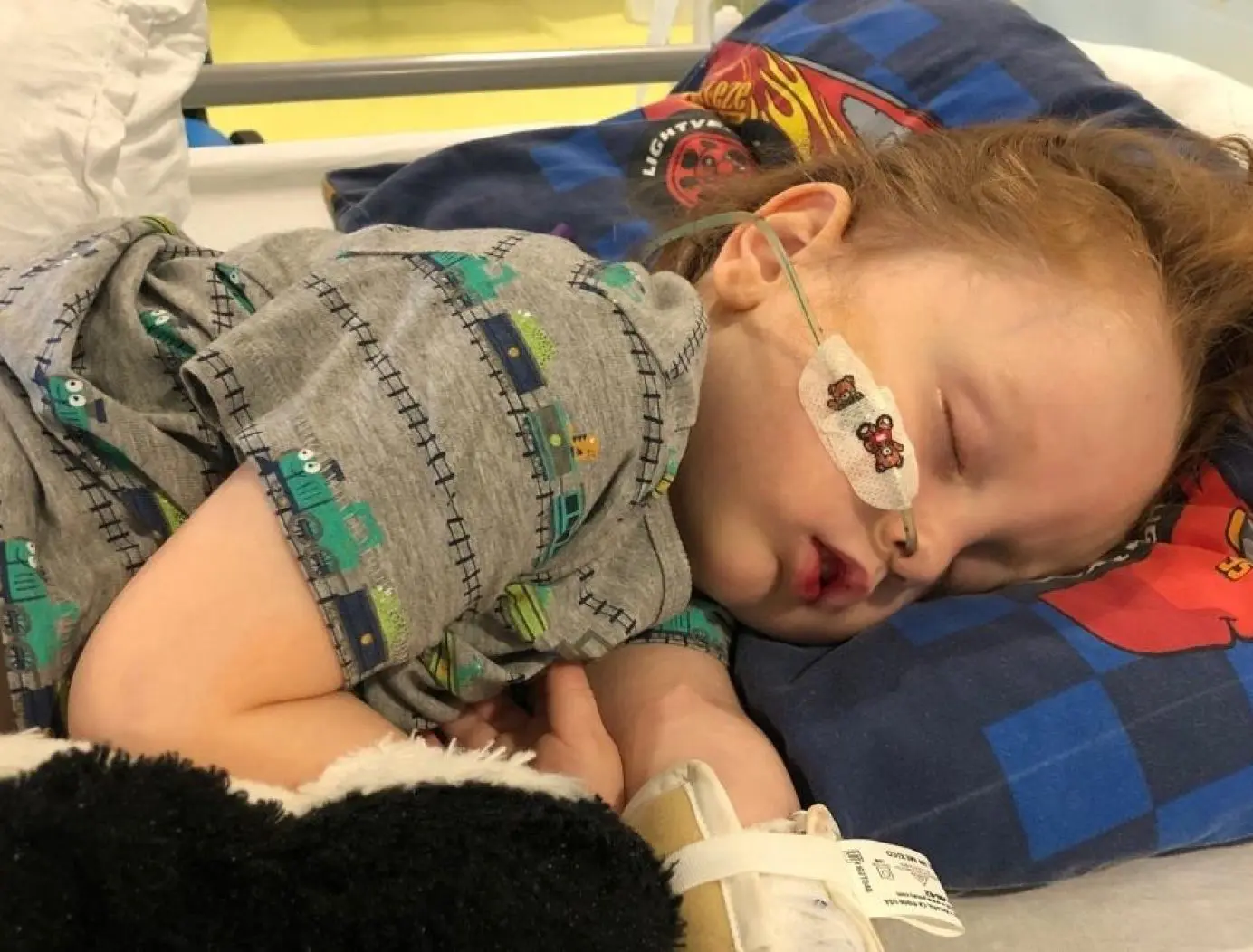
Then everything changed.
Following a sudden complication, doctors had to intubate and sedate Woody. When he didn’t wake up as expected, concern quickly turned into fear. The medical team began to realise something wasn’t right.
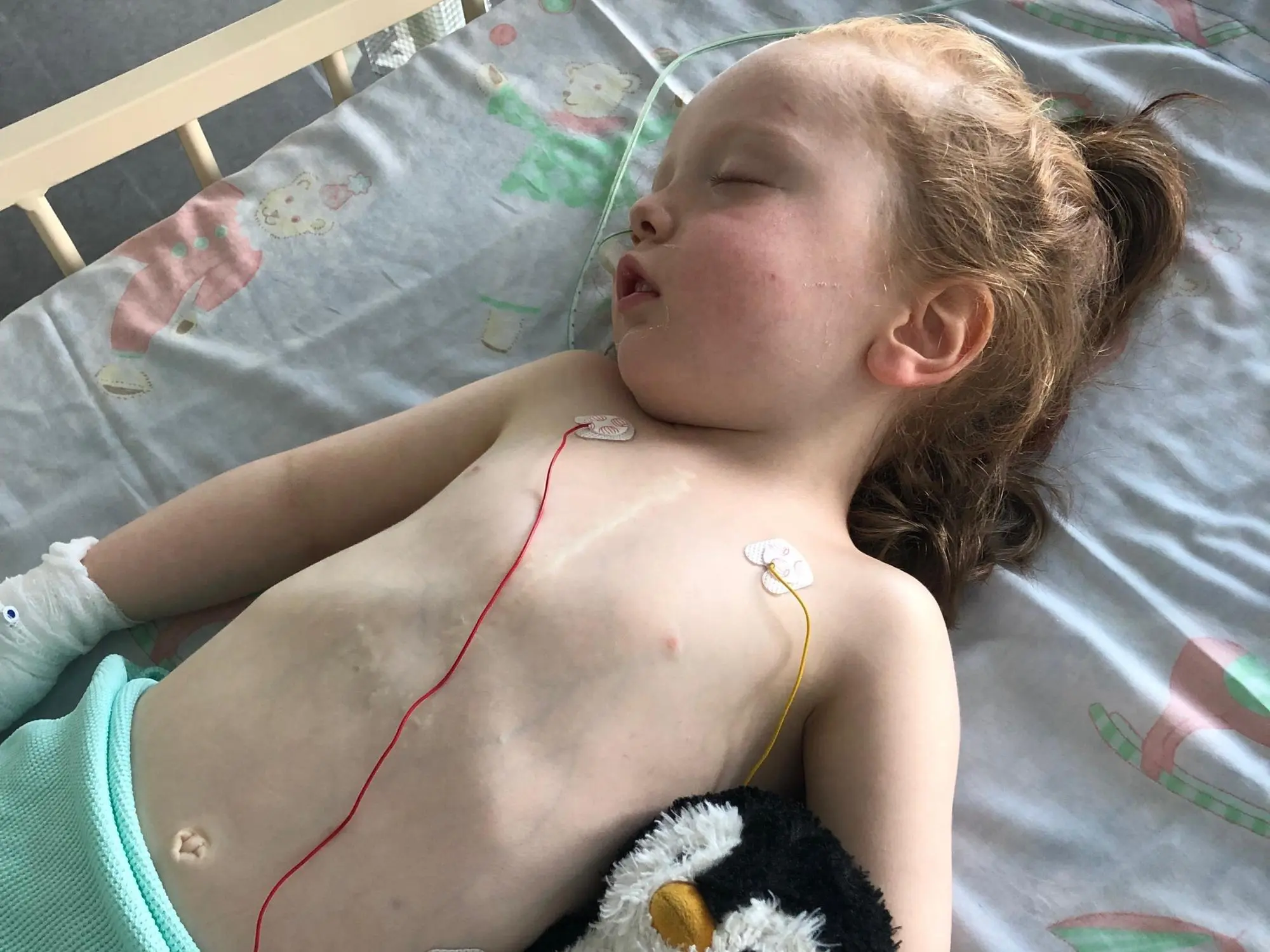
An MRI scan revealed the devastating truth. Woody had been born with a rare and serious condition called congenital portosystemic shunt. Instead of his liver filtering toxins from his blood, harmful substances were bypassing it entirely and travelling straight to other parts of his body.
“One of the main toxins was ammonia,” Helen explains. “There was a massive impact on his brain.”
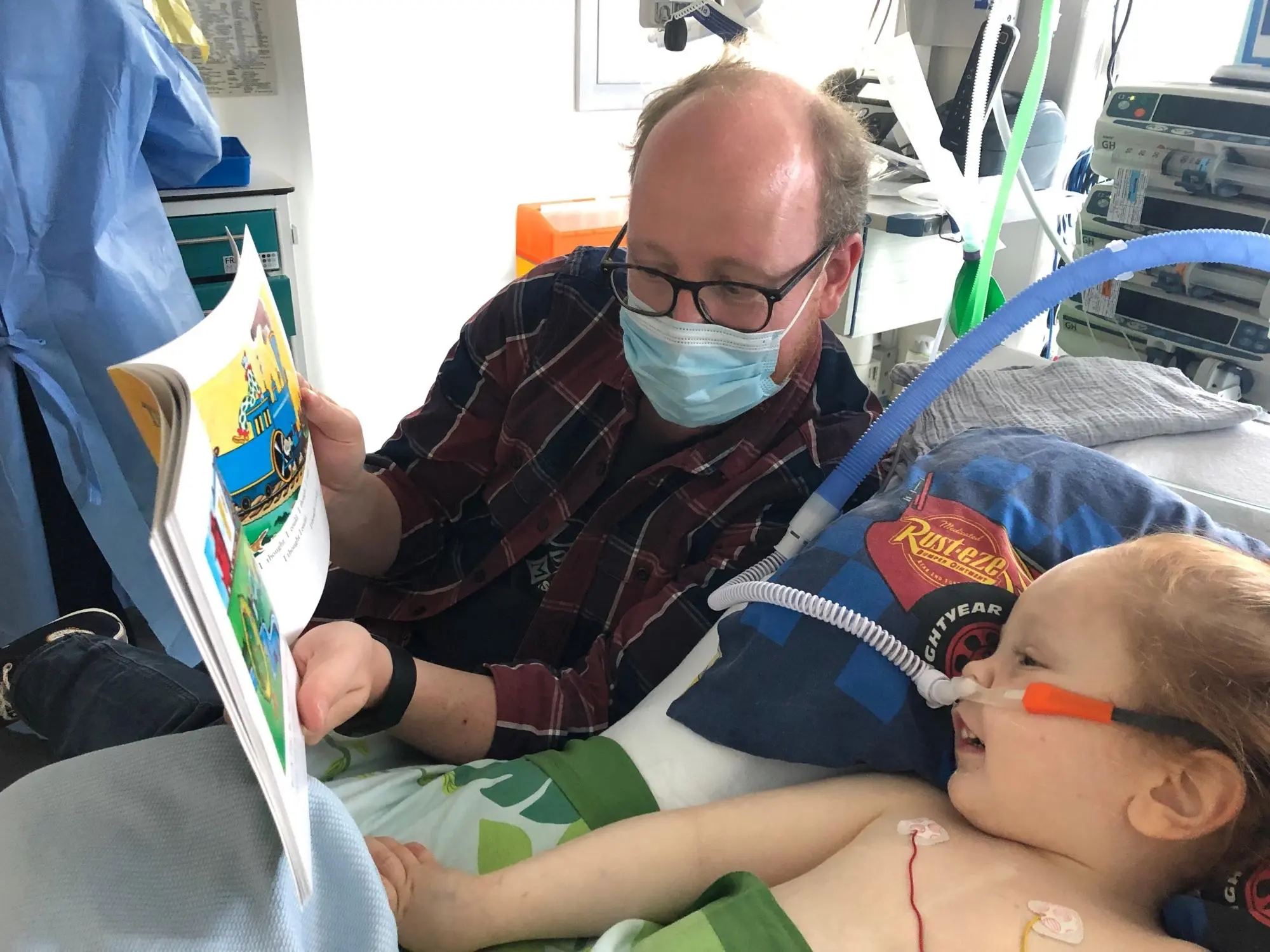
Woody’s condition deteriorated rapidly, and he was transferred to critical care. For Helen and her husband, Stewart, life became a delicate balancing act between hospital corridors, work responsibilities, and caring for their ten-month-old daughter, Bobbie.
“When Woody woke up, he couldn’t be left alone,” Helen says. “He was distressed and frightened. At the same time, we had to think about who would look after Bobbie.”
It was during this overwhelming period that Ronald McDonald House Charities UK entered their lives. Staff at the critical care unit offered the family a room at Edinburgh House, just steps away from the hospital.
“At first, we hesitated because we live locally,” Helen admits. “But the nurses insisted, and honestly, I’m so grateful they did. Woody was unwell for a long time, and being close made all the difference.”
Edinburgh House quickly became more than just a place to sleep. It was a refuge in the middle of fear and uncertainty. It allowed Helen and Stewart to stay near Woody while still having space to rest, process, and support each other.
Once Woody began to recover, the House played an even greater role in his healing.
“When he was well enough, he could come over to the House and play in the playroom,” Helen says. “We watched him doing normal things again — eating spaghetti, laughing, just being a child. That’s when we knew our little boy was coming back.”
Those moments of normality were priceless. They offered a bridge between the intensity of hospital life and the hope of returning home. Helen saw firsthand how the House wasn’t just supporting her family, but many others as well.
“I remember seeing a whole family baking together in the kitchen,” she says. “I thought how special that was. It really is a stepping stone toward getting home.”
Today, Helen’s life looks very different. She joined Ronald McDonald House Charities UK as a Community Fundraiser in September 2021 and now works closely with local communities to raise awareness and support for the House that once supported her family.
“My job is to enable people, give them ideas, and help them support the House in ways that matter,” she explains.
Woody, meanwhile, is home. He turned four in February and is thriving at nursery — a milestone that once felt heartbreakingly uncertain.
Edinburgh House has also reached a major milestone of its own. In March, both the House and the hospital celebrated their first anniversary. Since opening, more than 600 families have stayed across its 25 en-suite rooms, with an average stay of 10 days.
“The House was at half capacity during Covid-19,” Helen notes. “Now it’s full, which shows just how vital this support is.”
June marks a deeply meaningful moment for Helen’s family — one year since Woody was admitted to hospital. To honour that journey, it will also coincide with one of Edinburgh House’s first major fundraising events: a skydive.
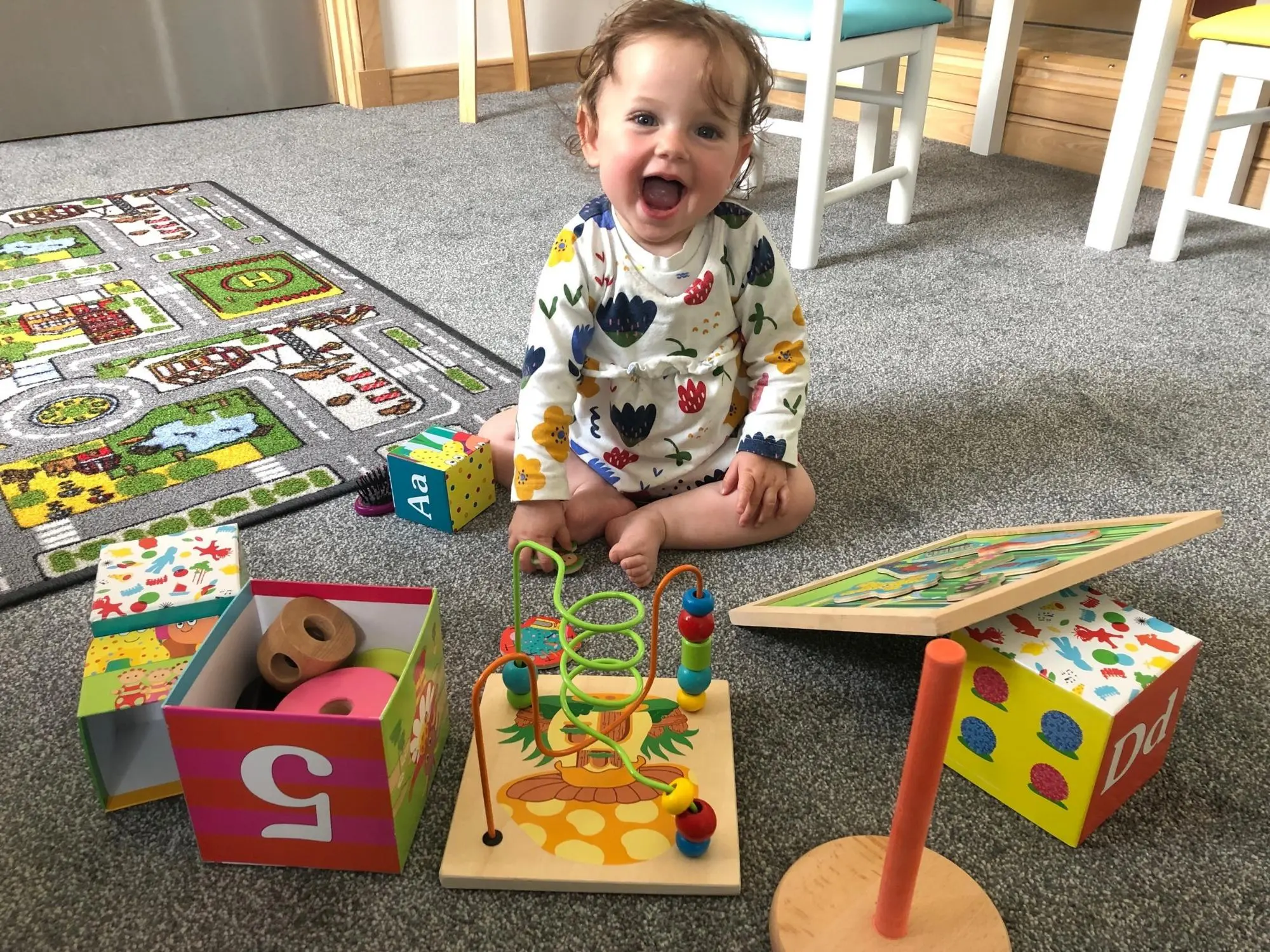
“We see it as a celebration,” Helen says. “For families who go through so much, giving back becomes a way of marking survival and hope.”
One of the most powerful parts of Helen’s role is hearing from families who feel seen and understood.
“It reminds them they’re not alone,” she says. “When something terrifying and unexpected happens, you don’t realise how many others are going through the same thing. A chat, a shared moment, even a moan — it can make such a difference.”
Woody’s story is one of fear, resilience, and recovery. But it’s also a reminder of how vital compassion and community are when families face the unthinkable. And for Helen, it’s proof that sometimes, the hardest moments in life lead us exactly where we’re meant to be.