Marysia was born in 2016, a little girl whose life should have unfolded through laughter, discovery, and the gentle rhythm of growing up. Instead, before she could even understand what illness meant, her childhood was interrupted by a diagnosis that would reshape everything her family knew. In 2018, Marysia was diagnosed with medulloblastoma, a malignant brain tumor of the cerebellum, and from that moment on, nothing in their world was ever the same again.

The word cancer entered their lives suddenly, violently, and without mercy, replacing bedtime stories with hospital corridors and family routines with medical schedules. Marysia was still so small, yet her body was already being asked to endure surgeries, scans, and treatments that many adults would struggle to survive. Her parents watched helplessly as their daughter was forced to become brave long before she should have had to learn what bravery meant.
More than a year of Marysia’s life was spent at the Bambino Gesù Children’s Hospital in Rome, one of the Vatican’s most renowned pediatric hospitals, far away from the comfort of home. That year was filled with fear, exhaustion, and constant uncertainty, but also with hope that somehow, love and medicine together could save her. Marysia underwent multiple brain surgeries, intensive chemotherapy, and megachemotherapy, each procedure leaving its mark on her fragile body and her family’s hearts.
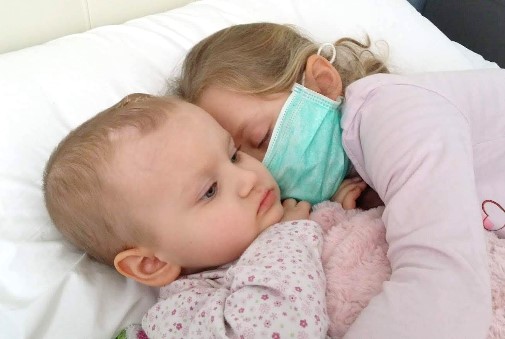
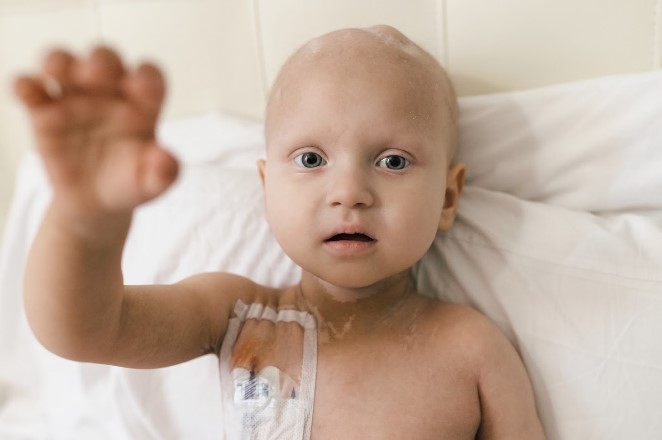
To keep her alive, doctors implanted a ventriculoperitoneal shunt to regulate pressure in her brain, along with a port in the posterior chamber of her head to allow repeated access for treatment. These were not temporary measures but permanent reminders of how deeply cancer had woven itself into her life. For Marysia, medical devices became as familiar as toys should have been, and hospital rooms replaced the spaces where childhood memories are usually made.
Despite everything, Marysia fought with a quiet strength that stunned everyone around her. She learned to smile through nausea, to endure pain without understanding why it was happening, and to trust doctors she saw more often than playground friends. Every six months, she returned to Rome for checkups, each visit filled with the same silent question that haunted her family: Is the cancer truly gone?
For a time, the answer seemed to be yes, or at least close enough to hope. Life never returned to normal, but it became survivable, structured around monitoring rather than crisis. Her family dared to believe that maybe the worst chapter had been written, and that the future might finally hold more light than fear.
Then came May 2025.
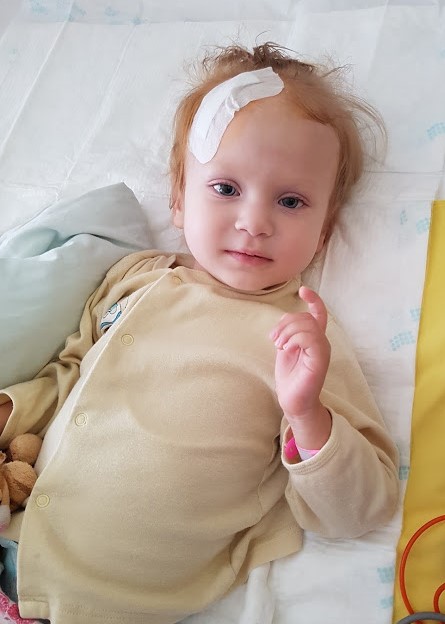
In a moment that shattered all fragile reassurance, Marysia was diagnosed with cancer again, this time bone cancer, forcing her back into the oncology ward and back into a fight she should never have had to face twice. The news fell like a second storm, heavier and crueler because of everything she had already endured. Once again, her small body was asked to withstand pain, invasive procedures, and treatments that steal energy, appetite, and peace.
This relapse is not only emotionally devastating but medically severe, demanding aggressive and prolonged treatment with no guarantees. Bone cancer brings its own battles, its own risks, and its own long months of hospitalization, chemotherapy, and recovery that test the limits of both body and spirit. For Marysia, it means reliving fear she never truly escaped, and for her family, it means returning to a place they prayed they would never see again.
The financial burden of this fight is overwhelming, with treatment costs rising beyond anything an ordinary family can manage alone. Specialized oncology care, medications, hospital stays, travel, and long-term monitoring come together in a weight that threatens to crush even the strongest parents. Every day brings new expenses and new decisions, all centered around one unshakable truth: stopping is not an option.
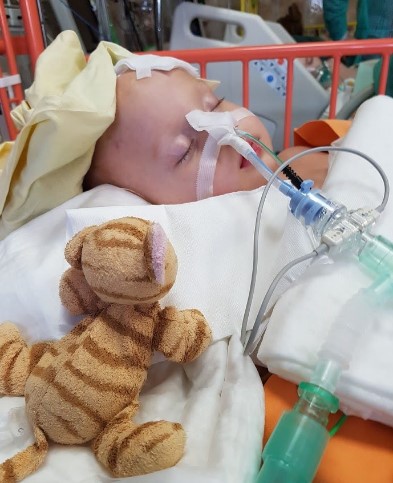
Marysia is not just a patient lying in a hospital bed, she is a child who has already paid an unimaginable price for survival. She is a little girl who knows fear too well, who has faced pain with courage she never asked for, and who continues to fight even when her body is tired beyond words. Her strength is not loud or dramatic, but steady, quiet, and deeply moving.
Her family refuses to surrender, but they cannot carry this fight alone any longer. Each donation helps fund life-saving treatment, each shared story spreads awareness, and each message of support reminds them that they are not isolated in this nightmare. What Marysia needs now is not pity, but solidarity, not sadness, but action.
Childhood cancer does not always end when treatment ends, and survival does not mean safety forever. It lingers, it returns, and it demands more resilience than any child should be forced to give. Marysia’s relapse is a painful reminder of how fragile hope can be, and how urgently children like her need the support of a wider community when cancer comes back stronger.
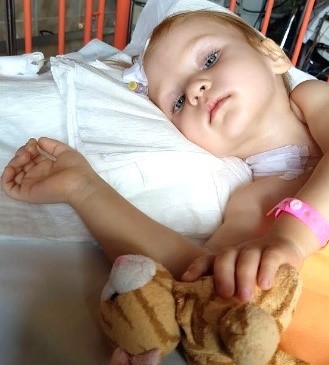
Marysia is fighting again, enduring again, and holding on again, even when the road feels impossibly long. She is asking, through her family, for the chance to continue this battle with dignity and with the care she deserves. Because no child should have to face cancer twice, and no family should have to walk this road alone.
Standing with Marysia means standing for her future, for her right to grow up without fear, and for the belief that even when cancer returns, hope does not have to disappear with it.
.