When Mollie and Randall Keen discovered they were expecting their first child, the anticipation and joy that came with the news were immense. Like many soon-to-be parents, they imagined the gentle kicks, the soft coos, and the quiet nights of holding a newborn close. They envisioned a full-term birth, with all the milestones and celebrations that come with bringing a child into the world. They could not have imagined the incredible journey that awaited them, one that would test their courage, patience, and faith in ways they could never have predicted.

From early in the pregnancy, everything seemed normal. Mollie’s appointments and ultrasounds suggested a healthy baby. Yet, as the weeks passed, complications began to surface that would drastically alter their path. At just 21 weeks gestation, an alarm went off in the medical world: the risks were immediate and profound. Preterm labor had begun, and the couple was confronted with the unthinkable reality that their child might arrive far too early to survive.
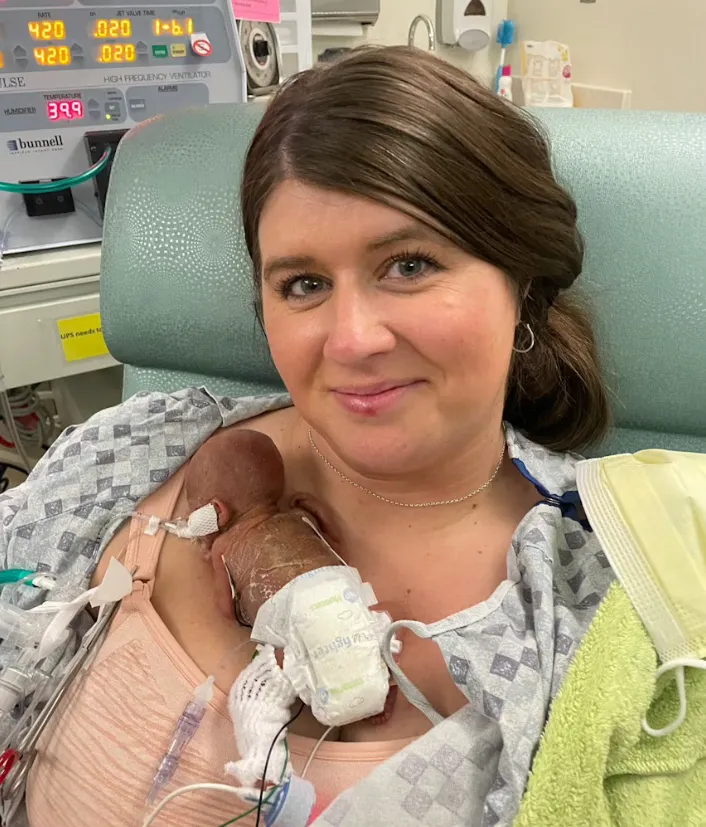
The hospital team at University of Iowa Health Care acted swiftly. Maternal-fetal medicine specialists, neonatologists, nurses, and support staff mobilized to provide both Mollie and her baby the best possible chance. In situations like this, the odds of survival are staggeringly low. At 21 weeks, a baby’s lungs, brain, and organs are incompletely developed. Conventional wisdom often dictates that survival is nearly impossible at such an early stage, and parents are left to grapple with hope, fear, and the raw uncertainty of the moments ahead.
On that fateful day, the Keens’ world shifted irrevocably. Nash Keen entered life 133 days ahead of schedule. Weighing only a fraction of what full-term babies do, he was the size of a soda can. Every breath he took required assistance; every heartbeat had to be monitored closely. The neonatal intensive care unit became both a battleground and a sanctuary—a place where cutting-edge medicine met human tenacity.
From the very first moments, Nash’s fragility was evident. He required immediate intubation to support his lungs, intravenous nutrition to sustain him, and constant monitoring of vital signs. Yet even in the midst of tubes, monitors, and alarms, the tiny infant exhibited a spark of life that would define his journey. The NICU team, understanding the high-risk nature of his birth, coordinated a plan that combined respiratory support, meticulous care, and round-the-clock observation.
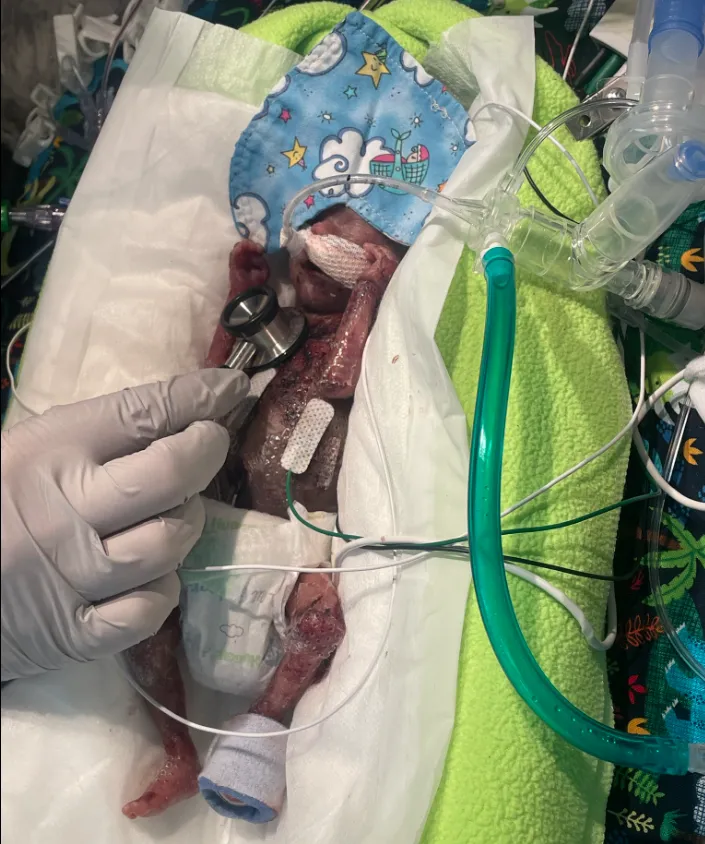
Every day in the NICU was both a challenge and a triumph. The Keens watched their son face hurdles that few children, and indeed few adults, would ever encounter. The slightest fluctuation in heart rate or oxygen saturation could mean the difference between life and death. Infections, respiratory complications, and the ongoing struggle to feed and nurture a baby born so prematurely were constant threats. Yet with every day that passed, Nash demonstrated resilience that seemed far beyond his size and age.
Mollie and Randall, despite their own fears and exhaustion, became vital partners in Nash’s care. They learned to navigate the complex world of premature infant care: how to suction his airway, how to adjust his positioning to prevent complications, and how to recognize signs of distress that even seasoned nurses might miss. Their love and advocacy were unwavering, providing not only emotional support but also critical vigilance that complemented the expertise of the NICU team.
Throughout those early days, the Keens faced moments of profound anxiety. Doctors would sometimes deliver sobering updates, explaining the risks of extreme prematurity: neurological delays, developmental complications, chronic lung disease, and more. Each conversation tested the limits of their hope. Yet, the love they had for Nash, combined with the extraordinary dedication of the medical staff, created an environment where survival was possible—even when it seemed improbable.
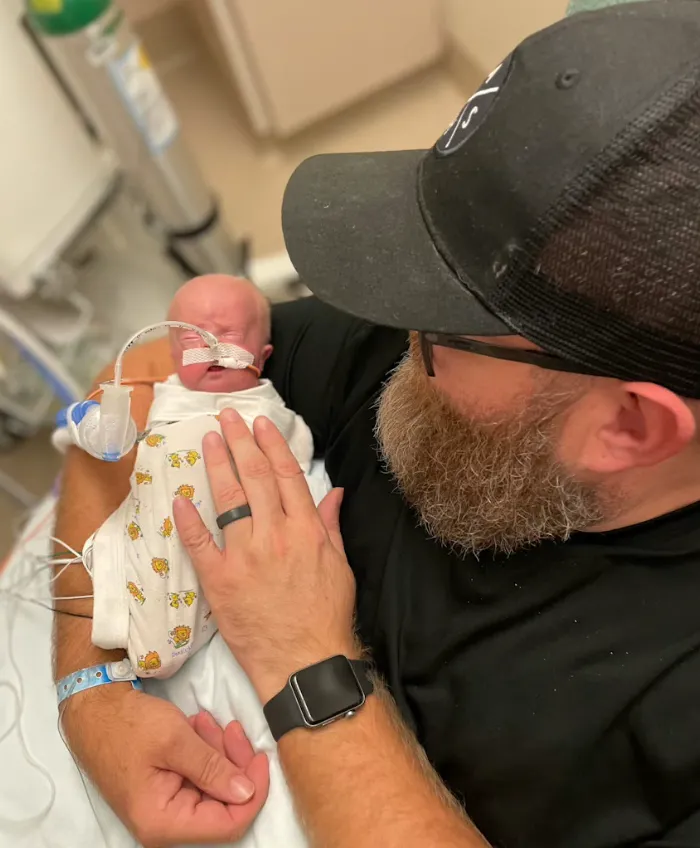
Nash’s journey through the first days, weeks, and months of life required not only medical intervention but also incredible resilience from his parents. They navigated the emotional rollercoaster of NICU life—celebrating small victories like a stable feeding, a successful extubation, or a tiny gain in weight, while simultaneously preparing for potential setbacks. The physical and emotional demands were enormous, from long hours at the hospital to sleepless nights worrying about each breath their son took.
Despite the challenges, Nash displayed remarkable determination. Each day, he grew stronger, his tiny organs adapting, his lungs beginning to function with less support, and his body gradually gaining weight. Each milestone, no matter how small, was a victory: tolerating more nutrition, maintaining stable heart rates, or demonstrating signs of neurological response. For parents, these moments were profound reminders that their child was not just surviving, but fighting—and winning, one day at a time.
The NICU experience also brought a broader community of support into the Keens’ lives. Other families with premature infants, social workers, and hospital staff provided guidance, empathy, and camaraderie. Stories were shared of hope and resilience, creating a network that helped the Keens sustain their strength during long, trying months. Each shared smile, each story of another baby thriving, became a beacon in the darkness, reinforcing the possibility that Nash could—and would—survive.
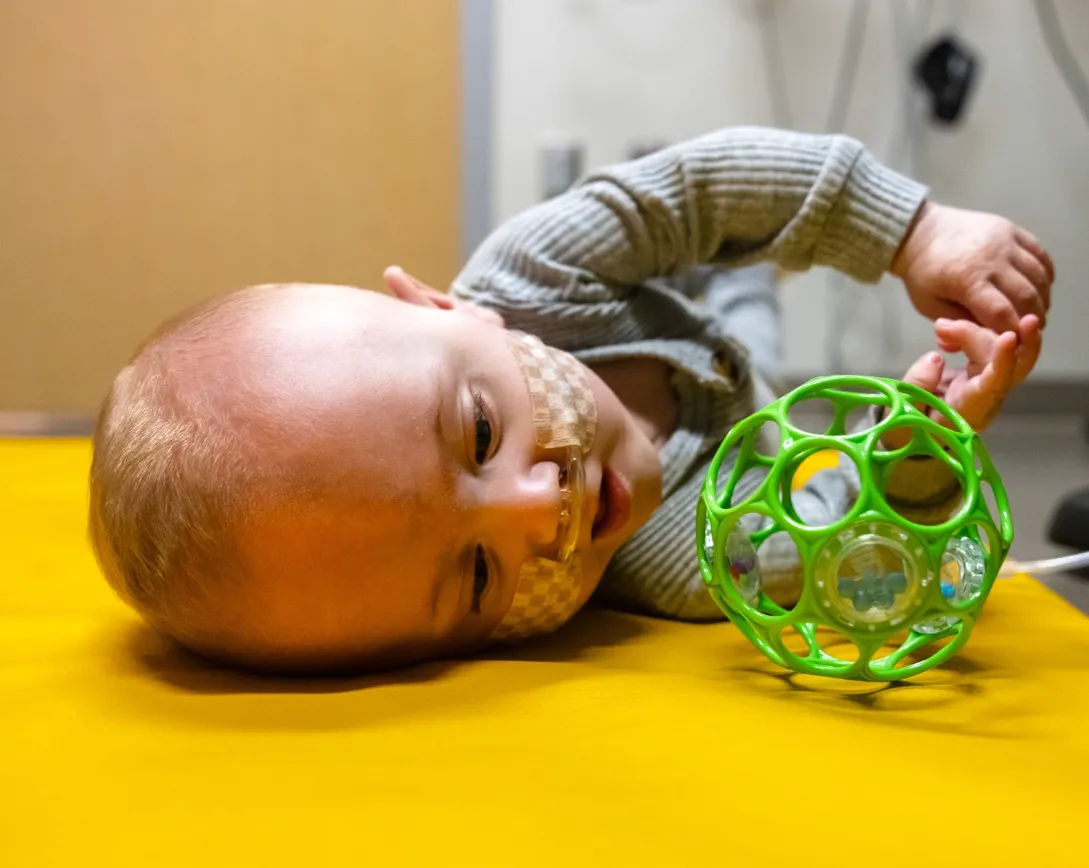
As Nash’s condition stabilized, the focus shifted to long-term development. The challenges of extreme prematurity extend far beyond the NICU. Parents and medical professionals must work to support growth, cognitive development, and the prevention of complications such as vision or hearing impairment, developmental delays, or chronic health issues. Mollie and Randall, armed with knowledge and guided by their medical team, learned therapies, exercises, and strategies to help Nash achieve milestones that many take for granted: holding his head steady, grasping objects, and eventually taking his first steps.
By the time he approached what would have been his original due date, Nash had survived longer than many would have dared to imagine. Each day represented not only survival but also the slow, deliberate building of a life that had started in the most fragile of circumstances. Every laugh, every smile, and every small gesture of engagement was a victory—a reminder of the extraordinary potential contained within even the tiniest of bodies.
At home, after 133 days in the hospital, Nash finally experienced the world outside the NICU. For the Keens, this was a moment of immense relief and profound joy. The transition from hospital to home brought new challenges, from managing oxygen support to ensuring proper nutrition, but it also offered opportunities for bonding, love, and the simple pleasures of family life that had been delayed for months. The home became a space of recovery, play, and growth—a place where Nash could continue to thrive in a safe and nurturing environment.
Today, Nash Keen’s story continues to inspire. He is a child who entered the world under circumstances that few could survive, and yet he has not only survived but begun to flourish. His journey stands as a testament to the power of medical innovation, parental love, and human resilience. Every milestone he reaches, from learning to walk and talk to playing with friends and exploring his surroundings, is a victory that represents the culmination of extraordinary effort, care, and determination.
For the Keens, each day with Nash is a reminder of the fragility and preciousness of life. Their son, once considered unlikely to survive, has grown into a symbol of hope for families facing similar challenges. The journey is far from over—Nash will continue to require support, therapy, and monitoring—but his life so far demonstrates that miracles can occur even under the most daunting circumstances.
Nash’s story also highlights the importance of maternal-fetal medicine, neonatal intensive care, and the dedication of medical professionals who work tirelessly behind the scenes. Without their expertise, vigilance, and commitment, the possibility of his survival would have been drastically reduced. The Keen family is profoundly grateful for the doctors, nurses, and specialists whose skill and compassion gave Nash a chance at life—a chance that many thought would never come.
Beyond the medical and technical aspects, Nash’s journey is a testament to faith, hope, and perseverance. The emotional and psychological strength required of parents in such situations is immense, and Mollie and Randall’s dedication exemplifies the depth of parental love. Their ability to remain present, hopeful, and resilient in the face of overwhelming odds has been a key factor in Nash’s survival and ongoing development.
Nash Keen is now growing stronger each day, his tiny body continuing to defy expectations. He interacts with the world around him, forming connections with his family, exploring his environment, and responding to the love and care he receives. Each developmental milestone is celebrated with the knowledge of the incredible journey he has endured, a reminder that life, even when it begins in the most fragile state, is a powerful and enduring force.
His story serves as an inspiration to all who hear it. It reminds us that even in the face of overwhelming medical challenges, hope, love, and expert care can make the impossible possible. Nash’s life, fought for day by day with unwavering support and relentless determination, demonstrates that miracles are not just the stuff of stories—they are the reality that unfolds when human perseverance, science, and compassion converge.
For families currently navigating the uncertainty of extreme prematurity, Nash’s journey offers encouragement and a model of resilience. It shows that while the path may be fraught with challenges, every day of progress—every tiny breath, every gram gained, every smile—is a victory to be celebrated. It exemplifies the impact of community, medical expertise, and parental advocacy in shaping outcomes that once seemed unattainable.
As Nash continues to grow and thrive, his life will undoubtedly continue to inspire. His story stands as a beacon of hope, not just for those in the NICU, but for anyone facing seemingly insurmountable odds. The tiny fighter who arrived 133 days ahead of schedule reminds us all that life is precious, resilience is extraordinary, and love—paired with expertise and dedication—truly can overcome the greatest of challenges.