What do you say to a child who is both brave and frightened at the same time?
What words do you choose for a twelve-year-old boy who is old enough to sense that something is wrong, yet still too young to understand just how heavy his fight has become?

Zach Aderholt is that child. Standing on the edge between childhood and awareness, between faith and fear, between what he hopes for and what his body will allow.
His father, Dustin, says Zach understands God is with him. That faith is not abstract for Zach. It is personal. It is something he leans on when his chest hurts, when the machines hum through the night, when doctors speak in voices that sound too careful.
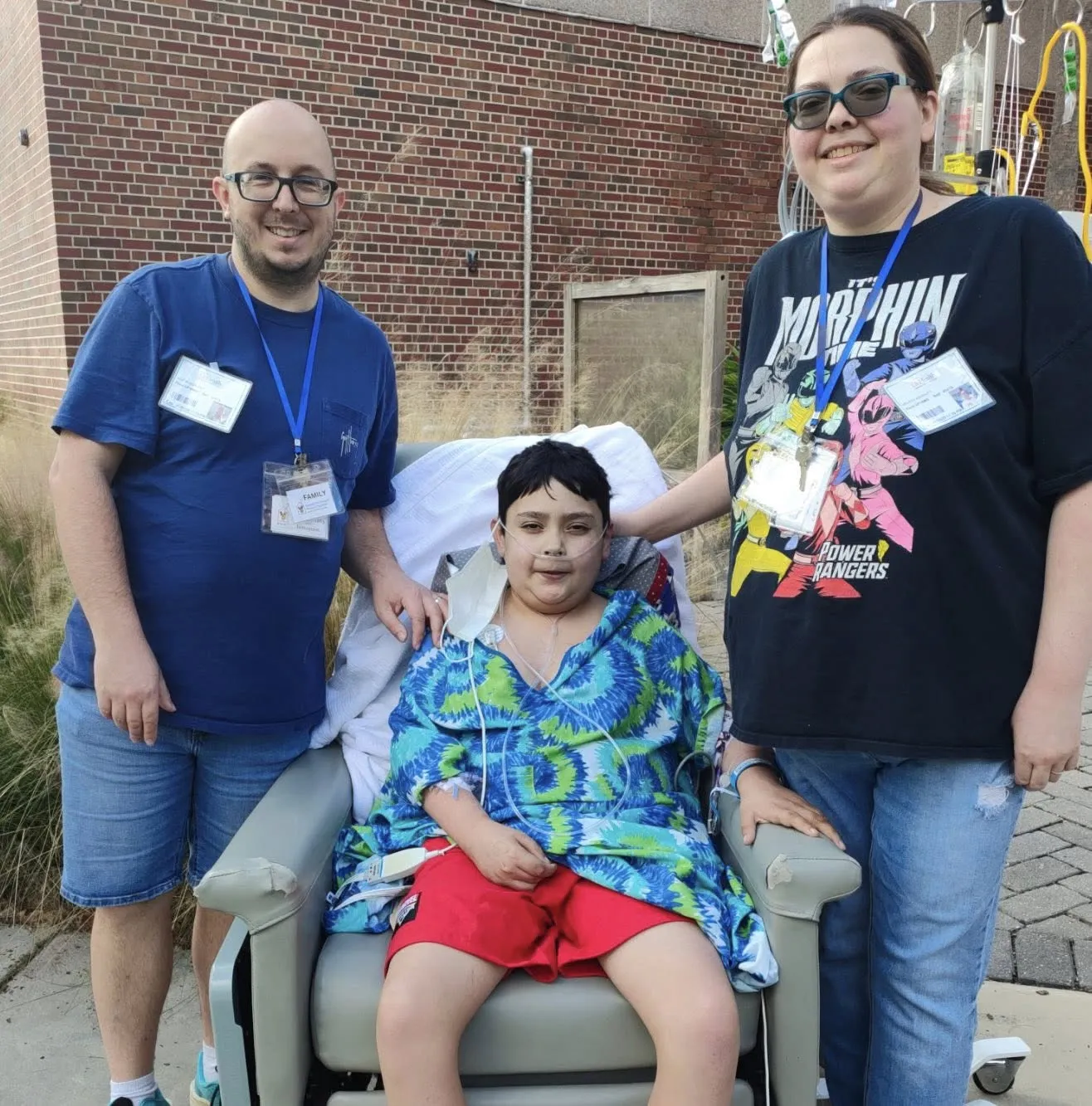
But faith does not erase pain. And it does not make fear disappear.
Zach’s story began in crisis before he ever had the chance to cry. He was born with Hypoplastic Left Heart Syndrome, a condition so severe that part of his heart never fully formed. In the delivery room, life slipped away from him almost immediately. His father says he was, in many ways, born not breathing. Born silent. Born already fighting.
Doctors had to bring him back. Not once. Not twice. Three times.
Before Zach ever opened his eyes to the world, his heart had already failed him. And yet, somehow, he stayed.
At just one week old, Zach was wheeled into surgery. His body was impossibly small. His chest opened before his life had even begun to take shape. Tubes and wires replaced what nature could not finish. Machines stepped in to do the work his organs could not yet do on their own.
For a time, his survival depended on ECMO, a machine that kept his blood moving, his oxygen flowing, his body alive while his parents stood nearby praying for minutes, then hours, then days.
That was only the beginning.
At one year old, Zach went through another open-heart surgery. At six, another. Each time, his family hoped it would be the last. Each time, they learned that with congenital heart disease, there is rarely a “last.”
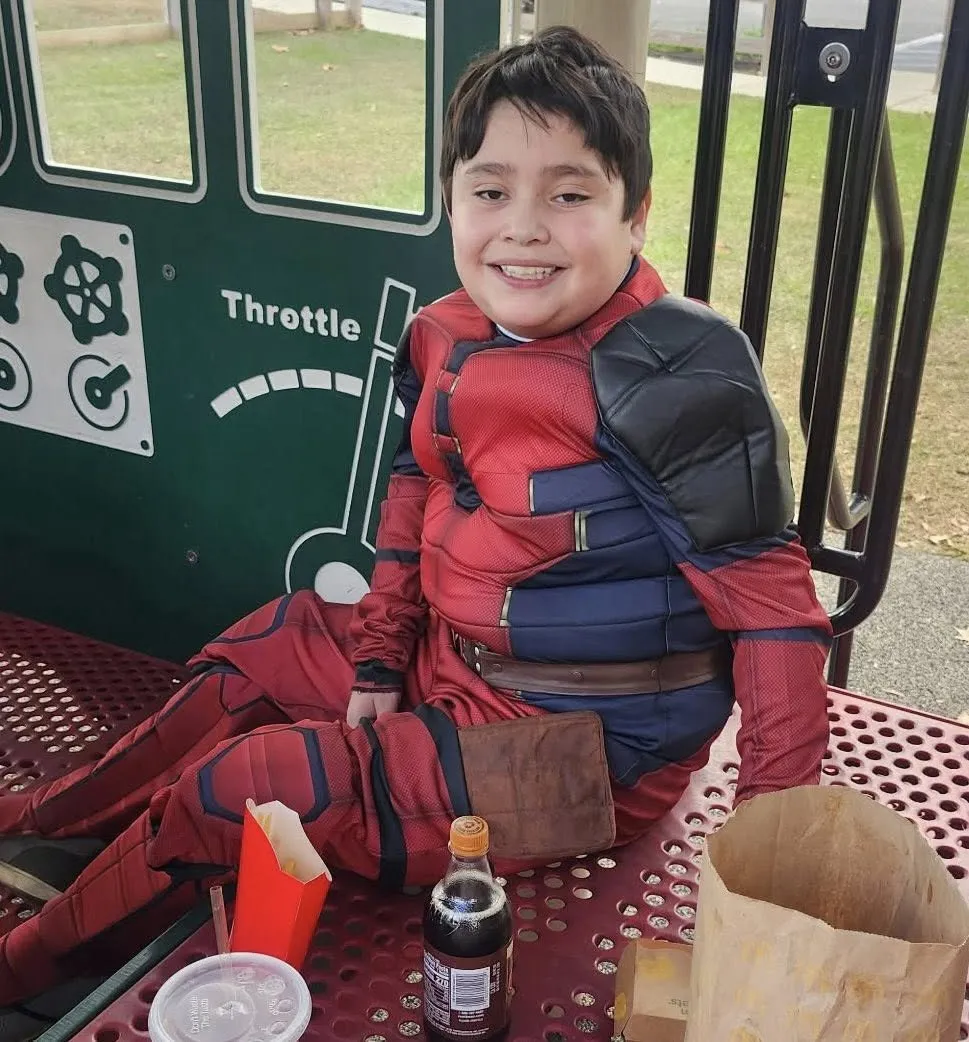
Zach grew up measuring time not in birthdays alone, but in recoveries. In hospital stays. In scars that stretched as his body did. He learned early how to be patient, how to endure discomfort, how to accept that his life would never look like the lives of other kids his age.
And still, he remained gentle. Kind. Good in the way that makes adults stop and wonder how someone so young can carry so much with such quiet grace.
Less than a year ago, everything shifted again.
Zach began to feel worse. His parents, Dustin and Melissa, recognized the signs they had learned to fear. They rushed him to the hospital, hoping it was temporary, hoping it could be managed. Doctors found fluid around his heart. His body was struggling once more.
Now, Zach lies in a hospital room in Gainesville, where the news seems to grow heavier with each passing day. His heart is failing again. And as it weakens, other organs are beginning to follow.
His kidneys are no longer functioning as they should. His liver is failing too.
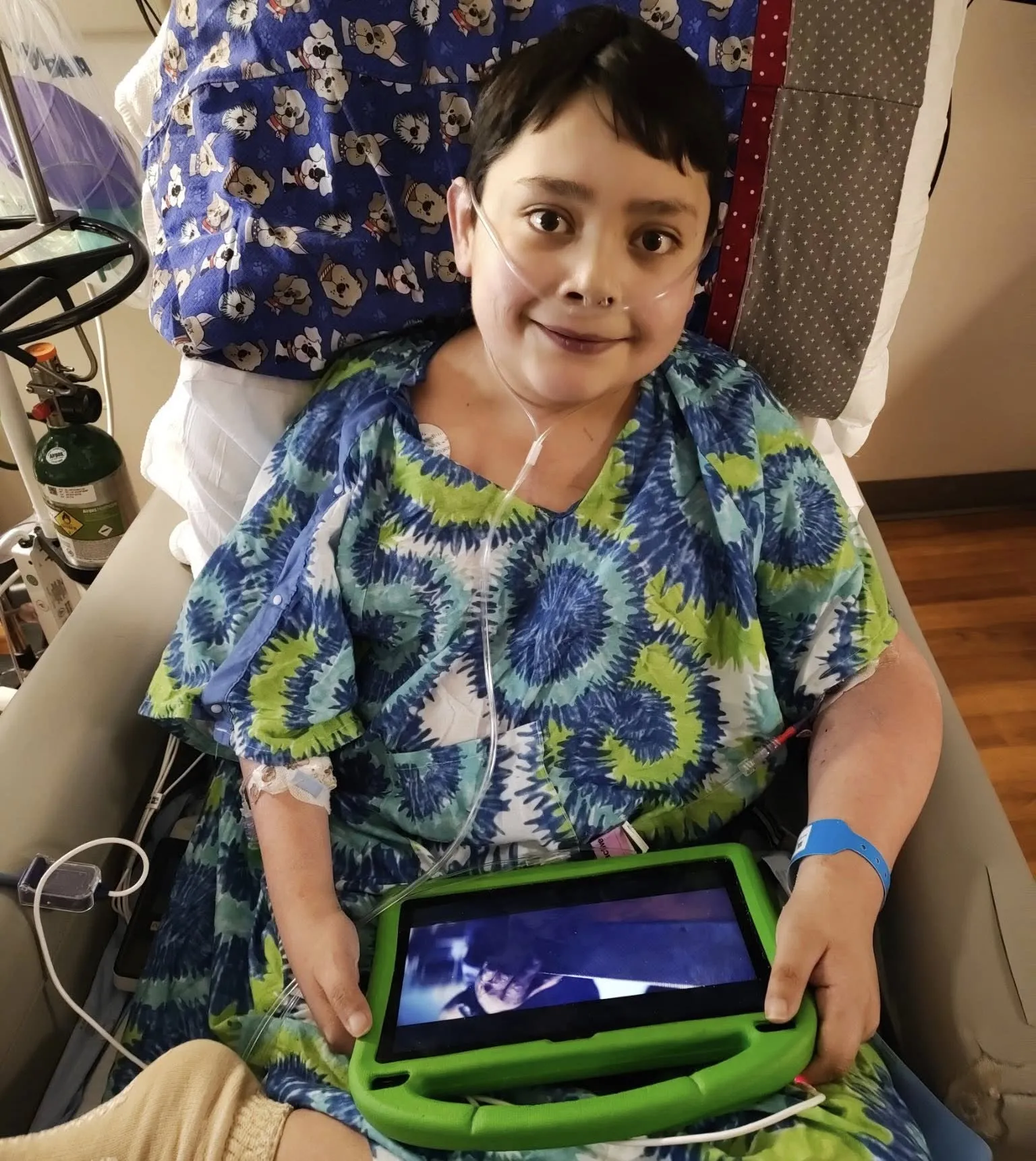
The cruelest truth of all is that Zach is not eligible for a heart transplant. The organs surrounding his heart are too compromised. The very systems meant to support a new heart cannot withstand the strain.
For his parents, this is a reality no one prepares you for. There is no roadmap for watching options disappear one by one. No instruction manual for explaining to a child why the word “transplant” is no longer spoken with hope.
So they take life one day at a time. Sometimes one hour at a time.
There is a possibility that another hospital might be able to help. A chance, however small, that a different team might see something others cannot. Families like Zach’s learn to live on these maybes. On fragile possibilities that keep them moving forward even when the ground feels unsteady.
But there is also another conversation unfolding quietly.
Zach has begun to talk about home.
Not as a place of giving up, but as a place of comfort. A place where the walls do not beep. Where the nights are quieter. Where pain can be softened by familiarity.
His father says Zach thinks it might be best to go home.
Home is where his bed is. Where his memories live. Where love is not measured in visiting hours. Where his body can rest without being prodded and monitored every second.
For a parent, agreeing with that thought feels like standing at the edge of something you never wanted to see. It means choosing comfort when cures are no longer promised. It means loving your child enough to listen when he tells you what he needs most.
Dustin’s voice softened when he spoke about it. He didn’t speak in absolutes. He didn’t say goodbye. He simply acknowledged what his son feels.
Home might be best for Zach.
Those words carry a weight that lingers long after they are spoken.
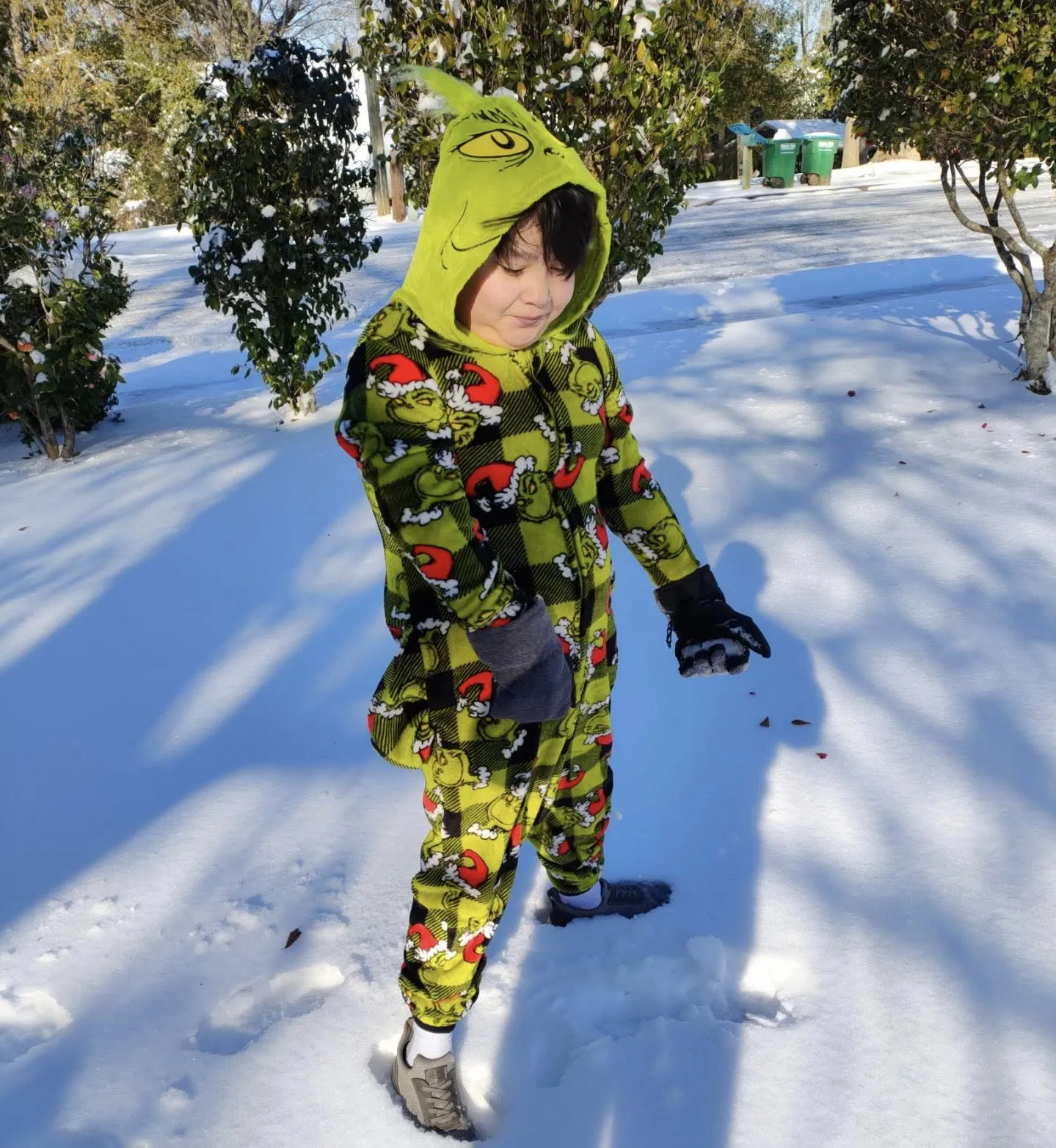
Because everyone knows what comes next. Everyone feels the ache hidden beneath them. And yet, there is still love. There is still faith. There is still a quiet kind of hope that does not shout or demand miracles, but asks only for peace.
As this family walks forward, they are surrounded by prayers, by strangers holding their story close, by people who may never meet Zach but are moved by the courage it takes to face what he is facing.
Zach is still here. He is still loved. He is still teaching those around him what strength looks like when it is wrapped in gentleness.
And perhaps that is the hope that remains. Not the hope of fixing everything, but the hope of honoring every moment. Of making sure that wherever Zach is, he knows he is safe. That he is cherished. That he is home.
Because sometimes, even in the deepest pain, love is the strongest heart of all.