It began with a complaint so small no one could have imagined where it would lead.
Nine-year-old Mikey Martinez told his mom his leg hurt.

At first, Catherine thought it was growing pains. Mikey was always moving — running in the yard with his brothers, jumping off the last stair even after being told not to, chasing a soccer ball like the world depended on it. A little soreness made sense for a boy who treated every afternoon like a championship game.
But this wasn’t soreness.
The pain lingered. Then it deepened. It began waking him up at night.
Mario noticed the way his son winced when climbing into the truck. Catherine saw the tightness in his smile when he tried to pretend he was fine. Parents know when something isn’t right, even before tests confirm it.
So they scheduled an appointment. Then another. Then scans. Then more scans.
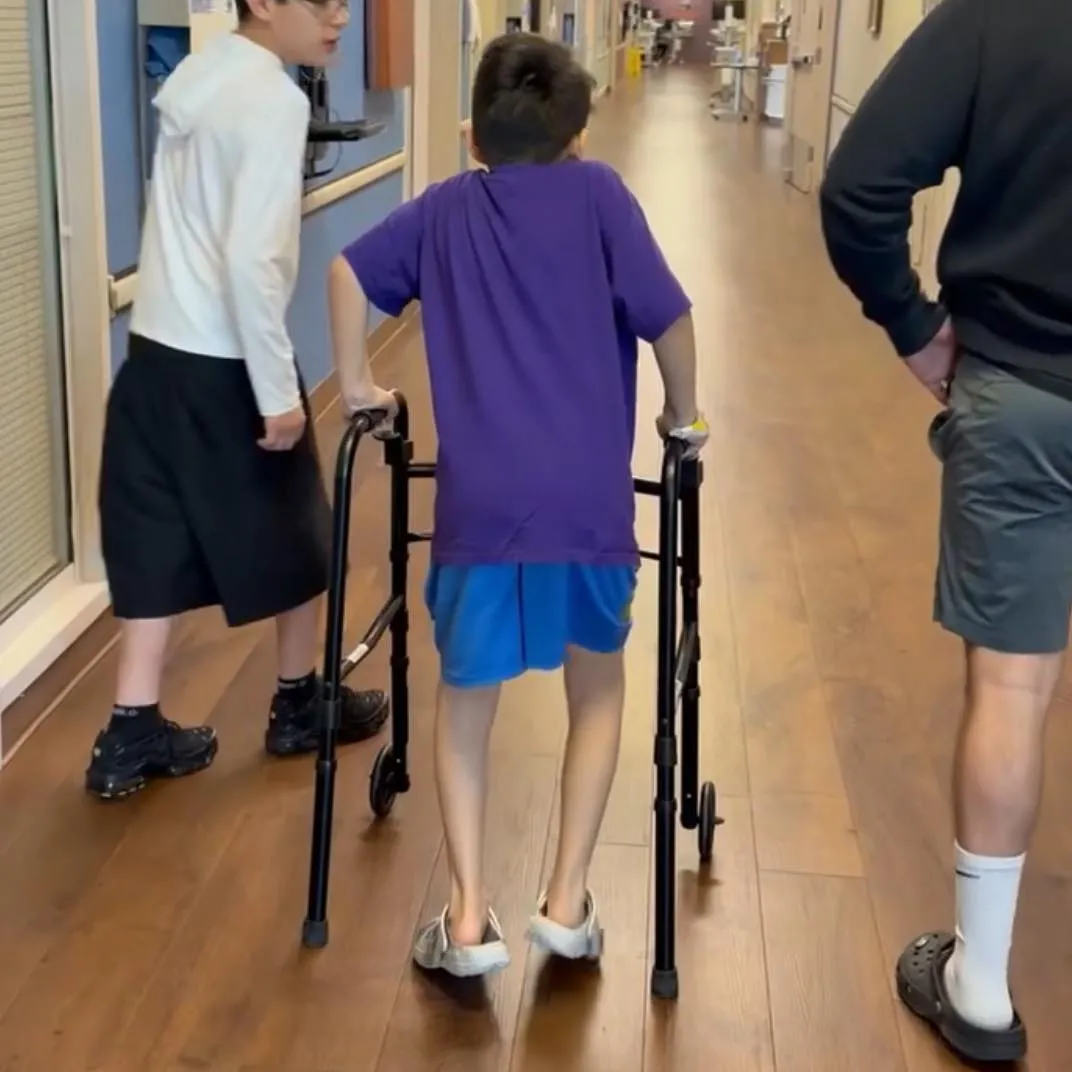
The hallway outside radiology became too familiar. The hum of machines replaced the soundtrack of normal life. Words like MRI and lesion began circling conversations in whispers children weren’t supposed to hear.
And then came the word that changed everything.
Ewing sarcoma.
A rare and aggressive bone cancer.
No parent is ready for that sentence.
Catherine says the room felt like it tilted. Mario remembers hearing the doctor’s voice but not fully processing the meaning at first. Cancer belonged in stories about other families, not in the bones of their nine-year-old son.
But it was real.
Scans revealed a tumor growing silently where strength should have been. Doctors believe it had only been there a few months, and that timing matters. Early detection matters. There is a plan.
Still, fear does not wait for treatment schedules.
It settles in immediately.
Mikey is bright — the kind of kid who asks big questions about how engines work and why the sky changes colors at sunset. He is brave in the way children often are, not because they understand danger, but because they trust the adults around them.
When his parents sat him down to explain what was happening inside his body, they chose their words carefully. They told him there were some bad cells in his bone and that doctors know how to fight them.
Mikey listened quietly. He asked if it was like a battle in a video game. He wanted to know if he would still be able to play outside.
He wanted to know if it would hurt.
How do you explain chemotherapy to a child who still believes superheroes are real? How do you describe radiation and surgery without letting fear take root?
Catherine held his hand and told him the truth wrapped in hope. The medicine would be strong because it needed to be, and there would be hard days, but none of it was his fault.
And they would never leave his side.
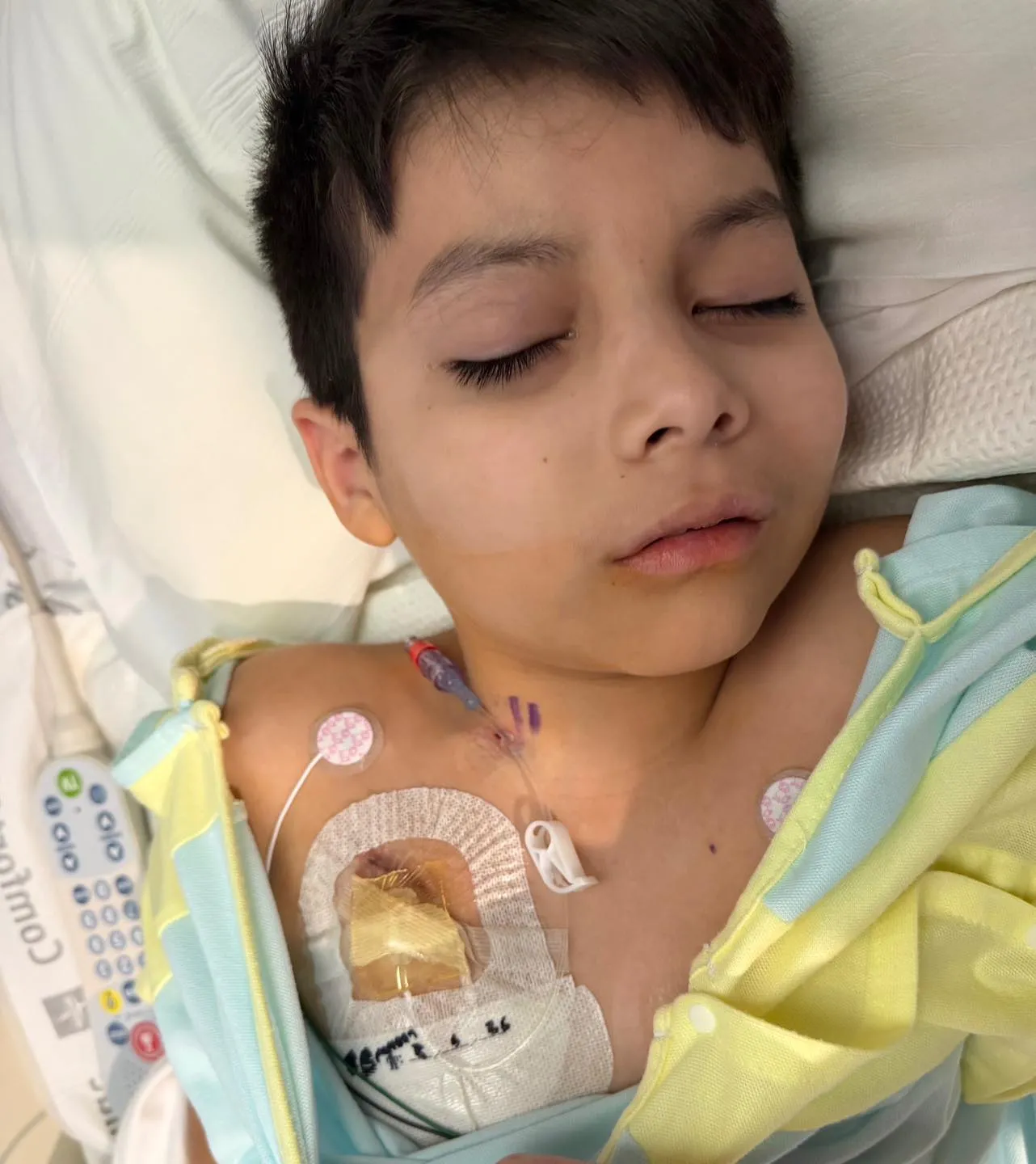
The days that followed moved in a blur of appointments and paperwork. Biopsies confirmed what doctors suspected, and treatment plans were mapped out in careful detail.
Chemotherapy begins this week. Targeted cell therapy is already being prepared if needed, and radiation and surgery will likely take place in Houston.
Words like protocol and cycle and side effects now sit on the Martinez family’s kitchen table next to school folders and cereal bowls.
Setbacks are expected. Nausea, fatigue, hair loss, risk of infection — the list feels endless.
But so is their determination.
Mikey’s siblings are trying to understand what this means for their brother. They draw him pictures, offer him the bigger half of dessert, and sit closer to him on the couch.
In quiet moments, they ask their parents if he is going to be okay.
Catherine and Mario answer with faith.
Because faith is what they have.
They believe this is curable. They believe the timing matters. They believe their boy will keep fighting.
Still, there are nights when the house grows quiet and reality presses in. Catherine scrolls through photos of Mikey in his soccer uniform, mud on his knees and joy on his face.
Mario stands in the doorway of his son’s room a little longer than usual, memorizing the shape of him sleeping peacefully before treatments begin.
Pain has entered their story. Fear has unpacked its bags.
But so has endurance.
The Martinez family is learning that strength is not loud. It’s found in early-morning drives to the hospital and in holding a child steady during blood draws.
It’s in answering the same hard questions over and over with patience and honesty.
Mikey is approaching this fight the only way a nine-year-old knows how. He wants to name his IV pole and asks if superheroes ever had to go through chemo.
There is something heartbreakingly powerful about watching a child face something so big with such simple courage.
His family has asked for one thing as treatment begins: prayer, encouragement, kindness wrapped around them like a shield.
Because while insurance may cover procedures and hospitals provide medicine, it is community that carries a family through the emotional storm.
There will be medical bills and travel expenses to Houston. There will be time away from work and the strain of fighting a rare cancer.
But heavier than any of that is watching your child endure pain meant for no one, let alone someone so young.
This is where hope becomes active. Hope looks like a message that says you are not alone.
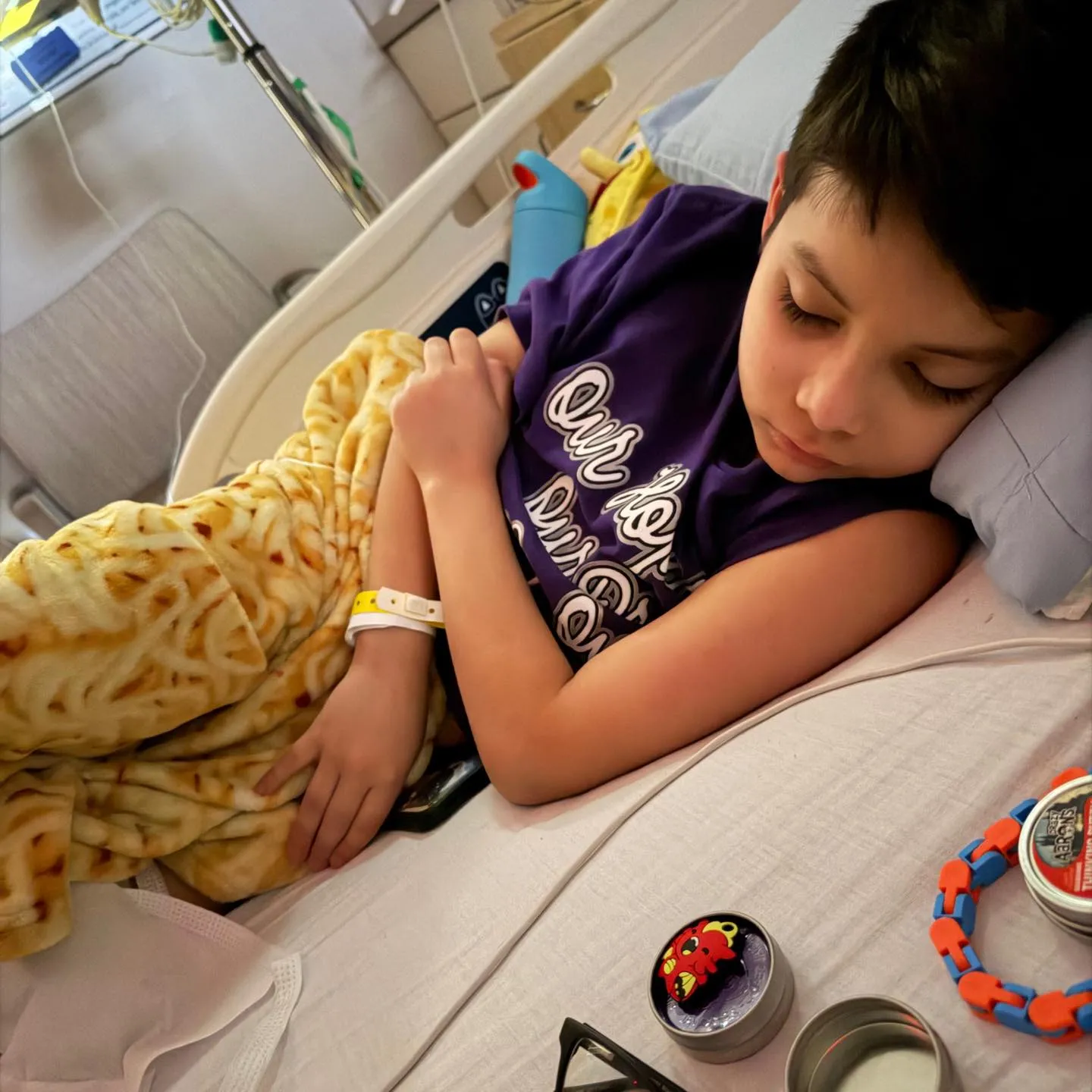
Hope looks like a donation that helps cover the next hospital trip. Hope looks like a child reading words of courage from people who believe in him.
If you have ever had to explain something big and terrifying to a child, you understand the delicate balance between truth and reassurance.
So what would you tell Mikey?
Would you tell him his body is strong and that doctors are like heroes with powerful tools? Would you tell him courage is choosing to keep going even when you’re scared?
Right now, as chemotherapy begins, Mikey Martinez needs words that build him up, not tear him down.
His parents need to feel arms around them, even from miles away.
Pain may have started this story. Fear may have tried to claim it.
But endurance is already being written in bold letters across this family’s life.
And hope — fragile but fierce — is rising with every prayer spoken in Mikey’s name.