McKenzie Andersen remembers the exact moment her life split in two, even though everything happened so fast it barely felt real.
It started like nothing at all. A bad cold during Christmas break. The kind that passes through families every winter, unwelcome but ordinary. Her mom got it. Her brother got it. They recovered within days. McKenzie didn’t. By Christmas Eve, her cough had deepened, her chest burned, and pneumonia settled into her lungs. Still, no one imagined what was coming next.

Three days later, the pain arrived.
It wasn’t in her chest anymore. It was in her neck—sharp, alarming, wrong. That night, her body began to betray her in ways no twelve-year-old could ever prepare for. Weakness crept in quietly, then rushed forward without warning. By the time doctors finished running test after test, the truth had already taken hold.
Within twenty-four hours, McKenzie was fully paralyzed from the neck down.
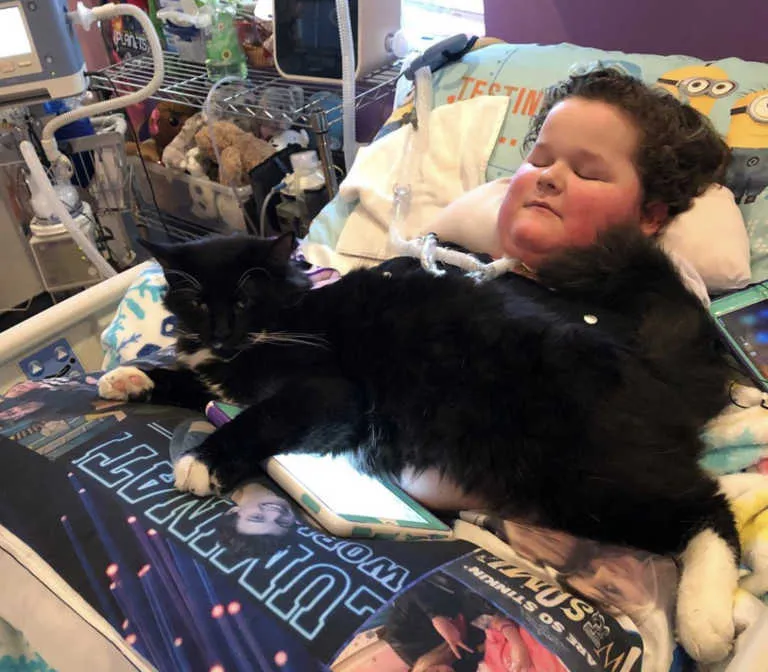
She could no longer move her arms. She could no longer move her legs. She could no longer breathe on her own. A ventilator took over the simple act of keeping her alive, and suddenly the girl who had been dancing and laughing just days before was lying still in a hospital bed, surrounded by machines she didn’t understand.
The diagnosis came with words that sounded clinical but felt devastating.
Acute Flaccid Myelitis.
A rare neurological condition triggered by Enterovirus D68, a virus related to polio. There was no cure. Only treatments. Only waiting. Only hope, fragile and undefined.
Fear arrived in waves.
Fear of never moving again. Fear of being trapped inside a body that no longer listened. Fear of what life would look like if this was permanent. McKenzie was rushed into Randall Children’s Hospital, where she would spend the next six months learning what survival actually meant.
Her thirteenth birthday passed while she was sedated.
Two full weeks disappeared into a fog of medication and procedures. When she woke, her body was different. Her future was different. Everything she knew about herself had shifted.
Before AFM, McKenzie loved to break dance.
She didn’t just follow routines—she invented them. Movement was how she expressed joy, confidence, identity. Dance filled her days and spilled into her nights. It was freedom. And suddenly, it was gone.
The loss of that freedom hit harder than the machines, harder than the needles.
For the first month in the hospital, McKenzie didn’t smile.
Not once.
Get-well cards covered her room from floor to ceiling, sent by people who wanted to help but couldn’t fix what was broken. Nurses came and went with kindness and patience that never seemed to run out. Her parents stayed by her side, holding space for grief they couldn’t erase. Still, she missed her old life so deeply it felt like mourning someone who had vanished overnight.
Setbacks came quietly and often.
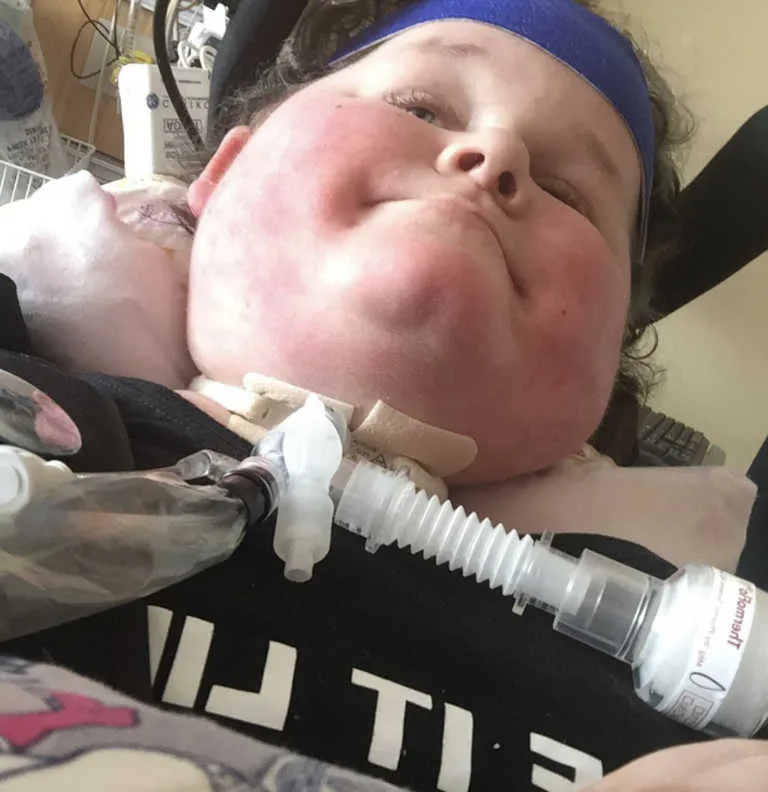
Some days, progress felt invisible. Treatments like plasma exchange, IVIG, steroids—each carried hope, but none came with guarantees. Recovery didn’t move in straight lines. It stalled. It reversed. It demanded more patience than anyone ever expected a child to have.
Eventually, McKenzie was discharged.
But “home” didn’t mean normal.
Her family lived in a hotel for a year, navigating a life built around medical needs and accessibility. The community stepped in, refusing to let them face it alone. A house was built to meet her needs. A medical bed was donated. People showed up in ways that reminded McKenzie that even when your body fails, connection does not.
She received a Make-A-Wish trip to Disney World.
It wasn’t perfect. Travel was exhausting. Illness stole some of the days she had hoped to explore. Still, it mattered. It reminded her that joy could exist alongside limitation, even when it looked different than before.
One of the most defining chapters of her recovery came later, in Baltimore.
At the Kennedy Krieger Institute, McKenzie experienced intensive therapy for the first time. The work was relentless. Muscles were retrained. Balance was challenged. Progress was measured in seconds instead of steps. One day, she held her head up on her own for three seconds with back support.
Three seconds felt like a miracle.
Endurance became her daily practice.
Not dramatic endurance. Not inspirational quotes. Just showing up. Trying again. Letting small victories count. Learning to live inside a body that demanded accommodations instead of applause.
Outside hospital walls, the world wasn’t always kind.
People stared. Some parents pulled their children away from her wheelchair, as if paralysis were contagious. Those moments stung in a way therapy couldn’t fix. McKenzie noticed them. She felt them. And then, slowly, she learned not to let them define her.
She understood something many adults never do.
Disability is not a failure of spirit.
Some people assumed she must be depressed. That her life was smaller now. Less joyful. Less meaningful. McKenzie rejected that narrative completely. She wasn’t broken. She was different. And different didn’t mean unhappy.
She found joy where she could.
In friendships that stayed. In laughter that adapted. In goals that shifted but didn’t disappear. She learned to live day by day, not because she had to, but because it made life richer. When you stop taking movement, breath, and connection for granted, everything becomes more vivid.
Hope, for McKenzie, is not about walking again or returning to who she was before.
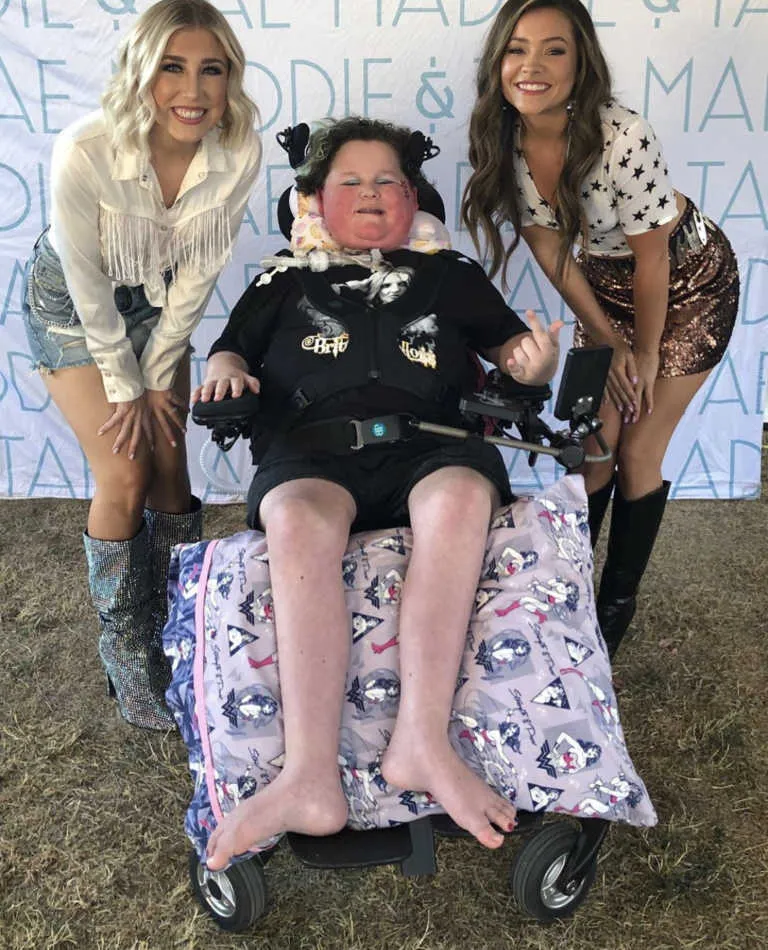
Hope is about loving the life she has.
It is about advocacy. About raising awareness for Acute Flaccid Myelitis so other families recognize the signs sooner. About encouraging people to speak up, push for answers, and refuse to shrink themselves to make others comfortable.
Her advice is simple, but it’s hard-earned.
Hold on to your friends. Advocate for yourself without apology. Do what you need to get what you need. There is no shame in survival.
McKenzie lives with paralysis.
But she also lives with ambition, courage, and joy.
She loves life. She loves the people in it. And she refuses to let a diagnosis write the ending of her story.
Because even when everything changes in twenty-four hours, purpose can still rise.
And sometimes, the bravest thing a twelve-year-old can do is decide to keep loving life anyway.