There is something unforgettable about watching a child dance in a hospital room.
Especially when that child is fighting cancer.

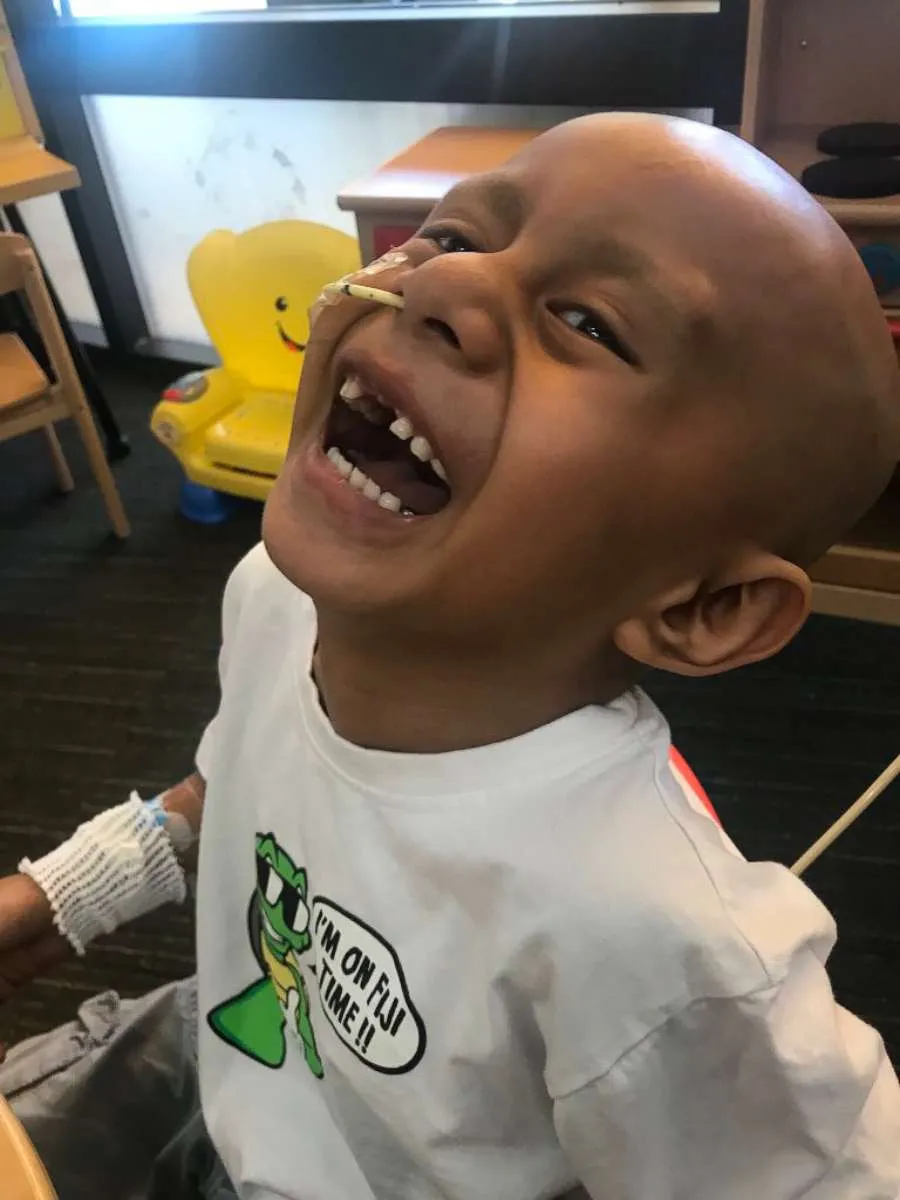
Solomon Lutui is five years old, and if you didn’t know his story, you might think he was just another kid obsessed with music and movement. He spins, snaps, and slides across the hospital floor like he owns it. He sings along with the confidence of someone far older. He throws his shoulders back and leans into the rhythm like he was born for the stage.
But Solomon is not dancing in a living room.
He is dancing at Seattle Children’s Hospital, in the middle of cancer treatment.
Pain came quietly at first.
The kind of pain that hides behind small complaints and subtle symptoms. A fever that lingered. Fatigue that didn’t feel like ordinary childhood tiredness. Doctor visits that multiplied instead of resolved. When the diagnosis finally came, it did not arrive gently.
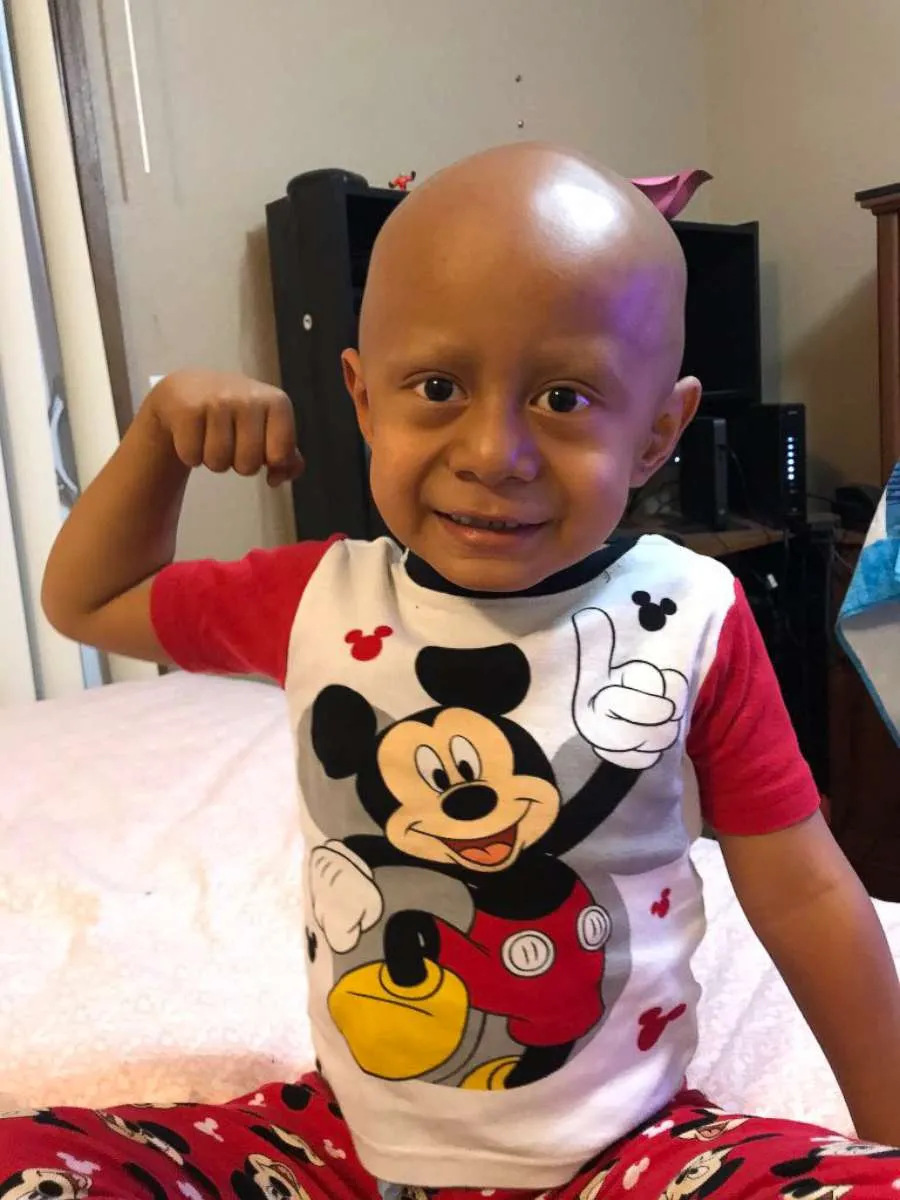
Cancer.
For a parent, that word doesn’t just land. It detonates.
Leni Lutui remembers the moment everything shifted. One day she was scheduling playdates and packing school lunches. The next, she was learning medical terminology, signing consent forms, and watching nurses connect IV lines to her son’s small arm.
Fear followed immediately.
Five-year-olds are not supposed to know the inside of oncology units. They are not supposed to understand chemotherapy schedules. They are not supposed to measure their weeks in treatments and blood counts.
But Solomon did.
Hospital stays stretched longer than anyone anticipated. Days blurred together under fluorescent lights. Machines hummed. Nurses checked vitals at all hours. The sterile scent of antiseptic replaced the familiar smells of home.
And yet, in the middle of it all, Solomon danced.
He had loved dancing since he was three. Movement came naturally to him. It was how he celebrated, how he expressed himself, how he burned off childhood energy. Recently, he had fallen in love with Michael Jackson. The music wasn’t just catchy — it was transformative.
“Billie Jean.”
“Thriller.”
“Beat It.”
And especially “Bad.”
When Solomon had to stay in the hospital for long stretches, Leni’s sister began playing music videos for him. It started as distraction — something to fill the time between treatments. But it became something much bigger.
He watched.
He studied.
He imitated.
Soon, the hospital room became his stage.
Setbacks came with treatment.
There were days when chemotherapy left him drained. Days when nausea stole his appetite. Days when lab numbers dipped and doctors grew cautious. Cancer treatment is not a straight line toward recovery. It is a jagged road filled with progress and pause, improvement and concern.
But even on difficult days, Solomon found the music.
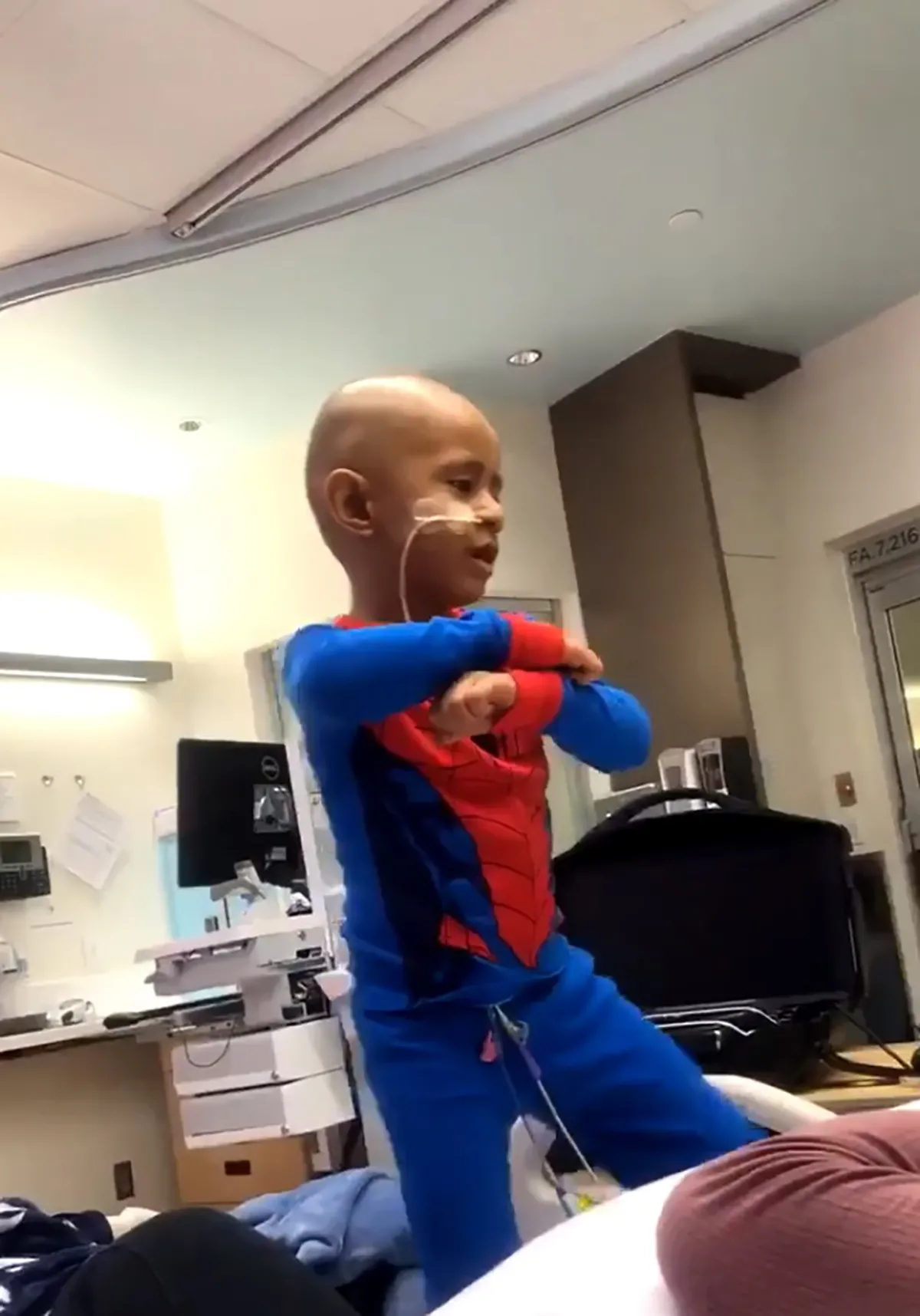
On December 7, Leni shared a video that captured something the medical charts could never show. In the clip, Solomon stands in his hospital room, IV pole nearby, singing along to Michael Jackson’s “Bad.” He throws his head back, hits the beat, and attempts the King of Pop’s legendary moves with astonishing confidence.
He does not move like a child weighed down by illness.
He moves like a performer who refuses to let the stage lights dim.
“When he had to stay in the hospital for a long time, my sister would play music videos for him and he would just imitate the moves,” Leni said. “He just brings our spirits up. He dances through treatment and you would never know he’s sick.”
That is the paradox of pediatric cancer.
From the outside, a child can look joyful and strong. Inside, their body is waging war.
Pain remains, even when it’s hidden behind rhythm.
Fear lingers, even when laughter fills the room.
There were nights when Leni sat beside Solomon’s bed after he had finally fallen asleep, the music quiet, the dancing done. In those still hours, the reality of his diagnosis pressed heavily against her heart. She worried about scans. She worried about side effects. She worried about long-term outcomes.
No amount of moonwalking erases the uncertainty of cancer.
And yet, endurance took shape in unexpected ways.
Endurance looked like showing up for every treatment appointment. It looked like celebrating small victories — stable counts, good days, strong appetite. It looked like allowing Solomon to be a child, even inside hospital walls.
Endurance also looked like pressing play.
Music became more than entertainment. It became medicine of a different kind. It lifted spirits when exhaustion set in. It reminded doctors and nurses that their patient was more than a diagnosis. It transformed a sterile room into something warmer, something alive.
Hope did not arrive in one dramatic moment.
It grew gradually, between dance breaks and doctor visits.
Hope looked like Solomon smiling at nurses before a procedure. It looked like hospital staff pausing in the hallway to watch him spin. It looked like strangers across the internet sharing his video, sending encouragement, lifting his name in support.
Hope is contagious.
And Solomon spreads it with every step.
His journey is not finished. Cancer treatment demands patience, resilience, and continued vigilance. There will be more appointments. More scans. More waiting.
But Solomon has already taught something powerful.
He has shown that joy and suffering can coexist. That courage can look like choreography. That even in the middle of a fight for your life, you can still move to the beat of your favorite song.
Pain marked the day of diagnosis.
Fear followed every test result.
Setbacks slowed his body but never his spirit.
Endurance carried him through hospital stays and chemotherapy cycles.
And hope — bright, rhythmic, undeniable hope — pulses through every dance move.
Solomon Lutui is five years old.
He is a cancer patient.
He is also a performer, a dreamer, a boy who channels Michael Jackson in a hospital room and refuses to let illness define him.
When he dances, he is not just entertaining nurses or lifting his family’s spirits.
He is declaring something far greater.
Cancer may have entered his story.
But it will not write the ending.