Easton Pinnell is a 7-year-old with an energy and toughness that make him seem like any other active second-grader. He loves baseball, swimming, fishing, and anything that keeps him moving. Yet, in late May, his life took a sudden and unexpected turn. What seemed like ordinary abdominal discomfort revealed itself to be something extraordinarily rare: Easton had a

wandering spleen, a condition so unusual that fewer than 0.5 percent of the population ever experiences it.
For his parents, Casey and Sara Pinnell, the diagnosis felt surreal. “Internal organs just don’t go missing, do they?” Casey recalled thinking when doctors first delivered the news. His dad, a middle school principal, tried to lighten the tension with a joke: “We haven’t noticed it sitting around the house or anything.” But behind the humor was genuine concern. A spleen that moves from its proper place can obstruct other organs, compromise blood flow, and create serious medical emergencies.
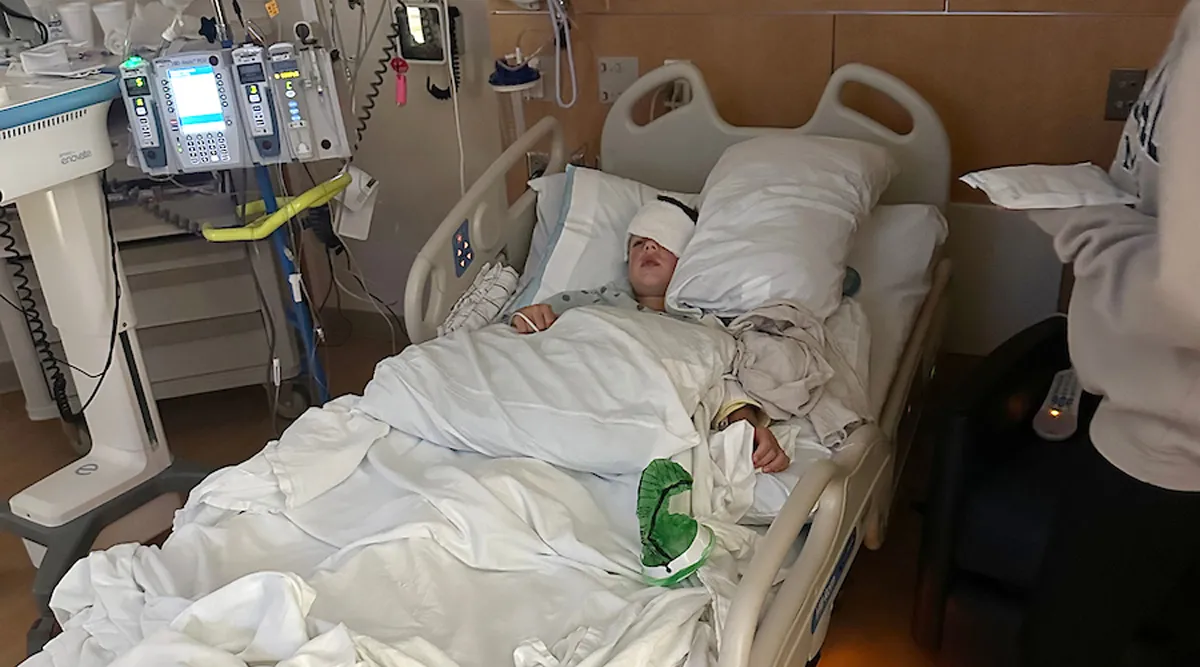
Easton’s first signs of trouble were severe abdominal pain and an inability to vomit. His parents rushed him to the emergency department at a nearby hospital, where elevated blood sugar levels prompted doctors to suspect diabetes. With no pediatric specialists available, Easton was transported 100 miles to Riley Children’s Health in Indianapolis, where a team of experts could provide the specialized care he required.
At Riley, Easton underwent a battery of tests. Pediatric endocrinologists quickly ruled out diabetes, and the gastroenterology team began investigating pancreatitis or other abdominal issues. A CT scan revealed the startling truth: Easton’s spleen had moved from its rightful place under the rib cage to a position on top of his stomach. The weight of the organ was obstructing his stomach’s drainage, a finding that explained his pain and digestive issues.
“A wandering spleen is very rare,” said Riley surgeon Dr. Troy Markel. “Normally, the spleen sits on the left side of the abdomen under the rib cage. In Easton’s case, it had flipped up onto the stomach.” The discovery left both the family and medical team in awe. Casey described the revelation as a shock: “I think it was kind of a shock to everybody.”
Initially, surgeons planned a minimally invasive laparoscopic procedure, believing that a small defect in the diaphragm might be allowing the spleen to move freely. But during the operation, Dr. Markel realized that Easton’s spleen had shifted again, prompting a switch to open surgery to better address the problem. It turned out that Easton had
diaphragmatic eventration, a condition in which a floppy diaphragm allows the spleen to move into unusual positions in the upper abdomen.
The surgical solution was precise and intricate. Dr. Markel and his team “tightened” the diaphragm, almost like performing a tiny tummy tuck, to close the space that allowed the spleen to wander. Once secured, the spleen was restored to its normal position, ensuring proper blood flow and protection for the vital organ that plays a key role in immunity.
Remarkably, Easton’s recovery was swift. By the next day, he was walking around the hospital and announcing his hunger. “He said he was hungry enough to eat 4,000 pizzas,” Casey laughed. He settled for a cheeseburger and a slice of pizza before eventually returning home to Illinois three days later.
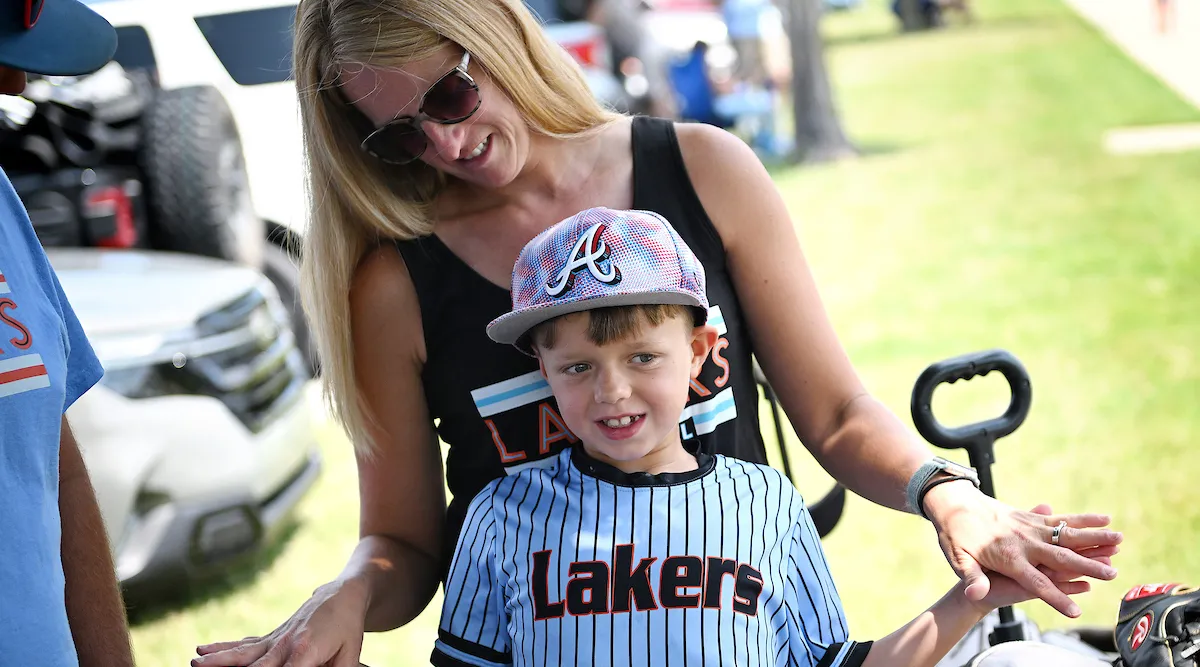
Life for a 7-year-old returned quickly to normal. Easton went swimming, played baseball, and even participated in softball tournaments with his sisters, though his parents initially tried to limit his activities to prevent strain on his healing abdomen. “It was a fight to keep him from doing things we thought he shouldn’t be doing,” Casey said. Yet, as he proved his strength and energy, it became clear that Easton was ready to resume his usual active lifestyle.
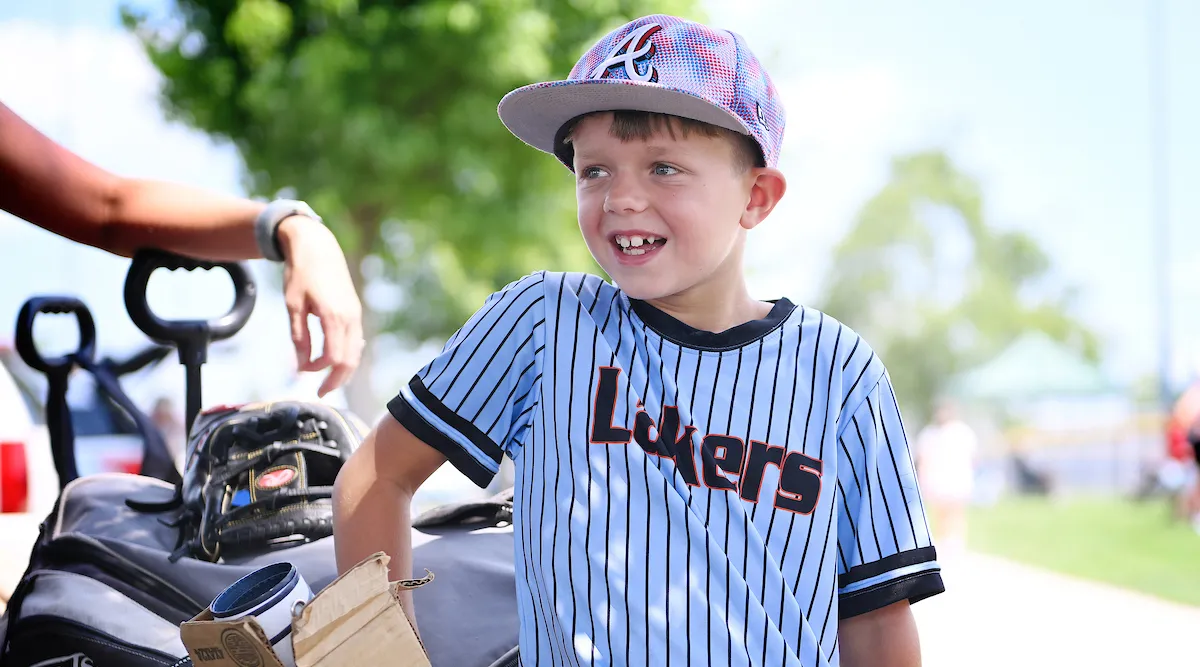
The first time he returned to the baseball field, Easton’s dad cautiously placed him in the outfield. His instructions were simple: only field balls hit directly to him. But when the first ball came his way, Easton sprinted across the field, grabbed it, and threw it with precision all the way to the pitcher’s mound from right field. His parents realized then that their protective bubble wasn’t necessary anymore.
Now fully cleared by Dr. Markel, Easton will continue participating in flag football this fall and basketball in winter. “I really don’t have any worries at this point,” said Sara Pinnell, a second-grade teacher who will be able to monitor him closely at school, as Easton will be in a classroom just across the hall.
Beyond the medical details, Easton’s story is a reminder of the resilience of children and the importance of a supportive family. He approached each challenge with determination and courage, facing a medical condition so rare that many physicians had never encountered it firsthand. The collaboration between Easton’s parents and the medical team at Riley ensured that he received the specialized care necessary for a safe and full recovery.
While the technical aspects of the surgery were critical, the human elements were just as important. Nurses, anesthesiologists, surgical staff, and support personnel all played vital roles, monitoring Easton and ensuring his recovery progressed without complications. The care extended beyond the operating room to the intensive post-operative support, guiding him back to normal activities.
Easton’s story also serves to educate families and communities about the complexity of rare medical conditions. “It’s unusual, and it’s not something most people have heard of,” Dr. Markel said. “But with proper diagnosis and surgical care, children can return to full, active lives.”
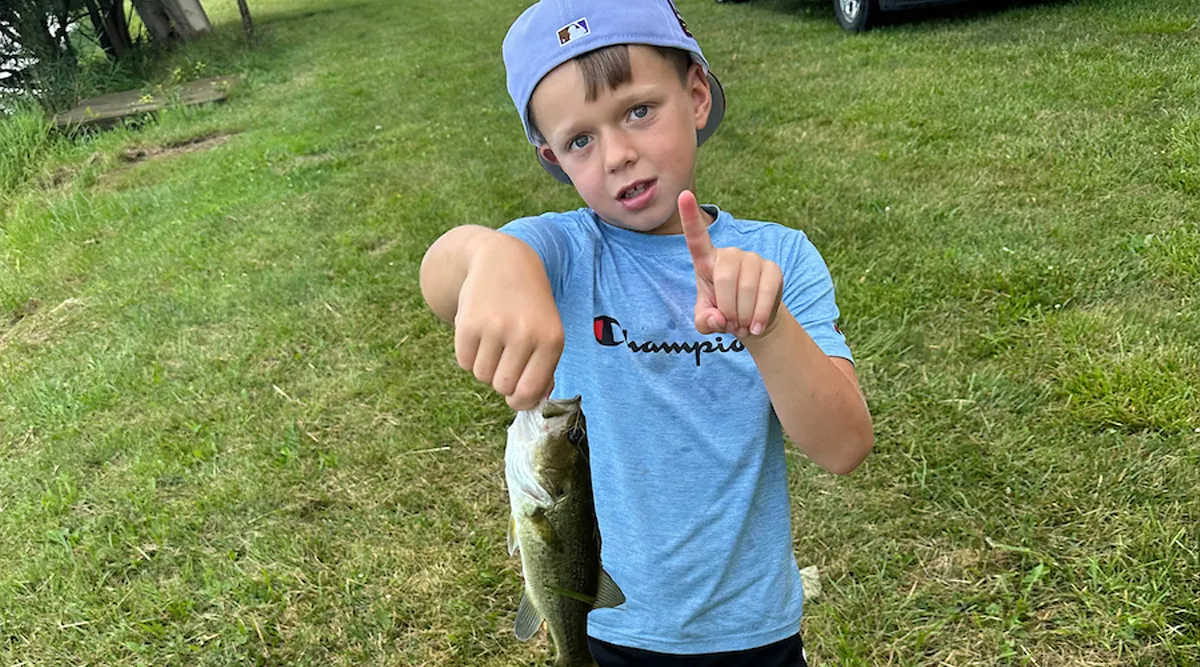
For the Pinnells, the experience was a mix of fear, worry, and eventual relief. The family’s humor and positive outlook helped them navigate the uncertainty, and Easton’s rapid recovery reinforced their faith in his resilience. His parents now celebrate every milestone, whether on the field, at home, or simply enjoying daily routines without the shadow of medical uncertainty.
Easton’s story is a testament to courage, medical expertise, and the power of parental advocacy. It highlights the rare intersection of a child’s strength, dedicated healthcare providers, and a family willing to navigate the unknown to ensure their child thrives. From the moment the wandering spleen was discovered to the successful surgical repair and Easton’s return to school and sports, this journey reflects hope in the face of medical complexity.
As he continues to grow, play, and explore, Easton Pinnell embodies the promise that children can overcome even the rarest challenges with proper care and unwavering family support. His laughter on the baseball field, his quick recovery, and the love surrounding him stand as proof that hope, resilience, and skilled medical intervention can turn a frightening diagnosis into a story of triumph.