There is a particular kind of fear that settles into a mother’s voice when she reaches out for prayer, a fear so raw it doesn’t need explanation. Marie’s message carries that weight. You can hear it in what she doesn’t say as much as what she does.

She is really, really scared, and with good reason. Her twins, Malachi and Mi’Lani, entered the world nearly four months too early, and since December 1st, their entire lives have unfolded inside the NICU.
Their due date was supposed to be March 24th. Marie likely imagined that spring day in pieces long before it arrived, a future filled with tiny clothes, first cries in her arms, and the slow unfolding of motherhood. Instead, complications from an incompetent cervix forced her body into labor at just 23 weeks and 6 days.
When Malachi and Mi’Lani were born, they were not met with celebration, but with urgency. Their first breaths were taken under fluorescent lights, surrounded by machines that immediately became responsible for keeping them alive.
Pain arrives quickly in stories like this, but it does not strike once and leave. It stays. It lingers in the sound of ventilators, in the sterile smell of hospital corridors, in the ache of a mother who cannot do the most basic thing her instincts demand.
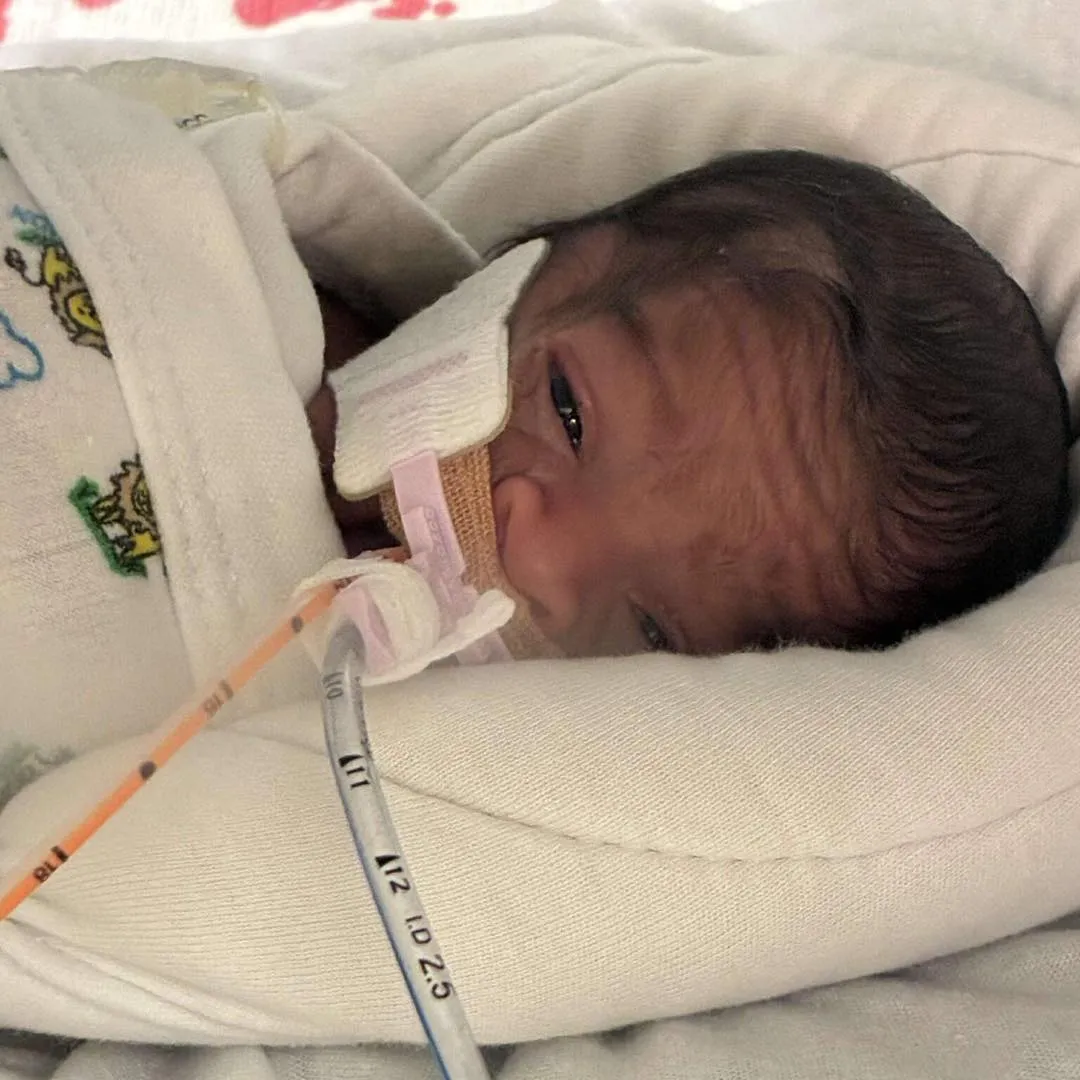
Marie cannot hold her babies. She cannot cradle them against her chest or soothe them with her touch. She can only watch, wait, and hope that the machines do what her body could not finish.
Fear followed almost immediately, piling on top of pain before there was time to process what had already been lost. Premature birth at this stage is a relentless roll of the dice, and Marie has learned far more medical language than any parent ever should.
Malachi, her son, is battling a stage four brain bleed, a diagnosis that carries terrifying implications for survival and long-term outcomes. As if that were not enough, he has also survived NEC, a life-threatening intestinal disease that strikes the smallest and most vulnerable infants without warning.
His sister, Mi’Lani, has faced her own brutal fight. She too developed NEC, and for her, the disease demanded an unthinkable price. Doctors were forced to remove most of her small intestine to save her life. It is a sentence that feels impossible to reconcile with the word baby.
She is just beginning life, and already her body has endured surgeries and losses that no human being should have to face, let alone a child who has not yet known her mother’s arms.
Setbacks are constant companions in the NICU. Just when there is a flicker of good news, another complication rises. Numbers improve, then fall. One step forward is followed by two steps back. For Marie and her family, time has lost its familiar shape.
Days are no longer measured by calendars, but by hours. Sometimes by minutes. They live in a suspended state, bracing themselves for updates, knowing that any phone call could shift everything.
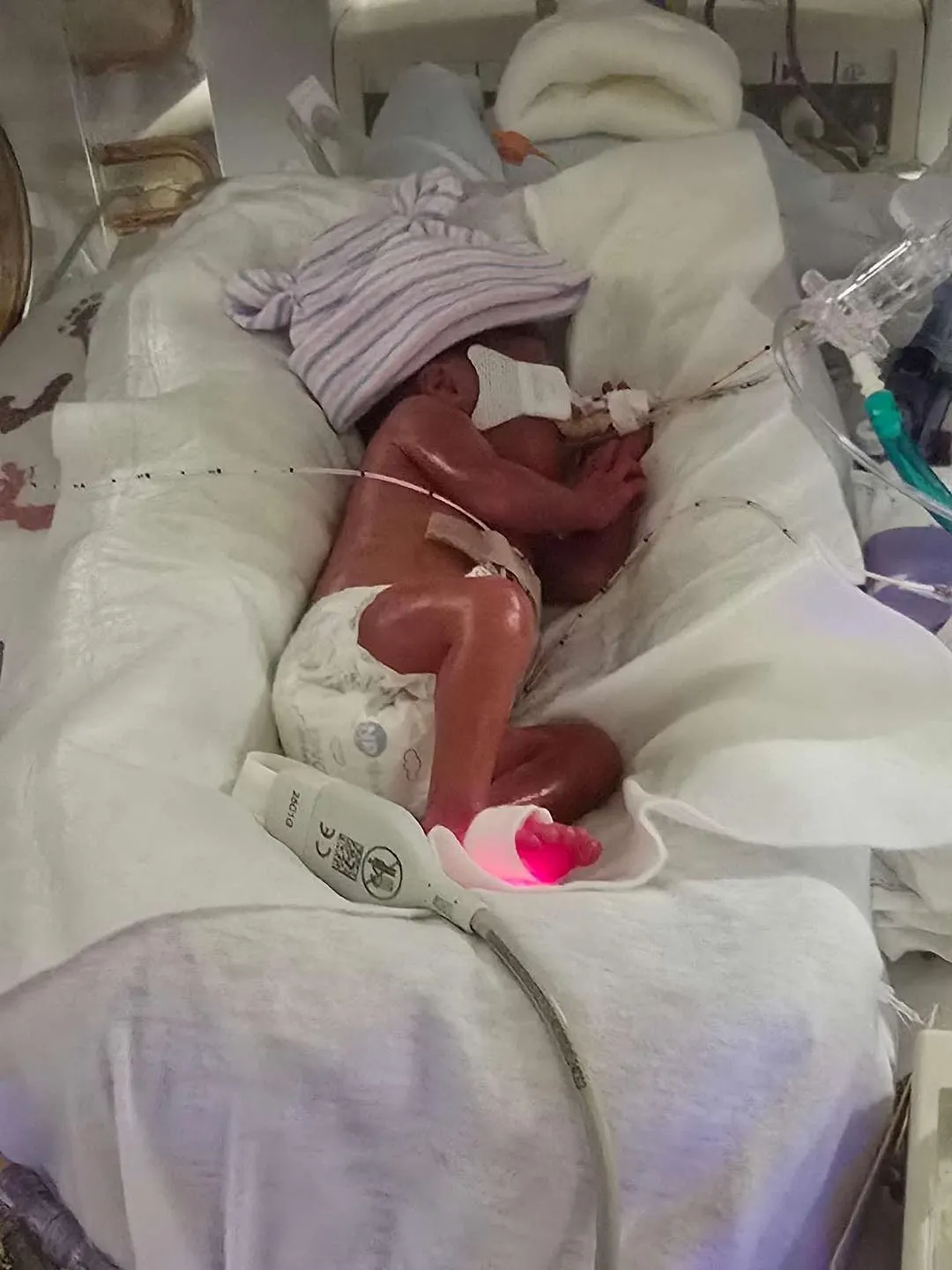
There is a unique cruelty in watching your children fight battles you cannot fight for them. Marie stands at the edge of her twins’ lives, present but powerless, loving them fiercely while knowing love alone cannot heal bleeding brains or damaged intestines. Fear becomes physical in moments like this. It tightens the chest. It steals sleep. It makes every decision feel heavy and every silence feel ominous.
And yet, endurance begins to take root even here. Endurance does not look like confidence or optimism. It looks like showing up every day to the NICU, even when the outcome feels uncertain. It looks like learning how to read monitors, how to ask questions, how to breathe through answers that are never simple.
Endurance is Marie whispering prayers over incubators, believing that her voice matters even when her hands cannot reach her babies.
Endurance also lives in Malachi and Mi’Lani themselves. They are impossibly small, their bodies unfinished, their systems fragile, yet they keep holding on. Malachi has already survived what many babies do not. Mi’Lani has endured surgery that changed her future before it truly began. Their existence is a quiet act of resistance against odds that do not favor them.
Hope, in this space, is fragile but stubborn. It does not come in grand declarations or guaranteed outcomes. It comes in the smallest signs. A stable number. A night without crisis. A doctor using the word “encouraging,” even cautiously. Hope lives in the belief that these babies are still here for a reason, even when that reason feels impossibly hard to understand.
Marie’s family is learning how to hold both hope and heartbreak at the same time. They pray not for certainty, but for strength. They pray for their twins to keep holding on, one breath at a time. They pray for the ability to endure whatever comes next.
And Marie reaches out, not because she expects strangers to fix what is broken, but because she knows isolation makes fear louder.
Stories like this remind us how thin the line can be between ordinary life and unimaginable struggle. One moment, Marie was pregnant, counting down to a spring due date. The next, she was the mother of two critically ill premature babies, navigating a world she never asked to enter. Nothing about this journey is fair, and none of it is easy.
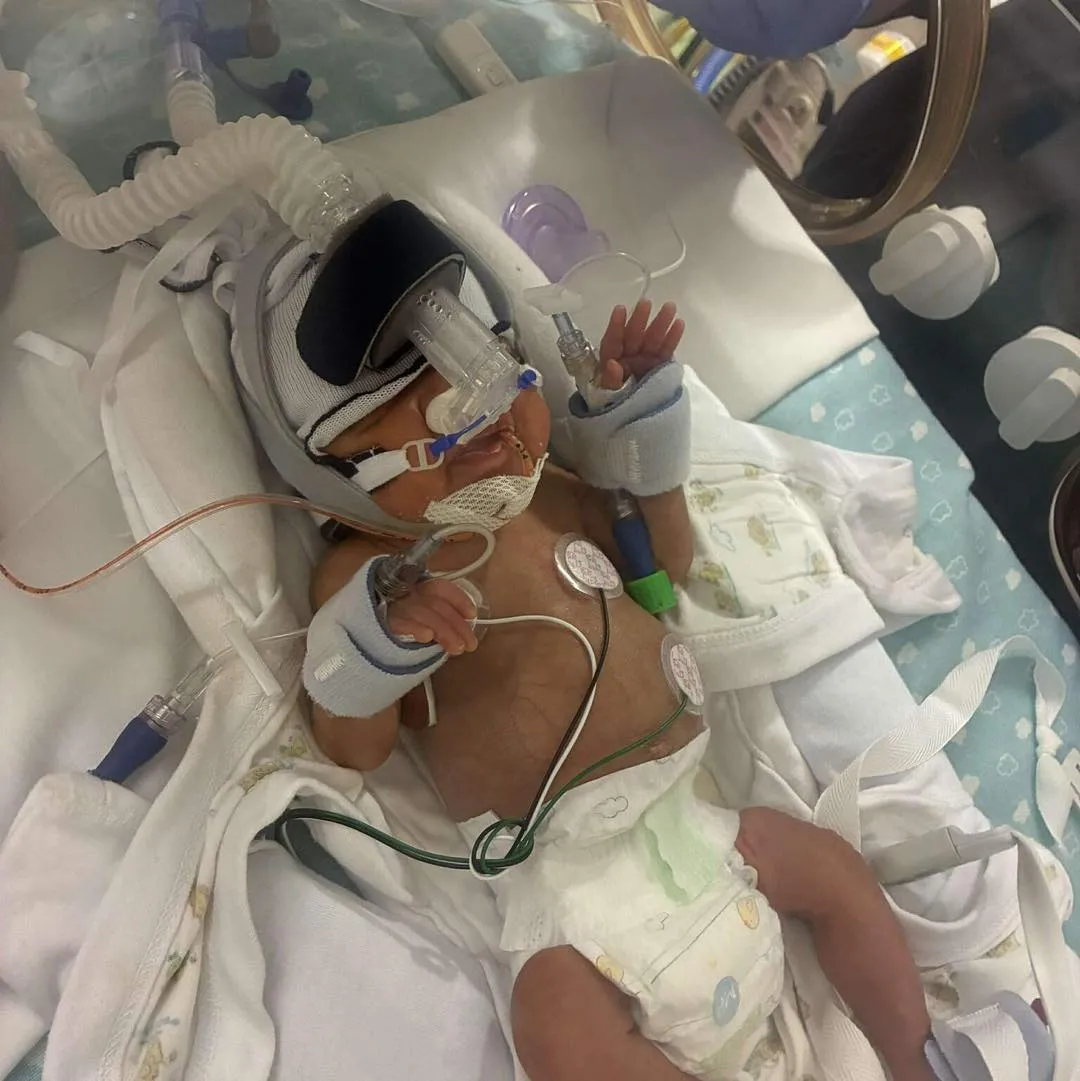
What Malachi and Mi’Lani are facing is not just medical. It is human. It is emotional. It is spiritual. It asks everyone involved to find courage in places they did not know existed. And it asks the rest of us to pause, to recognize that sometimes the most powerful thing we can offer is presence, even from afar.
If you have ever wondered whether prayers matter, this is one of those moments where they do. Marie needs to know that her babies are seen, that their fight matters beyond the walls of the NICU. She needs to know that she is not carrying this fear alone, that there are people willing to sit with her in the uncertainty.
Malachi and Mi’Lani are just babies. Their lives have already been defined by tubes, surgeries, and survival. But their story is still being written, hour by hour, breath by breath. Hope remains, fragile but alive, as long as they are here.
So pause for a moment. Lift their names. Send Marie words that remind her she is not invisible in this fear. In the quiet, relentless world of the NICU, knowing you are not alone can be the thing that helps you keep standing.