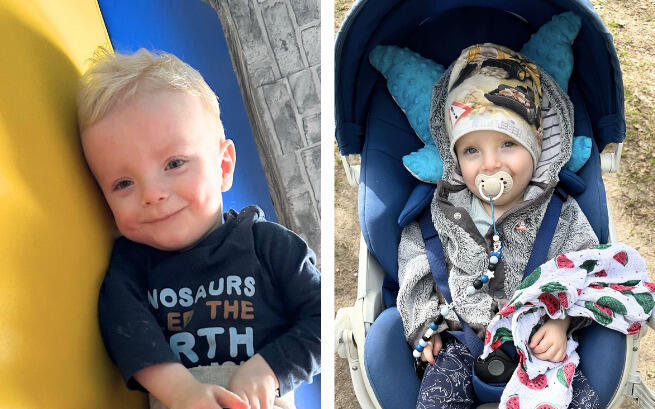
When Karolina looks at her son Alex, she doesn’t see diagnoses, medical charts, or grim prognoses. She sees a little boy who fought for his life before he ever had a chance to live it. She sees a child whose smile—fragile but determined—has become the anchor holding their family together through years of fear, exhaustion, and uncertainty.
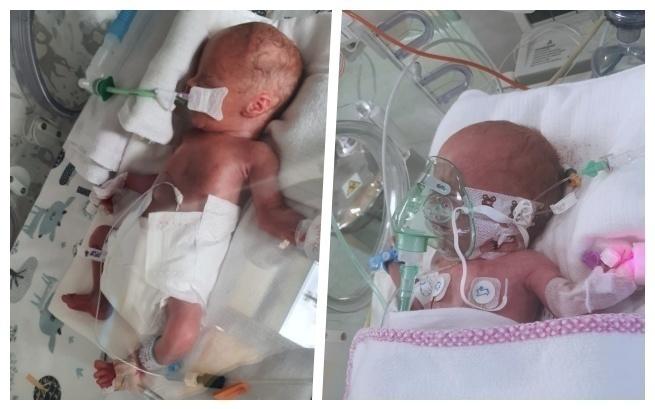
Alex’s life began far too early. At just 28 weeks of pregnancy, Karolina was rushed into emergency labor. One moment, her baby was safe beneath her heart. The next, he was born weighing less than a kilogram, taken away immediately by doctors, silent and motionless. He scored just 1 on the Apgar scale. His condition was critical. Almost immediately, Karolina learned her newborn son had a heart defect.
“I cried constantly,” she recalls. “I was terrified I would lose him.”
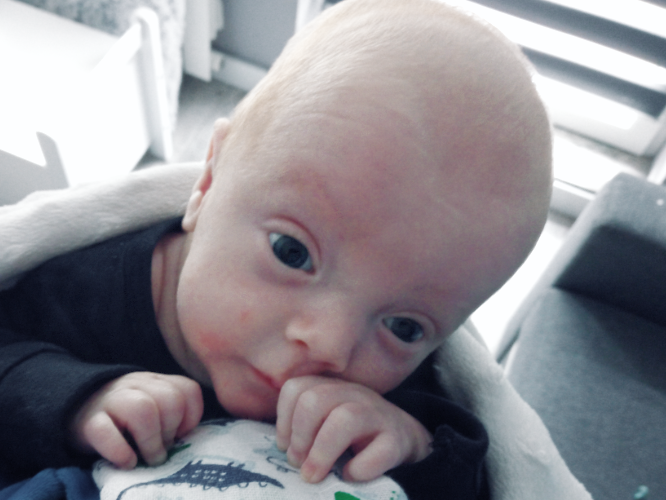
While other mothers around her held healthy newborns—pink, crying, hungry—Karolina lay alone, separated so she wouldn’t have to witness the joy she feared she might never know. Alex didn’t cry. He fought silently, surrounded by machines, wires, and alarms.
The days that followed blurred into a nightmare. Karolina spent every hour praying—not for milestones or miracles, but for one more hour of her son’s life. Doctors warned her daily to prepare for the worst. Alex suffered a brain hemorrhage. His skull base began to separate. His vision deteriorated rapidly. Eventually, he was transferred to another hospital, where surgeons implanted a Rickham reservoir to manage fluid in his brain. Blood transfusions followed—eight in total—each one a reminder of how fragile his tiny body was.
Even back in the neonatal intensive care unit, the suffering did not stop. Painful daily punctures were required to drain fluid. Karolina watched helplessly as her newborn endured more pain than most adults ever face. “I can’t even describe the agony of watching your baby suffer like that,” she says.
Then came another devastating blow. Alex required emergency intestinal surgery that lasted through the night. When it was over, doctors told Karolina her son would now live with an intestinal stoma. She felt her strength slipping—but she did not let go.
Against all odds, Alex survived.
But survival came at a cost.
Now, Alex is two years old. Instead of running, crawling, or exploring the world like other toddlers, he is still learning the most basic movements. Extensive surgeries, repeated infections, and long-term exposure to powerful antibiotics—needed to save his life—have left his muscles severely weakened. He cannot roll over, sit up, or crawl. His body, so young, has already been pushed beyond its limits.
Even eating and drinking are daily battles. Alex cannot drink from a bottle. Water must be given with a syringe or spoon. Every meal has to be carefully blended into a smooth puree, because even the smallest lump triggers a gag reflex. Nothing comes easily.
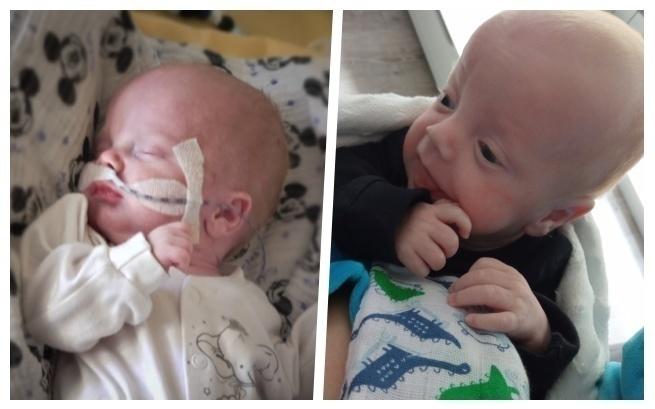
When doctors used the words “profound disability,” Karolina felt the ground disappear beneath her feet. “It was a huge blow,” she admits. “I felt completely helpless. But I also knew I couldn’t give up.”
Alex’s challenges don’t stop there. He has severe vision problems: one eye farsighted, the other nearsighted. He suffers from astigmatism, cataracts in one eye, and strabismus. Regular brain ultrasounds are needed to monitor malacia—damage to brain tissue—and recent scans have shown his ventricles are becoming increasingly dilated. Each appointment brings new fears, new questions, and no clear answers.
And still, Alex fights.
His only real hope now is intensive, highly specialized rehabilitation—daily therapy designed to help his body relearn what illness and trauma took away. Physical therapy, massages, medical equipment, and long-term care are essential if Alex is to have any chance at independence. But the costs are overwhelming.
Karolina is not only Alex’s mother—she is also caring for four other children. Their family is stretched thin, emotionally and financially. Despite her exhaustion, she remains unwavering in her love and determination.
“I thank God every day that Alex is with us,” she says. “His smile gives me strength. His will to fight gives me hope.”
But hope alone is not enough.
Alex needs help. He needs rehabilitation, medical equipment, and ongoing care that his family simply cannot afford on their own. Every donation, every shared story, every act of kindness brings him closer to a future where he can sit, move, see more clearly, and experience life beyond hospital walls.
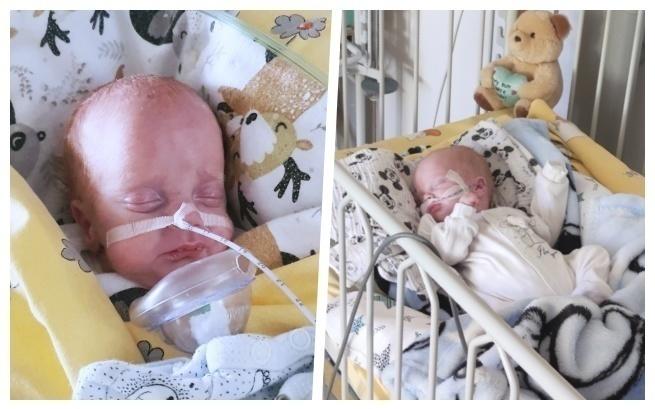
“I am begging you,” Karolina says quietly. “Please don’t leave us alone in this fight. Give my son a chance at a future.”
Alex has already survived the impossible. Now, with support, compassion, and continued care, he may finally be given the chance not just to survive—but to live.
Page 2
When Karolina looks at her son Alex, she doesn’t see diagnoses, medical charts, or grim prognoses. She sees a little boy who fought for his life before he ever had a chance to live it. She sees a child whose smile—fragile but determined—has become the anchor holding their family together through years of fear, exhaustion, and uncertainty.
Alex’s life began far too early. At just 28 weeks of pregnancy, Karolina was rushed into emergency labor. One moment, her baby was safe beneath her heart. The next, he was born weighing less than a kilogram, taken away immediately by doctors, silent and motionless. He scored just 1 on the Apgar scale. His condition was critical. Almost immediately, Karolina learned her newborn son had a heart defect.
“I cried constantly,” she recalls. “I was terrified I would lose him.”
While other mothers around her held healthy newborns—pink, crying, hungry—Karolina lay alone, separated so she wouldn’t have to witness the joy she feared she might never know. Alex didn’t cry. He fought silently, surrounded by machines, wires, and alarms.
The days that followed blurred into a nightmare. Karolina spent every hour praying—not for milestones or miracles, but for one more hour of her son’s life. Doctors warned her daily to prepare for the worst. Alex suffered a brain hemorrhage. His skull base began to separate. His vision deteriorated rapidly. Eventually, he was transferred to another hospital, where surgeons implanted a Rickham reservoir to manage fluid in his brain. Blood transfusions followed—eight in total—each one a reminder of how fragile his tiny body was.
Even back in the neonatal intensive care unit, the suffering did not stop. Painful daily punctures were required to drain fluid. Karolina watched helplessly as her newborn endured more pain than most adults ever face. “I can’t even describe the agony of watching your baby suffer like that,” she says.
Then came another devastating blow. Alex required emergency intestinal surgery that lasted through the night. When it was over, doctors told Karolina her son would now live with an intestinal stoma. She felt her strength slipping—but she did not let go.
Against all odds, Alex survived.
But survival came at a cost.
Now, Alex is two years old. Instead of running, crawling, or exploring the world like other toddlers, he is still learning the most basic movements. Extensive surgeries, repeated infections, and long-term exposure to powerful antibiotics—needed to save his life—have left his muscles severely weakened. He cannot roll over, sit up, or crawl. His body, so young, has already been pushed beyond its limits.
Even eating and drinking are daily battles. Alex cannot drink from a bottle. Water must be given with a syringe or spoon. Every meal has to be carefully blended into a smooth puree, because even the smallest lump triggers a gag reflex. Nothing comes easily.
When doctors used the words “profound disability,” Karolina felt the ground disappear beneath her feet. “It was a huge blow,” she admits. “I felt completely helpless. But I also knew I couldn’t give up.”
Alex’s challenges don’t stop there. He has severe vision problems: one eye farsighted, the other nearsighted. He suffers from astigmatism, cataracts in one eye, and strabismus. Regular brain ultrasounds are needed to monitor malacia—damage to brain tissue—and recent scans have shown his ventricles are becoming increasingly dilated. Each appointment brings new fears, new questions, and no clear answers.
And still, Alex fights.
His only real hope now is intensive, highly specialized rehabilitation—daily therapy designed to help his body relearn what illness and trauma took away. Physical therapy, massages, medical equipment, and long-term care are essential if Alex is to have any chance at independence. But the costs are overwhelming.
Karolina is not only Alex’s mother—she is also caring for four other children. Their family is stretched thin, emotionally and financially. Despite her exhaustion, she remains unwavering in her love and determination.
“I thank God every day that Alex is with us,” she says. “His smile gives me strength. His will to fight gives me hope.”
But hope alone is not enough.
Alex needs help. He needs rehabilitation, medical equipment, and ongoing care that his family simply cannot afford on their own. Every donation, every shared story, every act of kindness brings him closer to a future where he can sit, move, see more clearly, and experience life beyond hospital walls.
“I am begging you,” Karolina says quietly. “Please don’t leave us alone in this fight. Give my son a chance at a future.”
Alex has already survived the impossible. Now, with support, compassion, and continued care, he may finally be given the chance not just to survive—but to live.