When Cam was born in 2020, nothing looked the way it was supposed to. Within moments, it became clear that something was terribly wrong. His tiny chest worked too hard. His breaths came fast, shallow, and strained. What should have been a peaceful beginning turned into an urgent race to save a life that had barely begun.
Almost immediately, Cam was transferred to Golisano Children’s Hospital for specialized care, while his parents followed behind in shock, fear, and disbelief, still trying to process that their newborn was fighting just to breathe.

Doctors moved quickly, running tests and monitoring every breath, every heartbeat. The diagnosis came soon after: persistent pulmonary hypertension of the newborn, known as PPHN. It is a rare and life-threatening condition where a baby’s lungs cannot adapt to breathing outside the womb, causing dangerously low oxygen levels throughout the body.
For Cam, it meant that no matter how hard he tried, oxygen simply wasn’t reaching his organs the way it should. His body was doing everything it could, but it wasn’t enough.
The medical team began treatment immediately. Ventilators. Medications. Advanced respiratory support. Each intervention came with hope, and each passing hour carried tension. His parents stood at his bedside, watching wires and tubes surround a baby they had barely held, listening to alarms they didn’t yet understand but would soon recognize by sound alone.
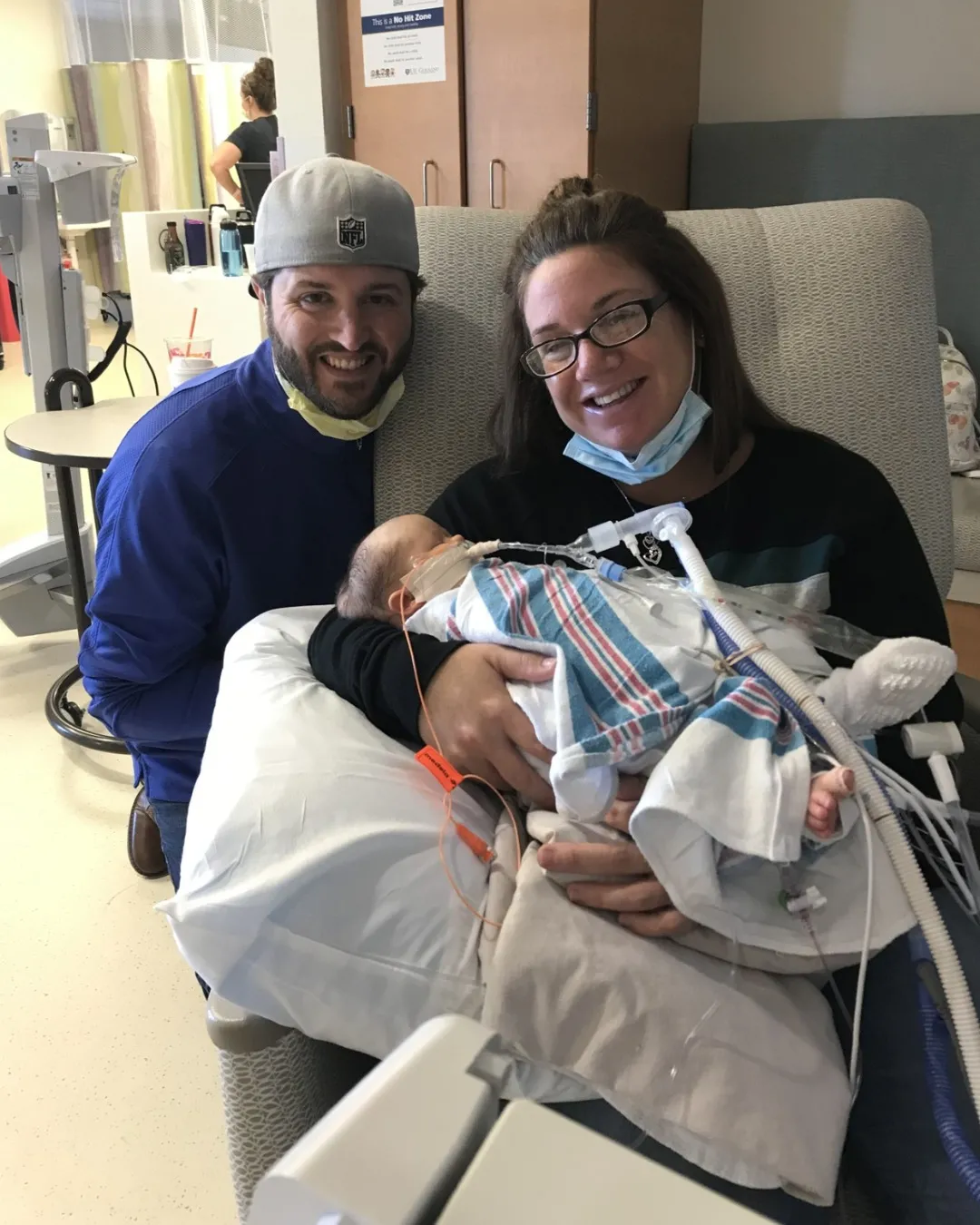
They learned quickly that time in the NICU moves differently. Minutes feel endless. Silence feels dangerous. And every update can change everything.
Despite every available treatment, Cam continued to struggle. His oxygen levels remained unstable. His lungs were not responding the way doctors had hoped. The team reached a point no parent ever wants to hear: they had exhausted all conventional options. Without something more, Cam’s body would not be able to recover on its own.
That was when doctors made the decision to place Cam on ECMO.
ECMO—extracorporeal membrane oxygenation—is a form of life support that temporarily takes over the work of the heart and lungs, allowing the body time to rest and heal. For newborns, it is often a last resort. It is complex. It is risky. And it requires extraordinary coordination, technology, and care. It also depends heavily on donated blood products, making blood donors an unseen but absolutely vital part of the process.
For Cam’s parents, agreeing to ECMO meant placing their son’s life into the hands of medicine, technology, and strangers whose skill they had no choice but to trust. It meant signing consent forms with shaking hands. It meant preparing for outcomes no one ever wants to imagine. And it meant hoping—desperately—that their baby would be strong enough to use the time ECMO could give him.
Cam spent four days on ECMO. Four days where machines breathed for him, oxygenated his blood, and carried the weight his body could not. Every hour was watched closely. Every change was scrutinized. His parents learned how to live inside that fragile space between hope and fear, where improvement is measured in the smallest signs and setbacks feel overwhelming.
Behind the scenes, donated blood products flowed through the circuit that was keeping Cam alive. People Cam would never meet gave pieces of themselves so that his body could keep going. Their generosity became part of his story, even if he would grow up never knowing their names.
Slowly, almost imperceptibly at first, Cam began to improve. His lungs started responding. His oxygen levels stabilized. The numbers on the monitors shifted in the right direction. One by one, doctors began preparing for the moment that felt both terrifying and miraculous—removing him from ECMO.
When Cam was finally taken off life support, it marked a turning point. The most dangerous chapter was behind him, but the journey was far from over. He remained in the hospital for weeks, recovering, growing stronger, and learning how to breathe without assistance. In total, Cam spent nearly 50 days in the hospital, days filled with waiting, watching, and learning how to celebrate progress that came in inches rather than leaps.
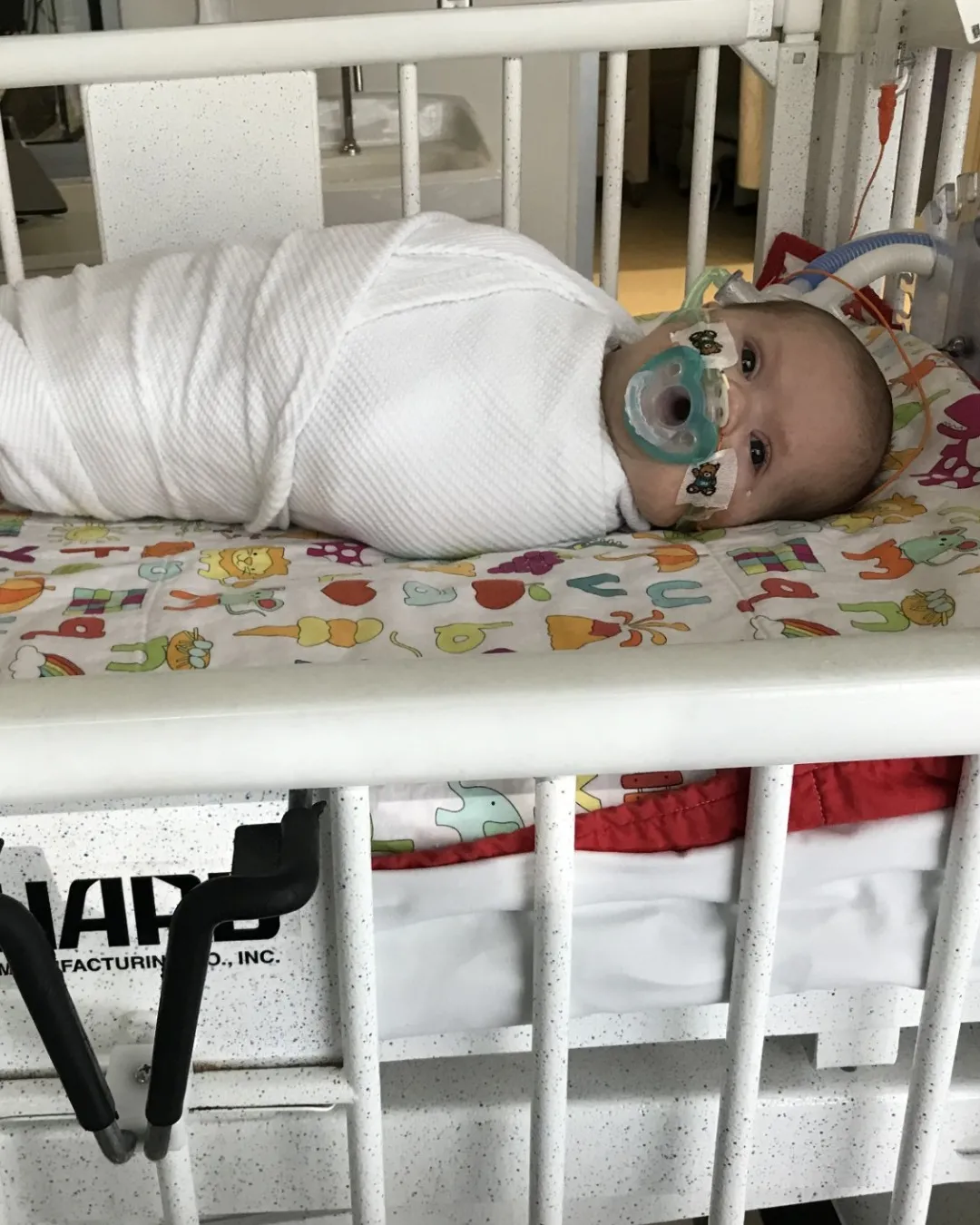
His parents learned how to be patient in ways they never expected. They learned to hold joy and fear at the same time. They learned that healing is rarely linear, and that strength can look like simply making it through another day.
And then, one day, the moment they had dreamed about finally arrived.
Cam went home.
Not with machines. Not with constant alarms. But with the steady rhythm of normal life beginning to take shape. His parents carried him out of the hospital knowing how close they had come to losing him, knowing that every breath felt like a gift they would never again take for granted.
Time passed. Cam grew.
The baby who once depended on machines to breathe learned to crawl, then walk, then run. The hospital memories faded into the background as life filled in the spaces they once occupied. The scars of those early days remained, but they no longer defined him.
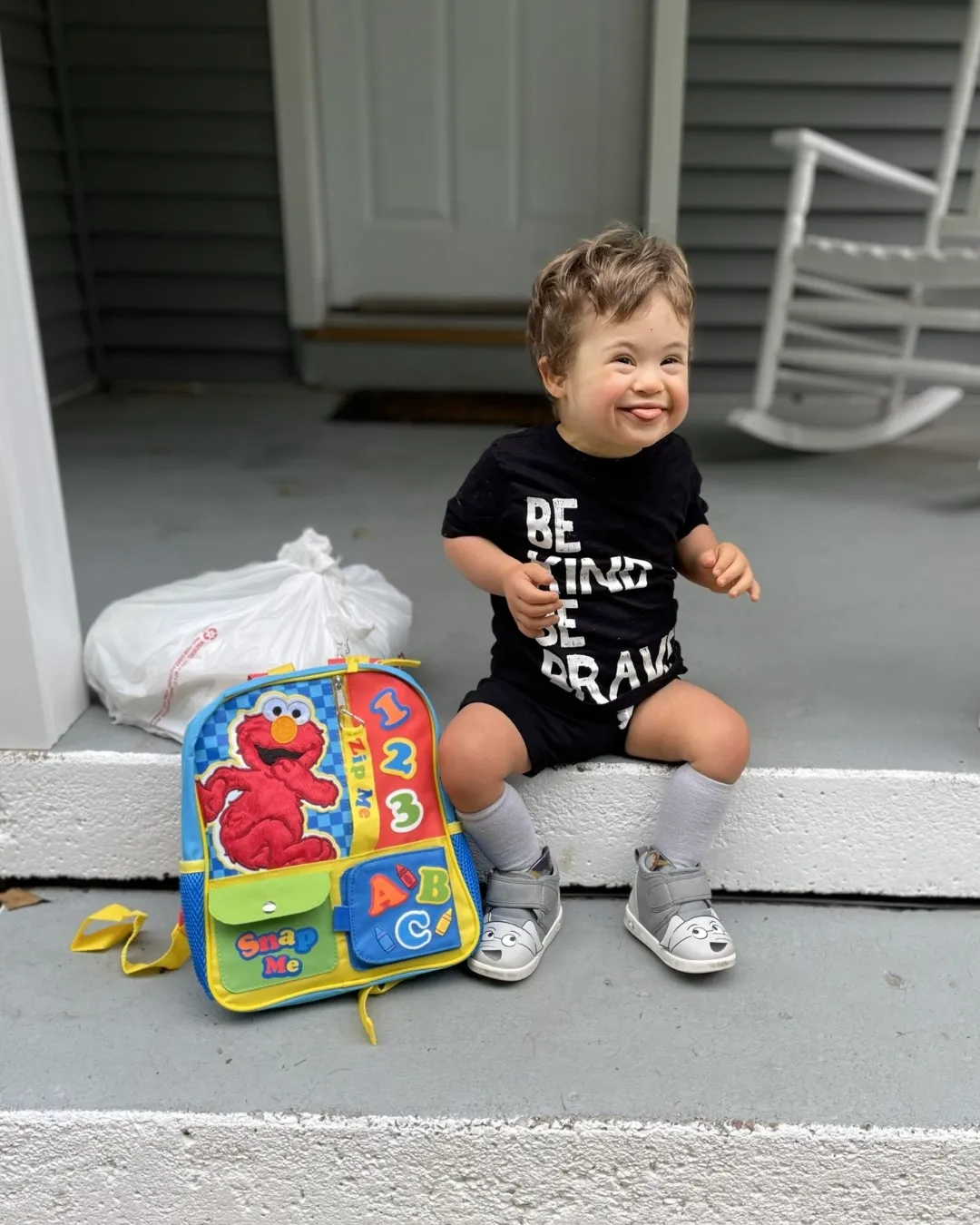
Today, Cam is a thriving five-year-old kindergartner.
He wakes up in the morning thinking about school, friends, and play. He laughs easily. He learns new things every day. He lives a life that, to most people, looks ordinary—but to his family, feels nothing short of miraculous.
His story is a reminder of how fragile beginnings can be, and how powerful modern medicine, community, and generosity truly are. It is a reminder that behind every child who survives a critical illness are doctors who refused to give up, nurses who watched through long nights, parents who held on through unimaginable fear, and donors whose quiet decisions saved lives they would never see.
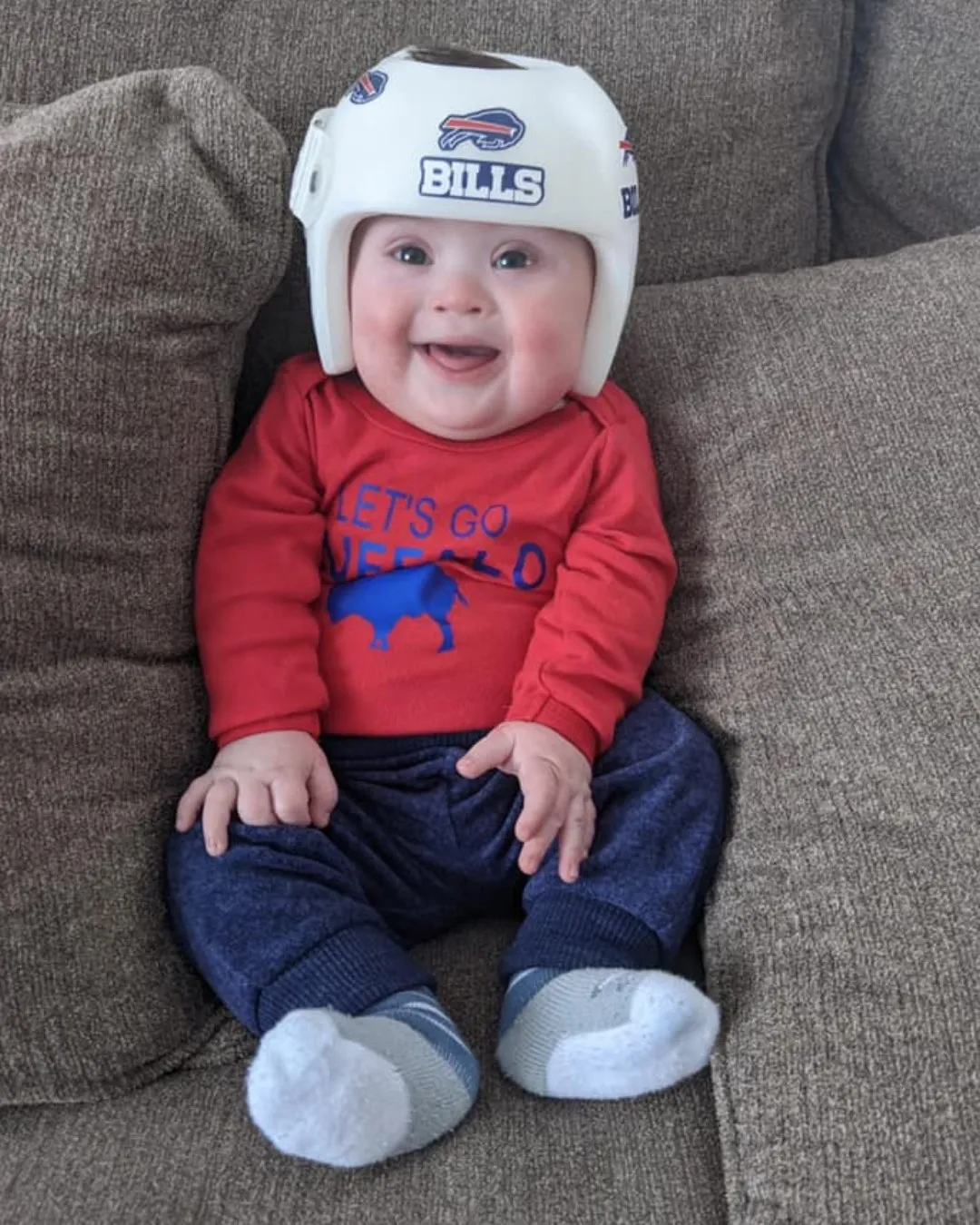
Cam will grow up knowing he survived something extraordinary, even if he cannot remember it himself. His parents will always remember. They will remember the fear. The machines. The waiting. And the moment they finally took him home.
They will also remember the hope.
Because Cam’s story did not end in the NICU.
It continued.
And today, it looks like a five-year-old walking into kindergarten, carrying with him the unseen strength of a child who once needed the world to help him breathe—and now runs forward, full of life.