When David’s parents first learned they were expecting, they were filled with excitement, hope, and the familiar anticipation every parent feels. Questions about whether it would be a boy or a girl were soon overshadowed by the universal hope: that their child would be healthy. Yet, as life sometimes proves unpredictable, David’s arrival brought a reality no parent could have imagined.
From the earliest moments, it became clear that David’s journey would not follow the path of typical childhood milestones. After a series of genetic tests, the family received a devastating diagnosis: David carries a mutation in the AGTPBP1 gene, which causes neurodegeneration with cerebellar atrophy. This rare condition progressively damages nerve cells, disrupting the nervous system and leading to significant physical, motor, and cognitive impairments. For David, this meant his muscles, coordination, and even his ability to interact with the world were compromised from an early age.
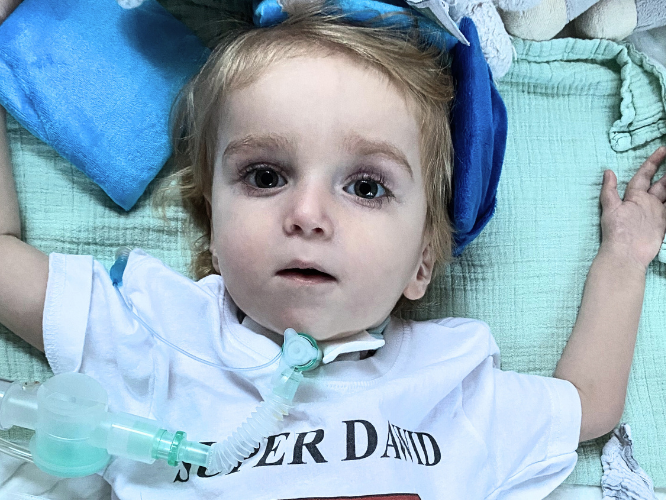
Neurodegenerative diseases are among the primary causes of irreversible brain dysfunction. Over time, the nerve tissue in David’s brain continues to atrophy, leading to both cortical and cerebellar deterioration. Cortical atrophy affects cognitive abilities and can cause motor and sensory deficits, while cerebellar atrophy undermines coordination, balance, and the fundamental ability to perform basic movements. For David, this translates into a life in which independence is limited and every day is a series of challenges — from holding his head upright to sitting, walking, or performing any action many children take for granted.
Currently, David is fully dependent on others for his care. He cannot feed himself and relies on a PEG tube to receive nutrition safely. Respiratory support is continuous; he has undergone a tracheotomy and remains on a ventilator 24 hours a day. Simple acts of daily life, for David’s parents, are intertwined with vigilant monitoring, medical interventions, and the ever-present fear of complications. His care is intensive, demanding, and constant — a second home has become the hospital’s Intensive Care Unit, where family and medical staff work tirelessly to sustain his health and comfort.
David also suffers from laryngeal congestion, reflux, and neurological pain. Each symptom adds layers of complexity to his care, necessitating specialized equipment such as ventilators, positioning aids, and rehabilitation tools to maximize any possible mobility and comfort. Despite these obstacles, David’s family refuses to give up. They have fought relentlessly to provide him with every resource that could improve his quality of life. With support from donors and the broader community, they have acquired a special chair, a standing frame, and a wheelchair. These tools have allowed David moments of mobility and participation in daily life — critical for both physical health and emotional well-being.
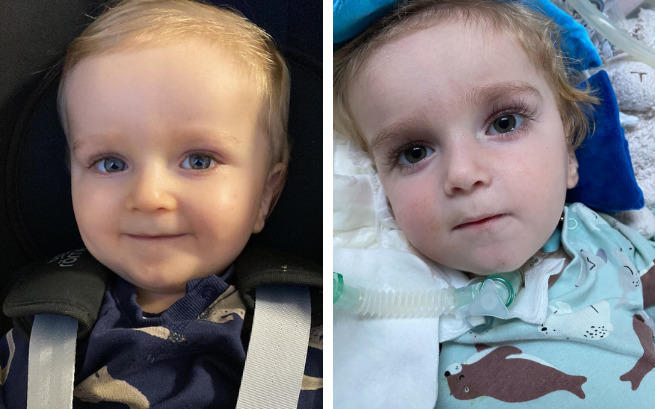
Yet, even with these interventions, the path forward remains long, uncertain, and costly. The progression of David’s condition requires ongoing rehabilitation, specialized therapies, and medical interventions that extend far beyond standard care. Each day brings new expenses, new challenges, and new fears. The family’s request for help is not born of convenience, but of necessity: to sustain the treatments, therapies, and support that give David a chance at the fullest life possible under extraordinary circumstances.
The story of David is a story of resilience, hope, and unyielding love. His parents have shown immense courage, devotion, and strength in the face of adversity. Every day, they navigate a world of monitors, ventilators, medications, and appointments, striving to provide their son with dignity, care, and joy despite the harsh realities of his condition. Their fight is ongoing, as neurodegeneration continues its course, demanding vigilance, compassion, and community support.
David’s journey is also a testament to the power of community and collective care. Donations and support have enabled moments of progress, the purchase of life-enhancing equipment, and opportunities for therapies that would otherwise be impossible. These contributions have brought comfort, hope, and tangible improvements to his daily life — small miracles in a world defined by medical challenges.
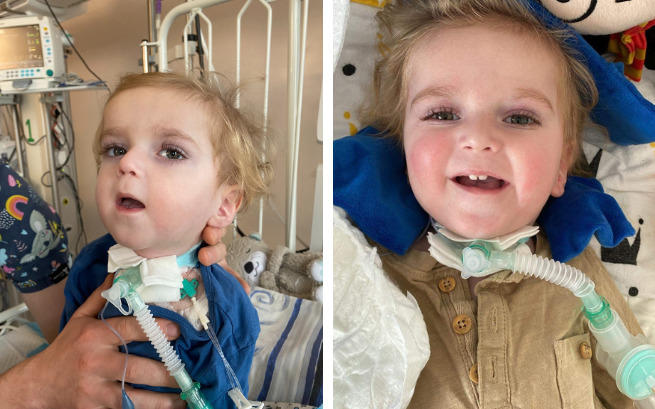
Today, David remains dependent, vulnerable, and in need of constant care. Yet his parents continue to advocate for him, fight for his needs, and seek the resources that can give him the best quality of life possible. Every hour, every day, is a struggle against the odds, but it is also a story of love, perseverance, and unwavering hope.
David Lejman is more than a patient; he is a reminder that life’s most fragile beginnings can reveal profound strength. His family’s journey illustrates the dedication, sacrifice, and courage required to care for a child with a rare and devastating illness — and how, even in the face of immense challenges, hope and community support can make all the difference.