Elephants Were Never Meant to Carry Humans — The Hidden Cruelty Behind Elephant Rides
Elephants were never designed to carry people on their backs. Despite their massive size and strength, their bodies tell a very different story — one that reveals a quiet, ongoing cruelty hidden behind the smiling photos of elephant rides.

An elephant’s spine is naturally arched upward, built to support its own weight, not the concentrated pressure of humans sitting on top. When heavy wooden saddles and metal frames are strapped onto their backs for hours each day, that weight presses directly onto fragile vertebrae. Over time, this causes chronic back pain, spinal injuries, and soft tissue damage that may never fully heal.
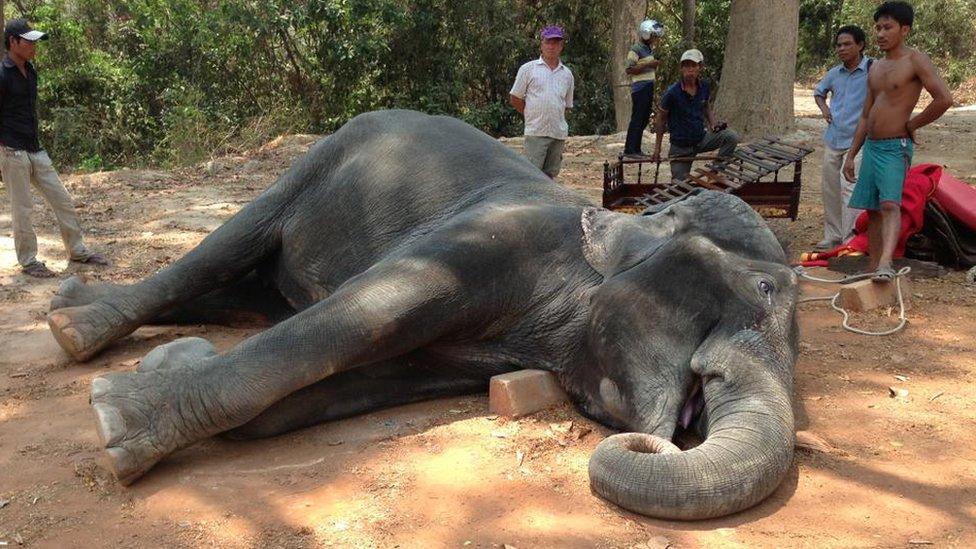
Unlike horses, elephants have no natural saddle-bearing structure. Every ride adds stress. Every step on hard, unnatural surfaces like concrete or packed roads worsens the damage. The pain is invisible to tourists — but constant to the animal.
The suffering doesn’t stop there.
Many elephants used in tourism are trained through fear. Iron hooks, known as bullhooks, are driven into sensitive areas behind the ears, on the face, or along the legs. Whips are used to enforce obedience. The goal is submission — breaking the elephant’s will so it will tolerate humans climbing onto its back.
These elephants often live chained for long hours when not working. Tight iron shackles rub against their legs, causing open wounds and infections. Their feet, meant to roam miles each day across soft forest ground, crack and bleed from standing on hard surfaces. Foot injuries are one of the leading causes of premature death in captive elephants.
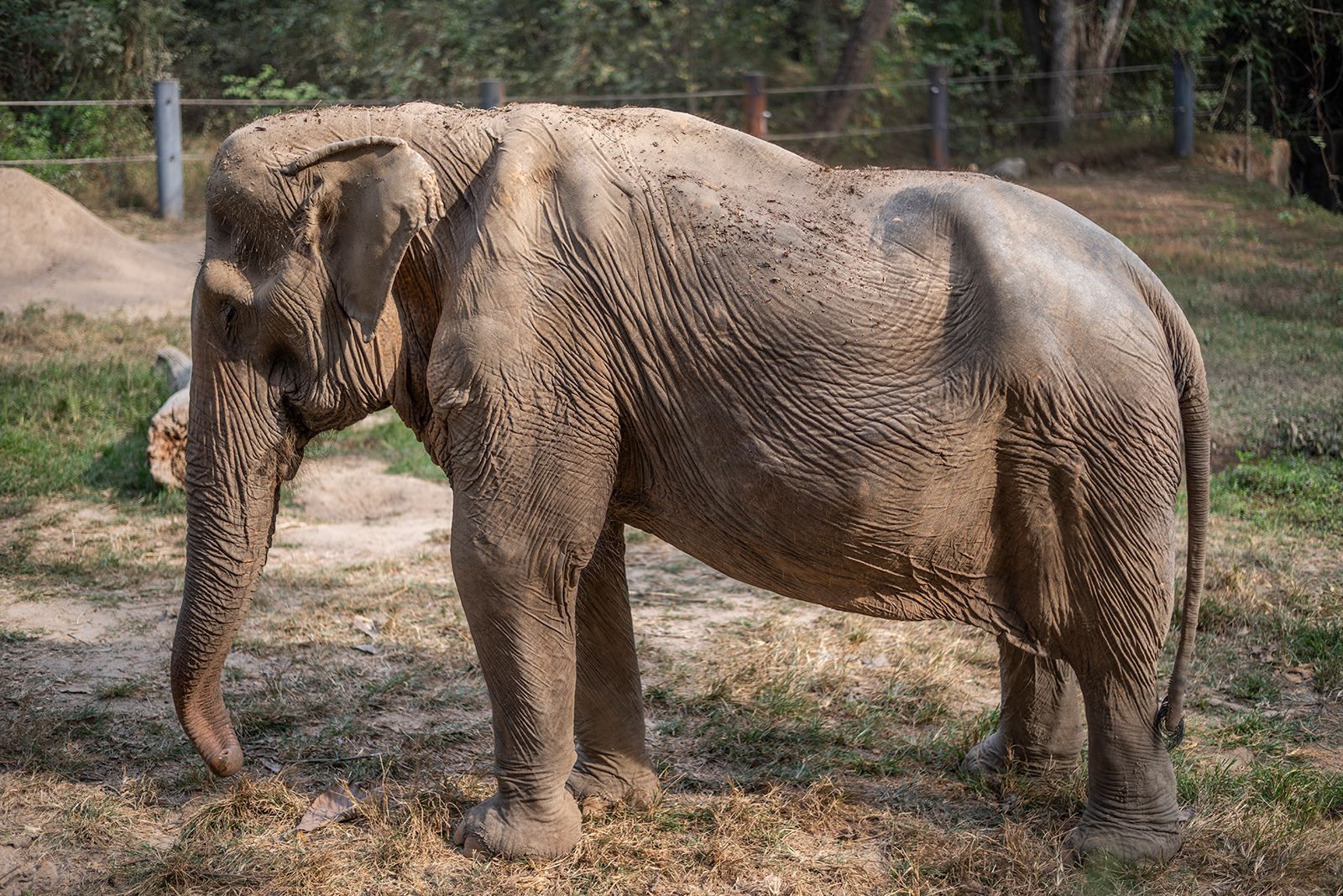
Look into their eyes and you’ll often see it — dull, exhausted, and empty. Elephants are among the most emotionally intelligent animals on Earth. They form deep family bonds, grieve their dead, and show empathy toward one another. Yet many live isolated lives, separated from their herds, deprived of natural movement, and trapped in a cycle of pain.
The truth is uncomfortable, but necessary.
Elephant rides are not harmless traditions. They are a modern industry built on misinformation — the idea that size equals strength, and strength equals consent. But elephants don’t choose this life. They endure it.
As awareness grows, more travelers are choosing ethical sanctuaries that allow elephants to live freely — without rides, chains, or hooks. Supporting these alternatives sends a clear message: admiration should never come at the cost of suffering.
Elephants deserve respect — not a saddle.