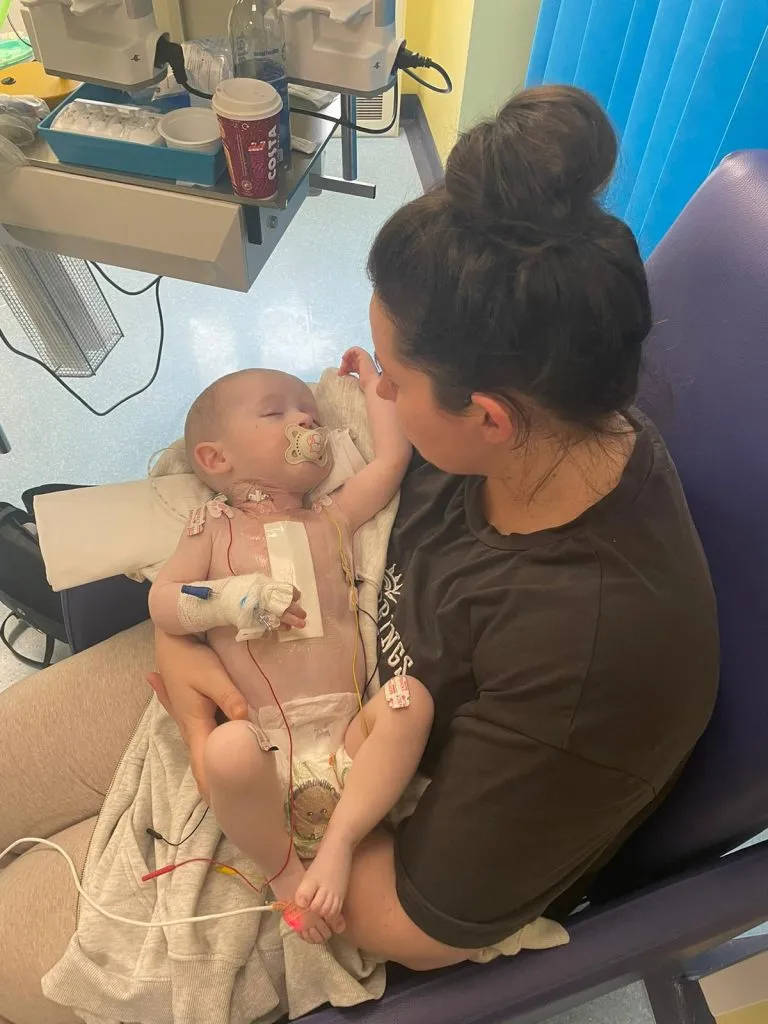
When we first learned we were expecting our baby, the world seemed to open before us with endless promise. Like so many first-time parents, we dreamed of tiny fingers, first smiles, and a smooth, uncomplicated pregnancy…

Each scan brought reassurance. Each appointment confirmed what we longed to hear: everything looked normal. There were no warning signs, no whispered concerns—only the quiet miracle of a life growing exactly as it should.
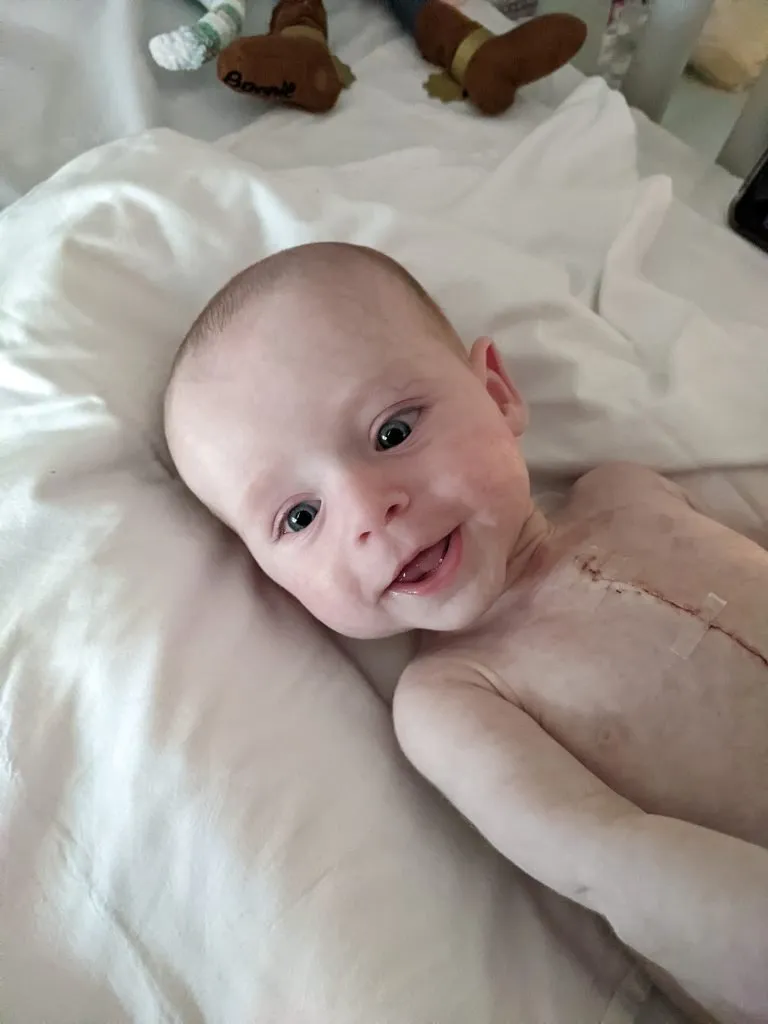
We had no idea how quickly certainty could turn into fear.
A Dramatic Beginning
Jack arrived in May 2023, twelve days overdue, after what began as a hopeful labor and ended in an emergency cesarean section. The umbilical cord had wrapped tightly around his neck, forcing doctors to act quickly. The room shifted from calm anticipation to urgent precision in seconds.
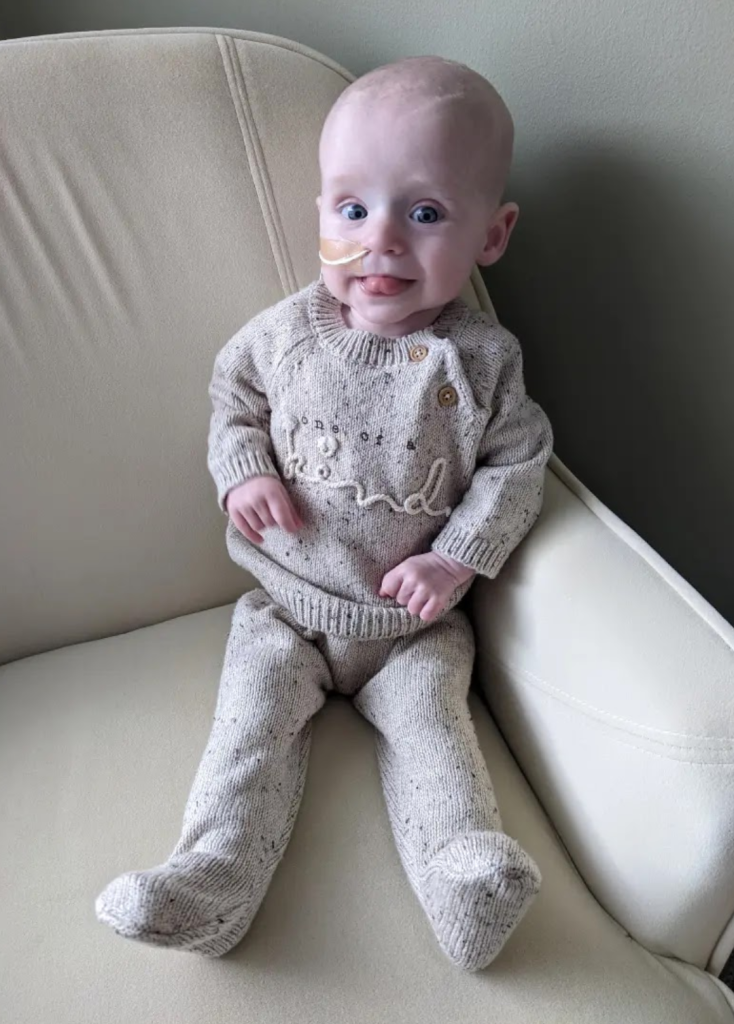
When he finally cried, relief flooded through us. He was here. He was alive. We believed the worst was behind us.
But that intense beginning would soon reveal itself as a prelude to a much longer and more difficult journey.
The First Signs That Something Was Wrong
Bringing Jack home should have been pure joy. Instead, within just three days, our instincts began whispering that something wasn’t right. He struggled to feed. He seemed unusually sleepy, lethargic in a way that went beyond newborn exhaustion. Then came the vomiting.
Fear replaced excitement in an instant.
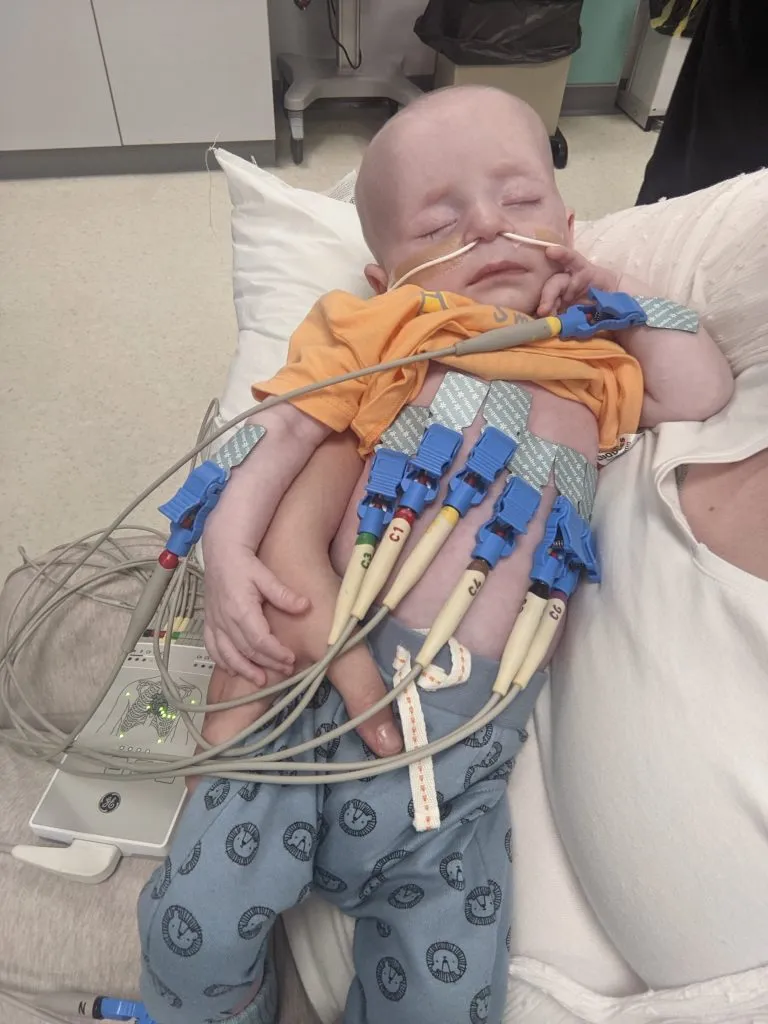
We rushed him to A&E, hearts pounding, clinging to the hope that this was simply new-parent anxiety. Instead, Jack was admitted immediately to the pediatric ward. The hours that followed blurred into a haze of fluorescent lights, hushed conversations, and the constant hum of medical equipment.
A Newborn Under Siege
Jack endured more medical procedures in his first week of life than most people experience in a lifetime. Lumbar punctures. Blood tests. Phototherapy for jaundice. An NG tube. Cannulas. Chest X-rays.
Each procedure felt like a small heartbreak. Watching your newborn cry in pain while you stand helplessly beside them is a kind of agony no parent is ever prepared for.
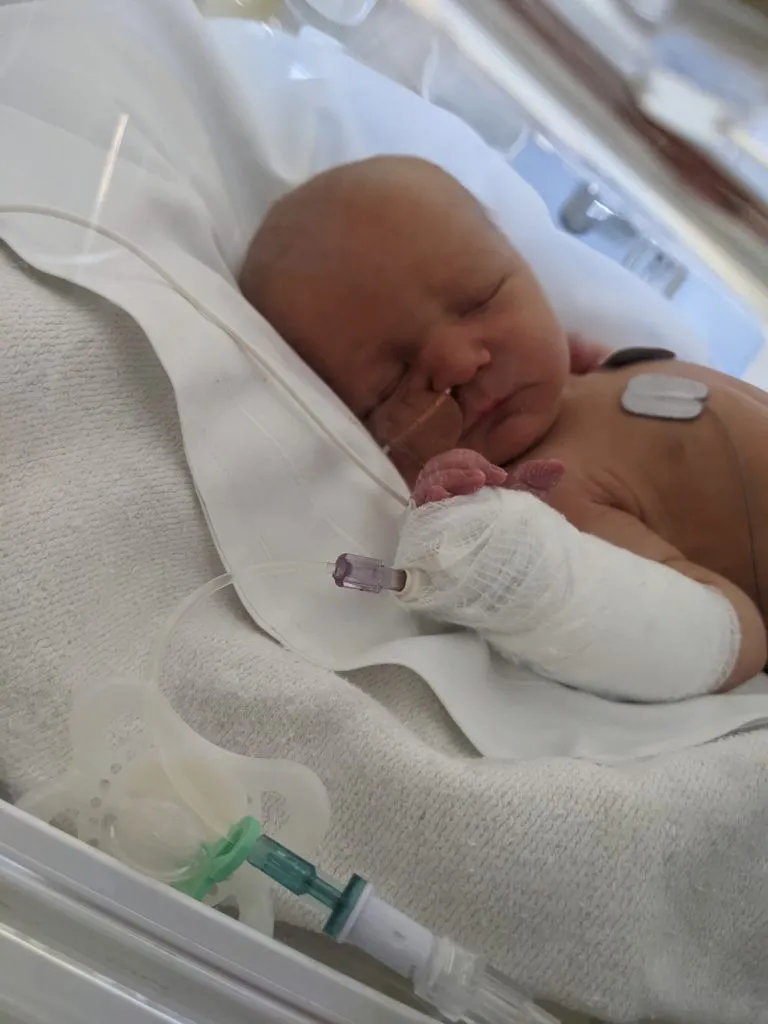
Doctors suspected a twisted bowel and transferred Jack by blue light to a larger hospital. The urgency terrified us. Every mile felt like an eternity.
It was there, amid the chaos, that an echocardiogram offered the first clue.
“We see a small hole in his heart,” the doctor said gently.
No one mentioned the term ventricular septal defect. No one explained what that might truly mean. We were told it could close on its own. We were reassured. A follow-up was scheduled in eight weeks.
And yet, no one could explain why Jack had been so critically unwell.
Discharged—but Not at Peace
After a week, Jack stabilized enough to come home. Relief washed over us, but it was tinged with unease. Feeding remained a struggle. Weight gain was slow, almost nonexistent. He tired quickly, often falling asleep mid-feed, his tiny chest rising and falling too fast.
Our health visitor began weekly weigh-ins. Each appointment felt heavier than the last as Jack slipped further from expected growth patterns.
Appointments for cardiac follow-ups were slow. Weeks passed. GP visits multiplied.
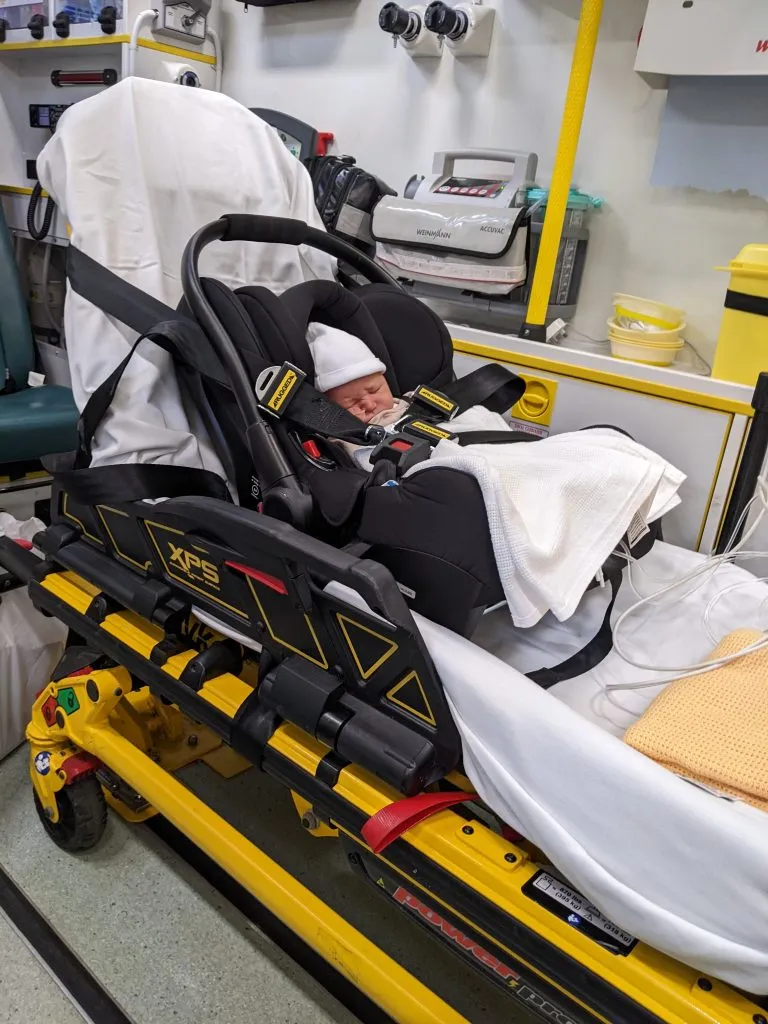
Some doctors told us slow weight gain was normal.
Others suggested lactose intolerance.
One insisted the heart murmur was no longer audible, claiming the hole must have closed.
But our baby was not thriving.
By the fourth GP visit, Jack had fallen completely off the centile chart.
And something inside us snapped.
When a Parent’s Voice Finally Breaks Through
We insisted on action. We refused to be reassured again.